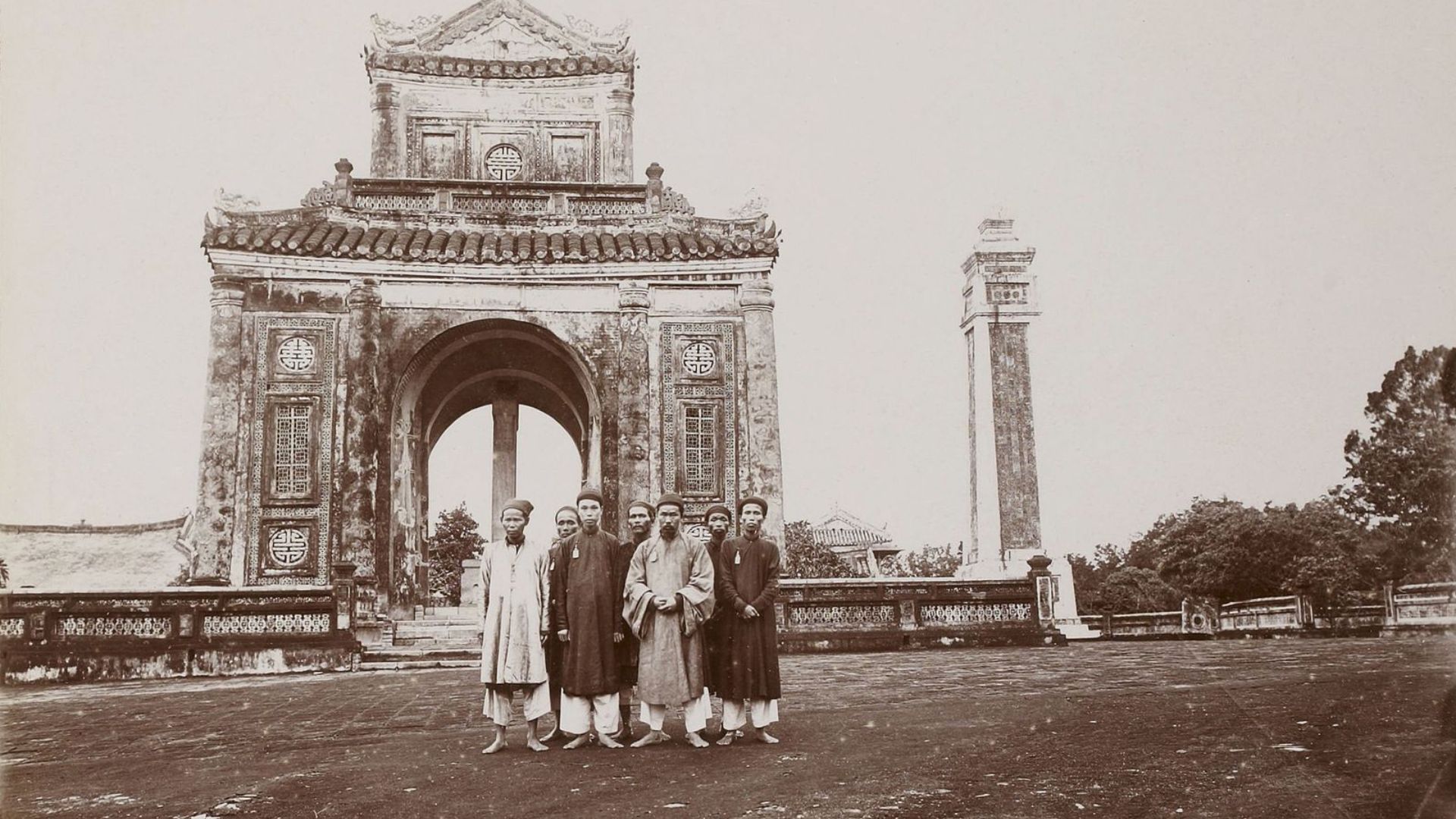
Hue Citadel: A Journey Back to the Golden Memories of the Nguyen Dynasty

Central

Thua Thien Hue

Hue Imperial City

Sovaba.travel

Updated at: 24/09/2026

1. Overview of the Hue Citadel

The Hue Citadel is considered the heart of the Nguyen Dynasty, serving as the center of political, administrative, and cultural power throughout the dynasty's 143-year existence. Built in the French Vauban style combined with Eastern feng shui principles, the Citadel consists of three nested wall enclosures: the Citadel (outermost wall), the Imperial City (middle wall), and the Forbidden Purple City (innermost wall). This was where kings such as Gia Long and Minh Mang held court, issued policies, and organized important ceremonies.

As the capital of a unified kingdom, the Hue Citadel was not only a symbol of power but also reflected the strength of the Nguyen Dynasty. With over 100 architectural structures, from the Thai Hoa Palace – where court sessions took place, to separate palaces for the royal family, this place witnessed the prosperity of a dynasty that expanded Vietnam's territory to its largest extent in history. According to historical records, the Hue Citadel was recognized by UNESCO as a World Cultural Heritage site in 1993 due to its outstanding architectural and historical value. This makes it an ideal destination for those passionate about Vietnamese history.
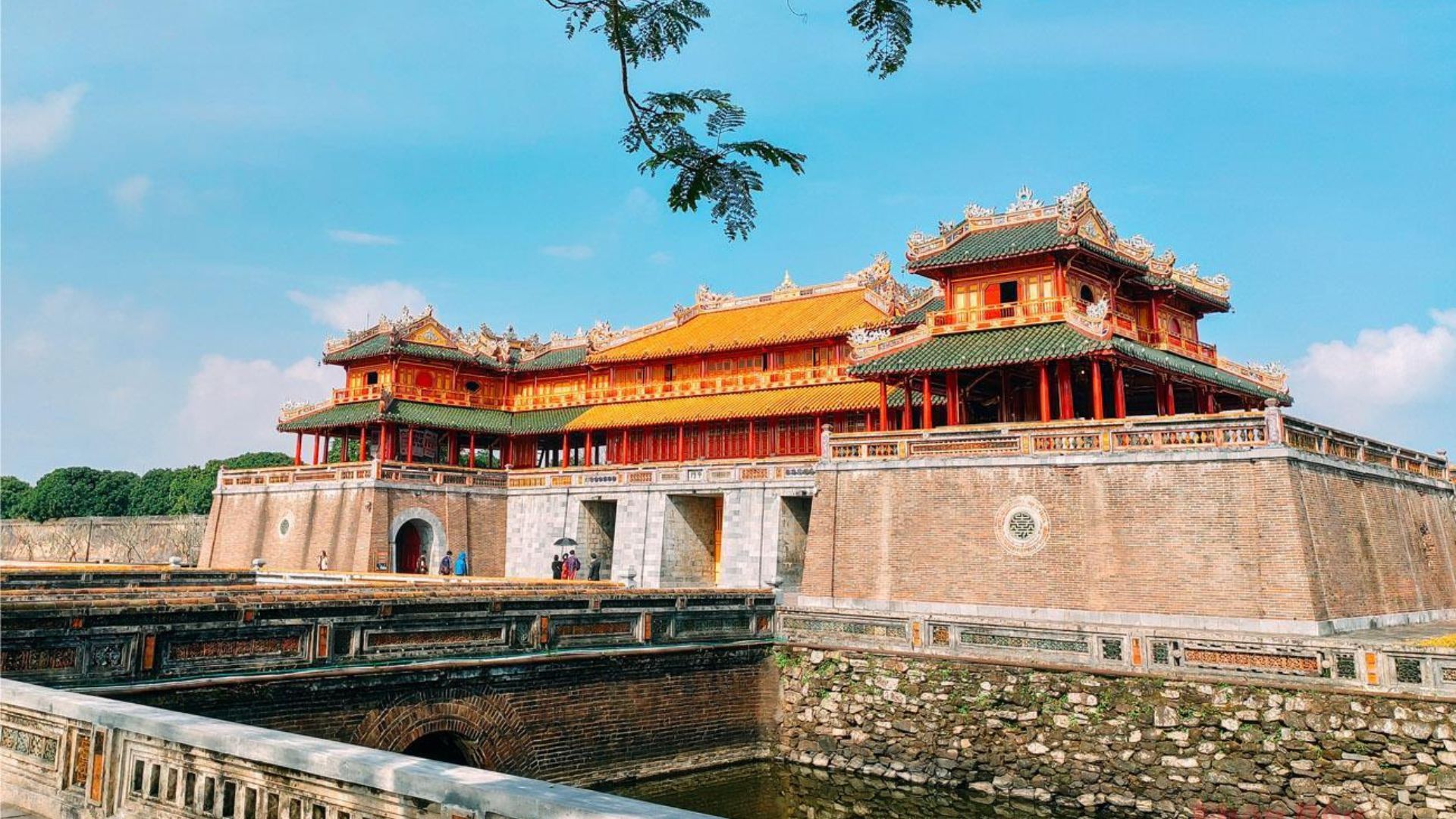
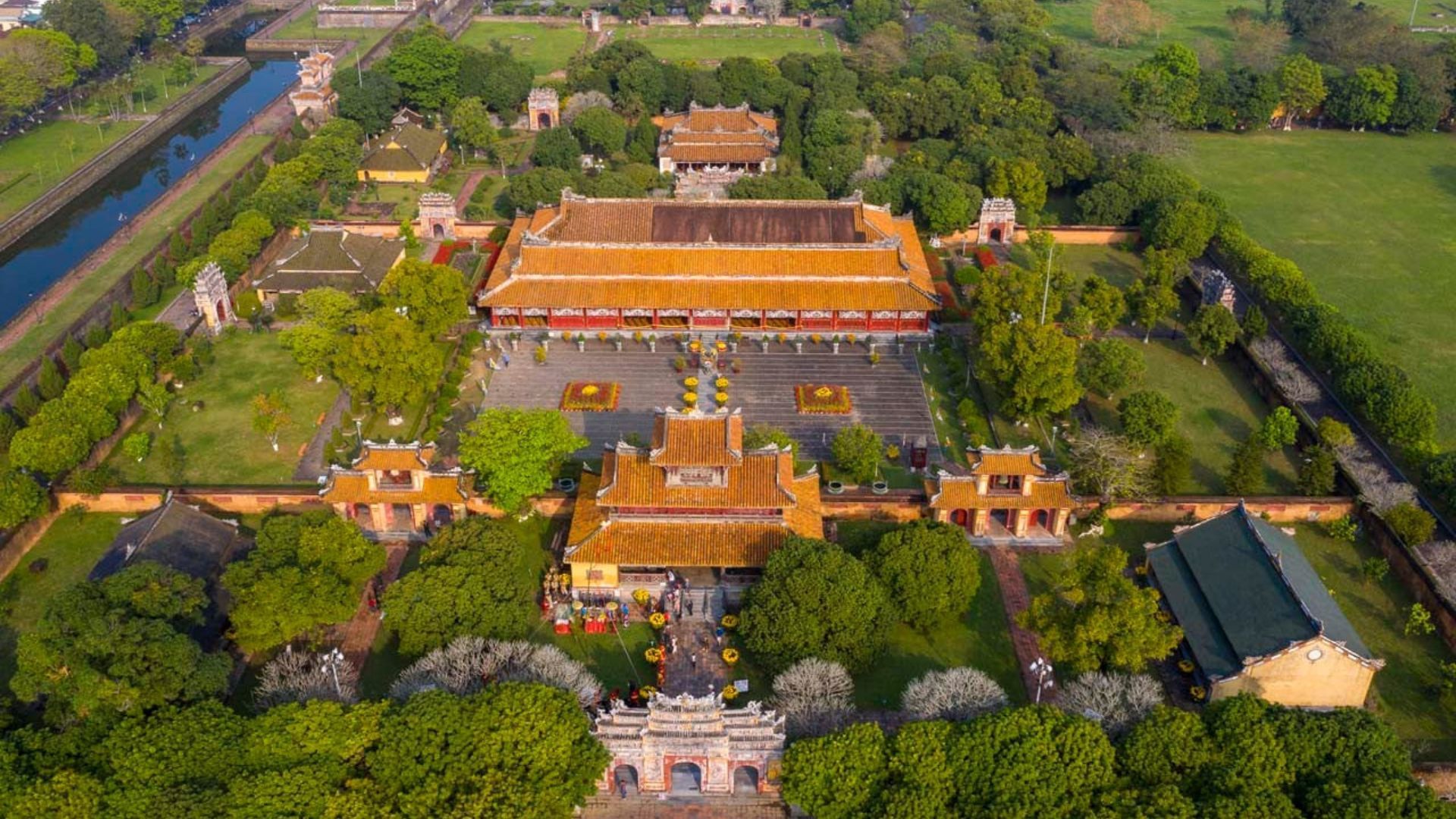
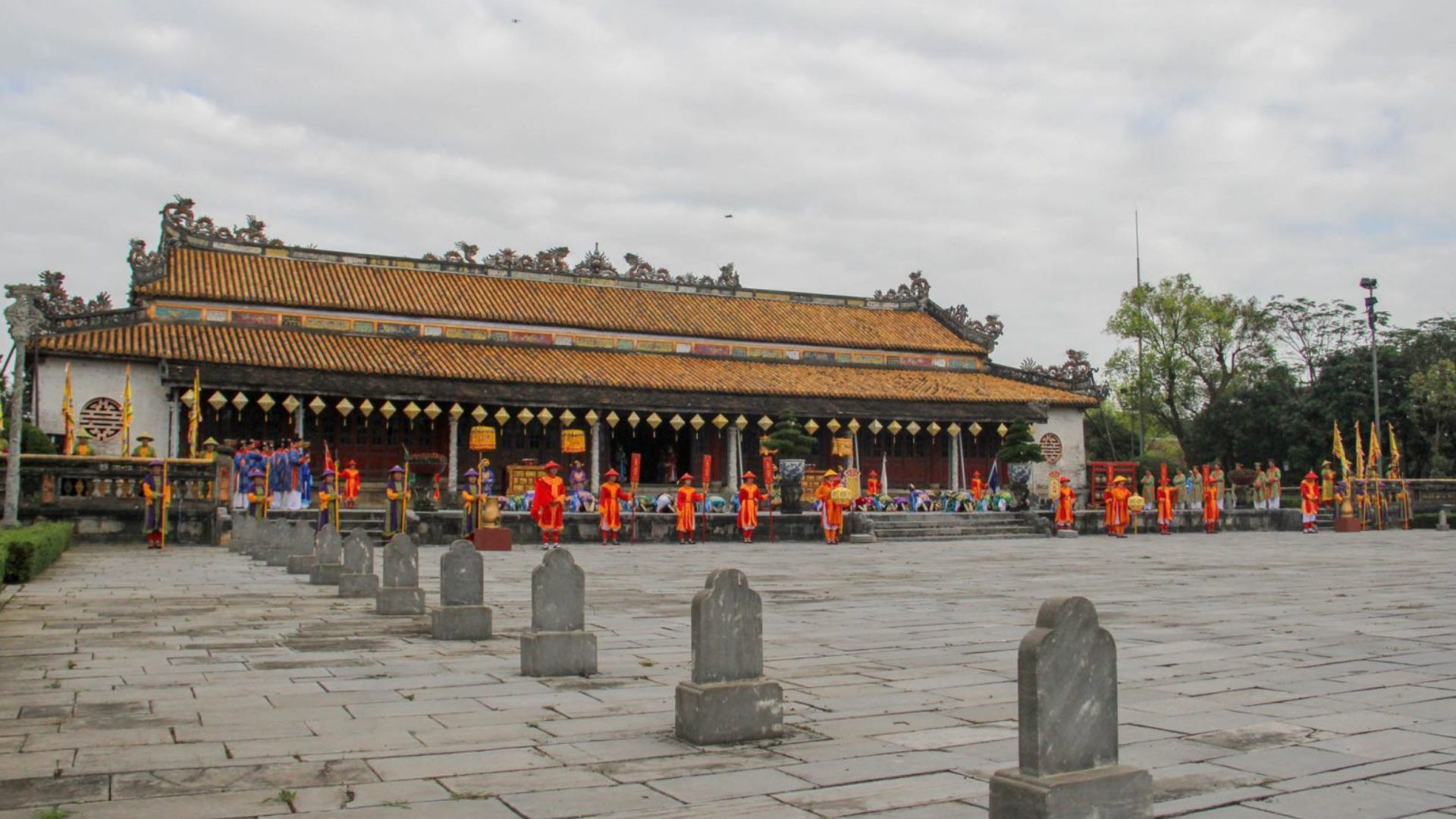
The Hue Citadel enduring through time.

2. Historical background of the establishment of the Hue Citadel in the early 19th century

In the early 19th century, after defeating the Tay Son dynasty and completing the unification of the country, King Gia Long (Nguyen Phuc Anh) decided to choose Phu Xuan – present-day Hue – as the capital of the Nguyen Dynasty. This decision was established in 1802 when he ascended the throne, and in 1805, the construction of the Citadel officially began. The choice of Hue instead of Thang Long or Gia Dinh was not accidental. Phu Xuan had long been the power base of the Nguyen Lords, helping the new dynasty consolidate its political position in the Central and Southern regions, while avoiding complex reactions from northern scholars and citizens who were still attached to the Le Dynasty.

The construction of the Citadel took place under extremely difficult circumstances. The country had just emerged from prolonged warfare, manpower and physical resources were limited, while Hue was located in an area frequently affected by natural disasters, especially floods. Throughout the period from the early 19th century to the end of the century, this region experienced dozens of major floods, causing severe damage to both the population and construction projects. Despite these obstacles, the Nguyen court mobilized tens of thousands of laborers from Quang Binh to Quy Nhon, combining Western military engineering techniques through the participation of French engineers. After nearly three decades of construction interrupted by natural disasters, the Hue Citadel was finally completed in 1832 under the reign of King Minh Mang. 

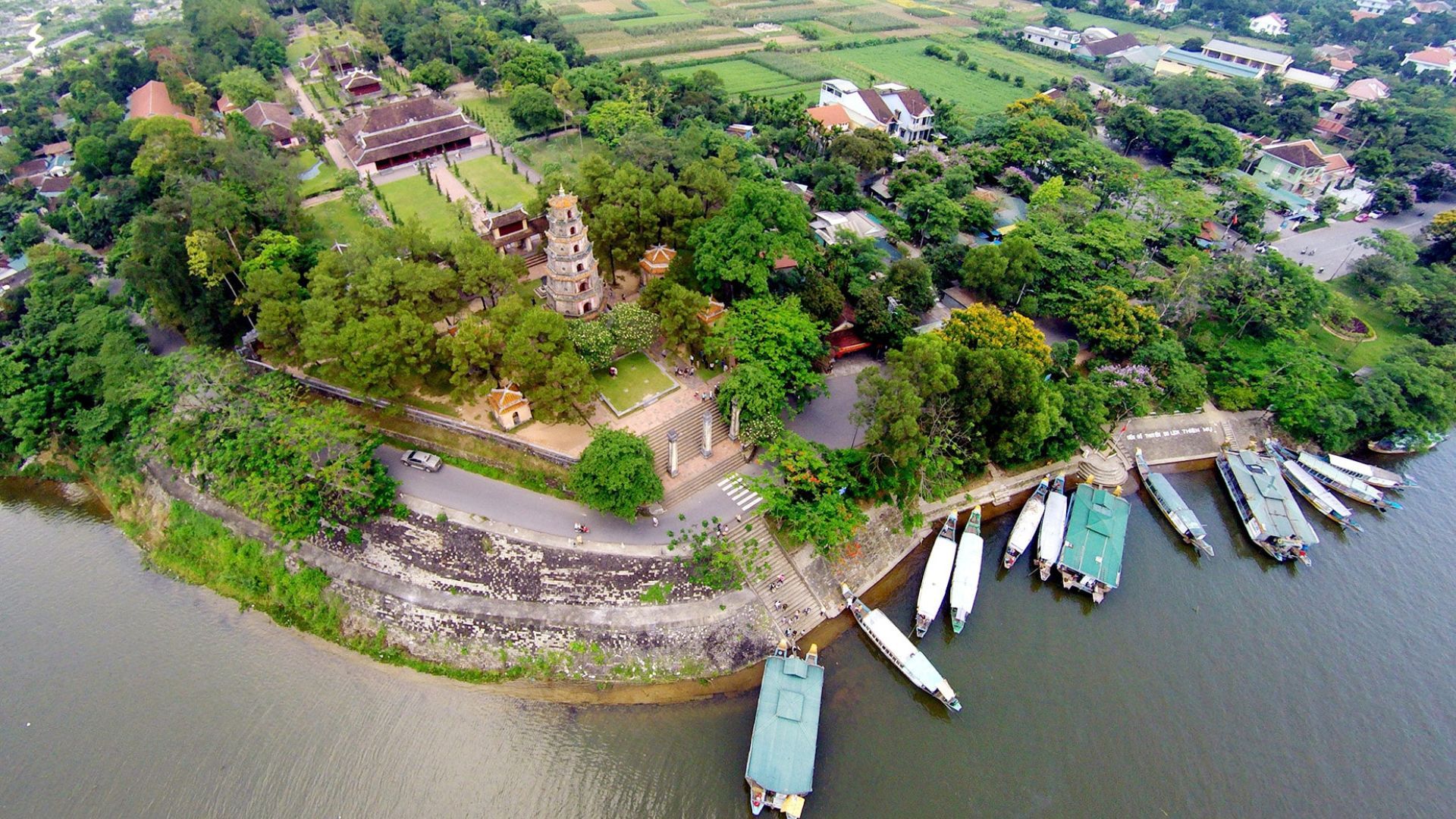
Masterpiece architecture inside the Hue Citadel.

3. The role of the Hue Citadel during the golden era of the Nguyen Dynasty

During the golden era under Kings Gia Long, Minh Mang, and Thieu Tri, the Hue Citadel played a central role in governing the nation. It was the place where administrative reform policies were issued, territory was expanded southwards and into Cambodia, and culture and education were promoted. The Secret Institute (Vien Co Mat) – the high-level advisory body to the king – was located here, alongside the Royal Archives (Tang Thu Lau), which stored over 12,000 volumes of land registers and precious documents.

The Citadel was also a cultural symbol, featuring rituals for worshiping heaven and earth at the Xa Tac Altar (built in 1806) and structures such as the Nine Holy Cannons – nine cannons cast from Tay Son trophies, symbolizing military power. During this period, the Nguyen Dynasty reached its peak with a vast territory, stable economy, and strong diplomatic influence. The Hue Citadel was not only the residence of the royal family, but also a hub attracting scholars and artisans, contributing to the creation of Hue's cultural heritage today.

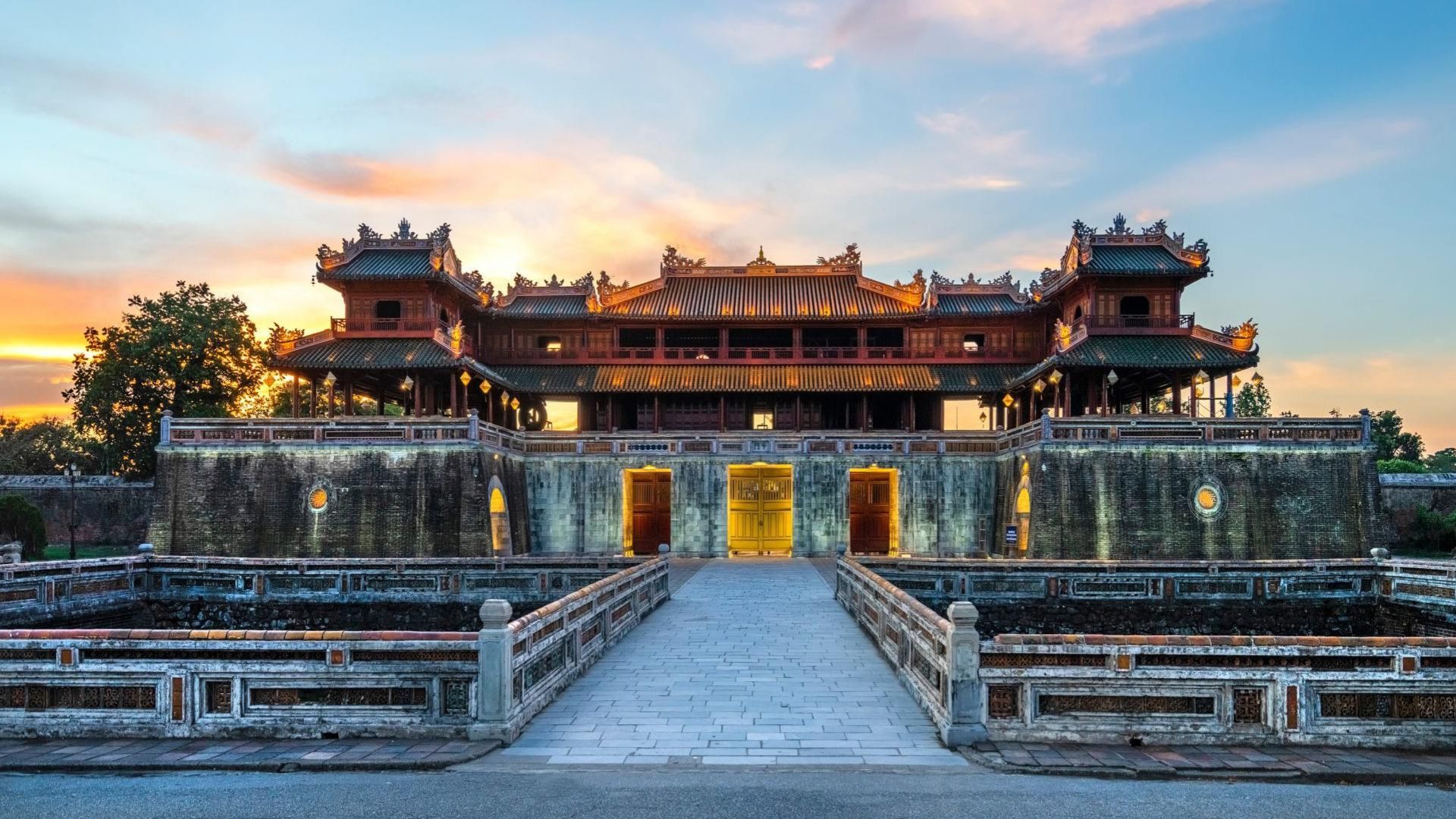
Discovering the historical values of the Hue Citadel.

4. The fortification and defense system of the Hue Citadel

The defense system of the Hue Citadel was intricately designed, inspired by French Vauban fortifications, with a perimeter of nearly 10km, a height of 6.6m, and a thickness of 21m. The outer wall is the Citadel surrounded by a moat (Ho Thanh Canal, over 7km long), connected to the Perfume River for both defense and transportation. There are 10 main gates, such as Chinh Nam (Nha Do), Quang Duc, and two East-West water gates.

Inside, 24 bastions are evenly arranged, with 5 bastions on each side of the wall, along with ramparts and ammunition depots. Feng shui elements were heavily emphasized: Ngu Binh Mountain serves as the front screen, Hen Islet and Da Vien Islet act as the Azure Dragon and White Tiger, and the Perfume River serves as the vital energy-accumulating bright hall. This system helped the Citadel withstand many attacks, although it ultimately fell to the French colonialists in 1885 due to unfavorable geographical factors.

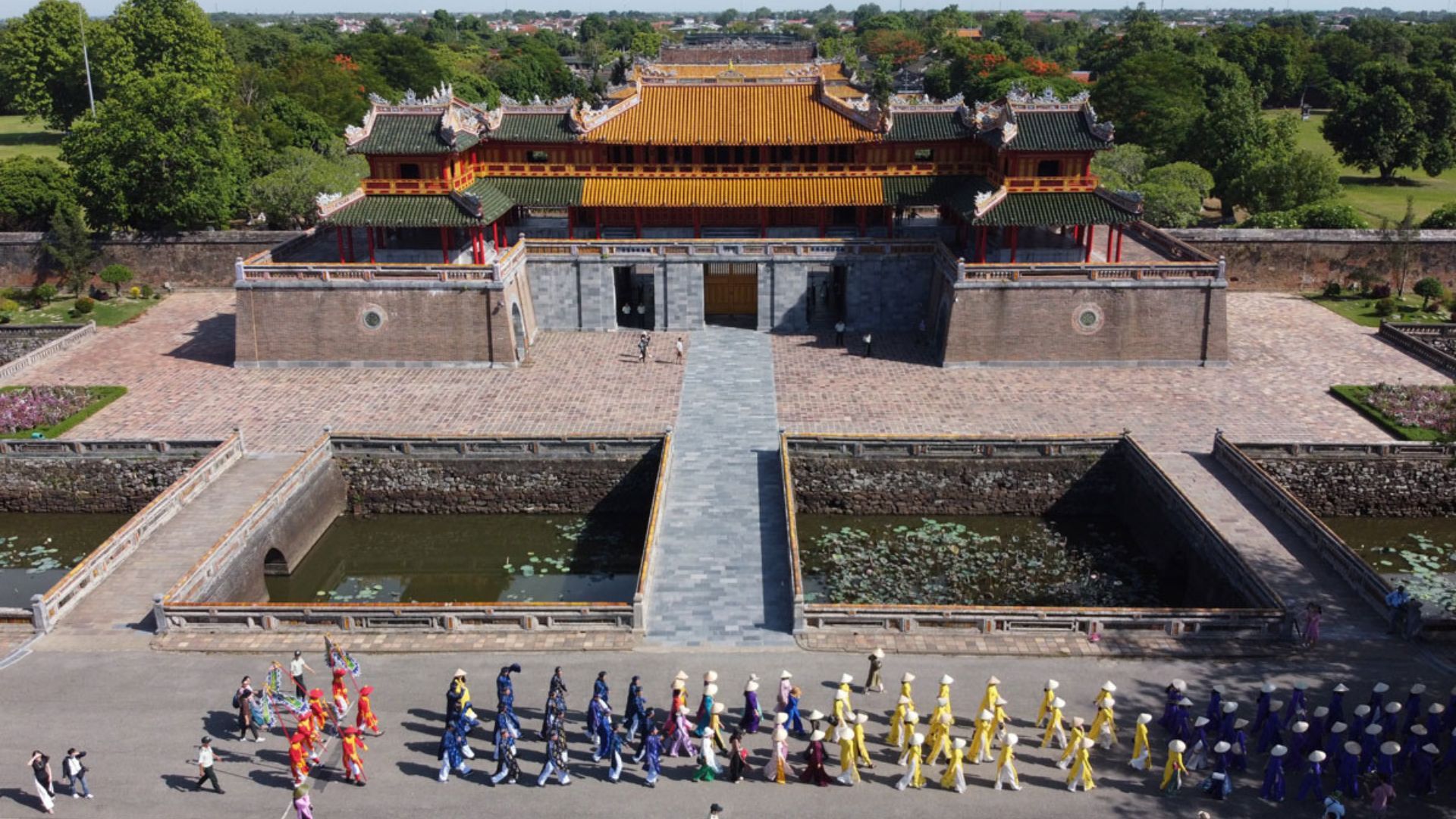
Art and feng shui in the Hue Citadel.

5. Court life in the Hue Citadel during its prosperous era

Royal life during the prosperous era of the Nguyen Dynasty was a combination of strict rituals and opulence. Within the Forbidden Purple City – the private area of the royal family – the king and royal concubines resided in palaces such as Can Thanh and Kien Trung Palace. Long An Palace (built in 1845 under Thieu Tri) was where the king rested, read books, and composed poetry. Tinh Tam Lake, renovated in 1838, was a place for recreation featuring magnificent natural landscapes.

The royal court had a complex inner court system, served by hundreds of court ladies and eunuchs. Court sessions at Thai Hoa Palace took place with solemnity, with mandarins dressed in royal attire. Hue royal cuisine is famous for delicate dishes such as peacock spring rolls and phoenix patties, which are still preserved in local gastronomy today. This lifestyle reflected prosperity, but also exposed the royal family's isolation from the general populace.

Priceless cultural heritage within the Hue Citadel.

6. Important historical milestones associated with the Hue Citadel

The Hue Citadel is associated with many key historical events of the Nguyen Dynasty. Below are some prominent milestones:

  • 1802: King Gia Long ascended the throne, choosing Hue as the capital, marking the beginning of the Nguyen Dynasty.
  • 1803-1805: Surveying and commencement of construction of the Forbidden Purple City, followed by the Citadel.
  • 1832: Completion of the Citadel under Minh Mang, marking an architectural peak.
  • 1885: The capital fell to French colonialists, leading to the decline of the dynasty.
  • 1945: King Bao Dai abdicated, ending the Nguyen Dynasty at the Citadel.
  • 1968: Heavy damage sustained during the Tet Offensive, yet its heritage value remains preserved.

These milestones are not only history, but also lessons on the rise and fall of a dynasty.

The Hue Citadel in the hearts of the Vietnamese people.

7. The Hue Citadel today

Today, the Hue Citadel is an important part of the Complex of Hue Monuments, recognized by UNESCO in 1993 under code 678. After the war, many structures were damaged, but thanks to conservation efforts, over 4,000 billion VND has been invested to relocate residents from the heritage zone between 2019 and 2025. Visitors can explore sites such as Ngo Mon Gate, Thai Hoa Palace, and the Hue Museum of Royal Antiquities, which exhibits precious artifacts.

The Hue Citadel is not only a historical monument but also a cultural tourism destination, featuring activities such as performances of court music. 

The historical story of the Hue Citadel.

The Hue Citadel is not merely an ancient architectural complex, but also a place that fully preserves the memories of a golden era of the Nguyen Dynasty – a historical period that left a profound mark on national culture and identity. Every structure and spatial axis within the Imperial City reflects the statecraft mindset, court rituals, and royal life of a dynasty spanning over a century. Taking time to walk slowly through the Citadel is a way to better understand the past, the rise and fall of history, and the values that remain preserved to this day.

If you wish to explore the Hue Imperial City in a comprehensive, in-depth manner without missing important historical stories, an all-inclusive Hue Imperial City tour with Sovaba Travel is a suitable choice. The itinerary is thoughtfully designed with a historian guide, entry ticket support, and transportation, making your trip seamless yet richly experiential.

Loading......

Featured destinations