Nho Quan Straw Wine: Discovering the Distinctive Flavor of Ninh Binh's Specialty Wine

Northern

Ninh Binh

Sovaba.travel

Updated at: 21/10/2026

1. Introduction to Nho Quan Straw Wine

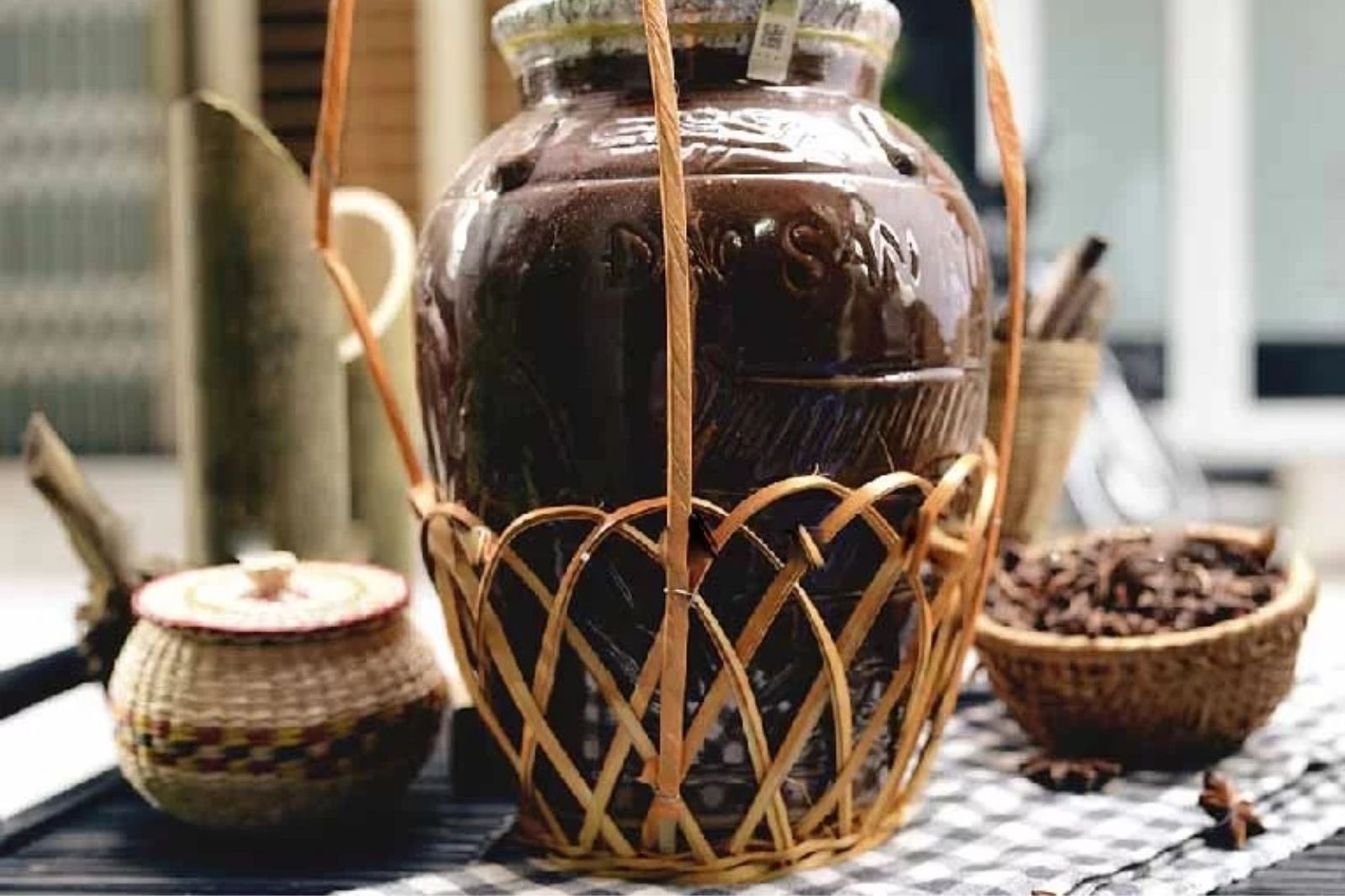
Deeply rooted in the cultural life of the Muong people in Nho Quan, Ninh Binh, straw wine is not merely a traditional beverage, but also a distinctive feature of communal customs. Unlike spirits distilled with heat, straw wine is created through the natural fermentation of glutinous rice or other starch-rich grains combined with traditional herbal yeast. Once mixed, the ingredients are aged in ceramic or earthenware jars, allowing time to gently develop its unique flavor. This exact production method creates the defining difference between Nho Quan straw wine and many other specialty spirits.

On the culinary map of Ninh Binh, alongside Kim Son wine and Lai Thanh wine, Nho Quan straw wine makes its own mark thanks to its traditional brewing technique and unique drinking ritual. Its flavor combines the delicate sweetness of glutinous rice, a subtle kick from the ferment, and a rustic aroma derived from the fermented ingredients. When aged for a sufficient period, the wine achieves a harmonious, rich body and leaves a pleasant sweet aftertaste. However, the final flavor still depends on each family's proprietary yeast recipe, ingredient ratios, and aging conditions.

Today, as Ninh Binh tourism flourishes, enjoying Nho Quan straw wine has become an enriching cultural experience for visitors seeking the authentic soul of the region, alongside excursions to Trang An or Cuc Phuong National Park.

A quintessential hallmark of the ancient capital's culinary heritage

Photo: A quintessential hallmark of the ancient capital's culinary heritage

2. What Is Special About the Ingredients of Nho Quan Straw Wine?

The distinctive flavor of Nho Quan straw wine comes from a harmonious blend of starch-rich grains, traditional yeast, and brewing expertise handed down through generations of the Muong community. Rather than relying on costly components, this drink charms with its creative use of natural local ingredients, in which glutinous rice and forest leaf yeast play the central role in defining the wine's aroma and final taste.

  • Glutinous rice: Glutinous rice is the primary staple in making straw wine. Depending on each household's recipe, brewers may choose aromatic sticky rice, semi-husked sticky rice, or other starch-rich grains such as corn and cassava. 

  • Wild leaf yeast: This is the signature secret, made from ebony tree bark combined with galangal root, ginger, and fresh guava leaves, all crushed, juiced, mixed with glutinous rice flour, and shaped into small yeast cakes. The yeast must be incubated in rice husks to rise and dried in the sun for about 10 days, creating a natural starter free of artificial chemicals.

  • Other starches: Cassava, paddy rice, or maize may also be utilized, but glutinous rice remains the preferred choice to ensure a rich, full-bodied taste.

This combination yields an authentic mountain flavor, with the herbal yeast enabling a slow, gentle fermentation that delivers a mild alcohol content and delicate fragrance, setting it distinctly apart from standard distilled liquors.

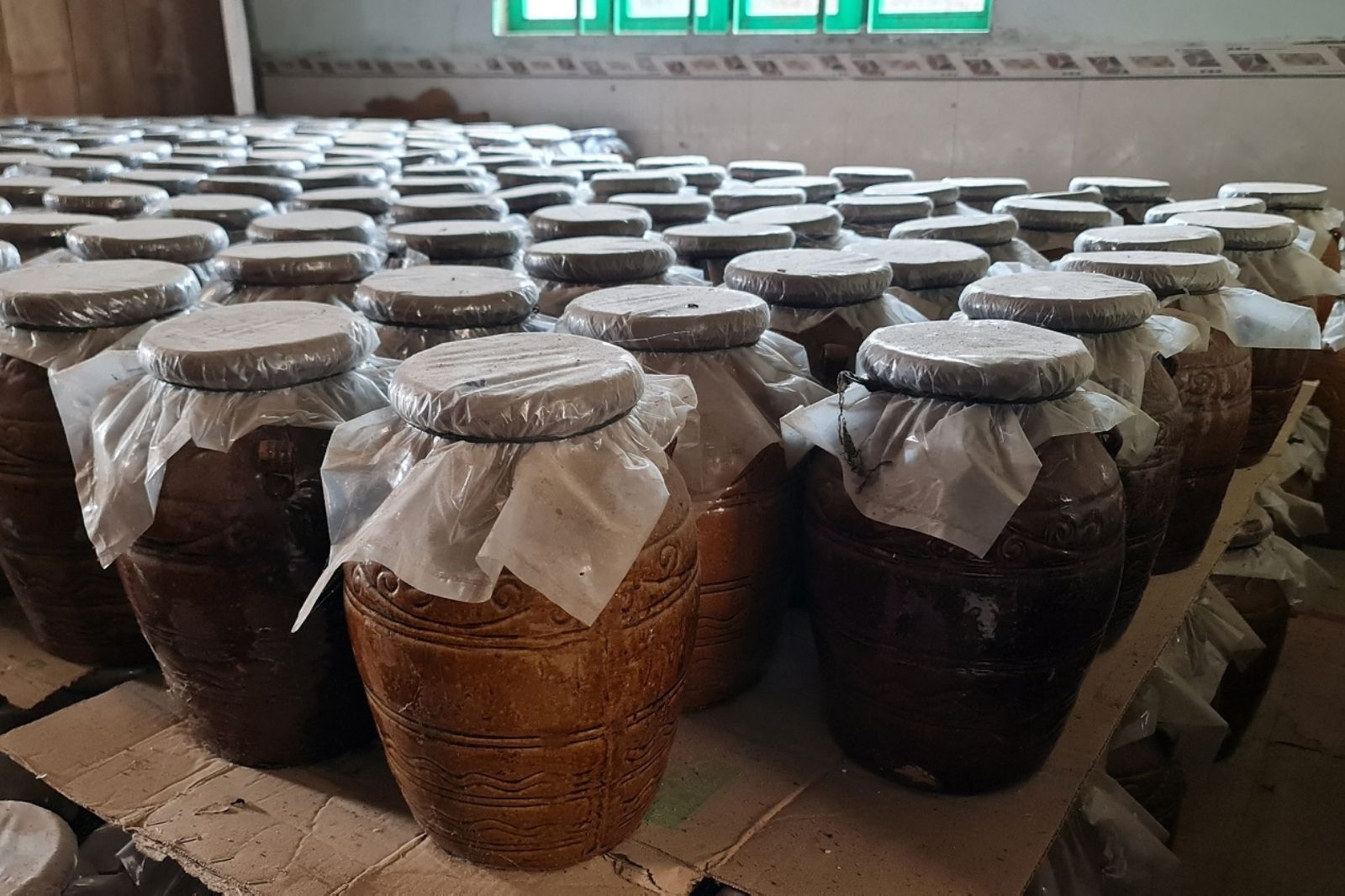
Meticulous fermentation process creating a uniquely warm and spicy flavor

Photo: Meticulous fermentation process creating a uniquely warm and spicy flavor

3. The Traditional Brewing Process of Nho Quan Straw Wine

To produce a jar of straw wine with its characteristic profile, the Muong people in Nho Quan strictly adhere to a preparation process reliant on natural ingredients and traditional wisdom. From grain preparation and yeast blending to aging in ceramic jars, every stage directly influences the aroma, flavor, and overall quality of the wine. Unlike clear rice liquor distilled over heat, straw wine is formed entirely through natural fermentation, demanding great patience and meticulous care.

  • Preparing the ingredients: Husk-cracked glutinous rice is steamed thoroughly and evenly into cooked rice.

  • Crafting the yeast: Finely crush ebony tree bark, galangal root, ginger, and guava leaves, extract the juice, blend with glutinous rice flour, shape into cakes, and incubate in rice husks for 10 days until completely dried.

  • Mixing and fermenting: Mix the cooked rice with the crushed yeast, place into glazed earthenware or terracotta jars, and seal tightly for at least 3 months to ferment naturally without any distillation.

  • Finishing: Once matured, the wine is prepared for drinking by pouring cooled boiled water directly into the jar to infuse, producing the first and finest extract of wine.

The craft of making Nho Quan straw wine reflects not only technical experience passed down through generations, but also the communal values of the Muong culture. From the selection of ingredients to fermentation and communal enjoyment, every detail contributes to the drink's authentic identity. To ensure optimal quality, fermentation must take place under sanitary conditions; natural fermentation does not automatically guarantee safety if raw ingredients or utensils are contaminated.

Nho Quan straw wine is fermented entirely using artisanal methods

Photo: Nho Quan straw wine is fermented entirely using artisanal methods 

4. On Which Occasions Is Nho Quan Straw Wine Typically Enjoyed?

In the cultural life of the Muong people in Nho Quan, straw wine is far more than a simple beverage; it is an essential part of momentous occasions where joy is shared and community bonds are strengthened. Opening a jar of straw wine signals a gathering where people sit closely together, converse, and exchange sincere blessings. Consequently, straw wine regularly features in key events throughout local life and customs.

  • Traditional festivals and the Lunar New Year: During the start of the new year or village festivals, straw wine enriches the festive, convivial atmosphere, expressing heartfelt wishes for a peaceful, auspicious, and prosperous year ahead.

  • Weddings and family milestones: On joyous occasions such as wedding celebrations, straw wine is served to share happiness, toast the new couple, and solidify relationships between families.

  • Welcoming esteemed guests: Inviting visitors to drink straw wine is an expression of hospitality and heartfelt warmth. Placing the jar in the center of the gathering creates an intimate setting, helping conversation flow effortlessly.

  • Reunions and communal gatherings: During get-togethers with family and friends or communal celebrations, sharing straw wine while conversing and participating in folk performances creates lasting memories.

The value of Nho Quan straw wine extends well beyond its taste. The custom of drinking together from a shared jar embodies the spirit of sharing, unity, and the cultural warmth of the Muong people. Today, as tourism in Ninh Binh expands, sampling straw wine has become an appealing cultural experience for travelers joining Ninh Binh tours. Through local tastings and discovering traditional brewing techniques, visitors gain deeper insight into indigenous customs and take home unforgettable impressions of the Nho Quan region.

5. How to Properly Enjoy Nho Quan Straw Wine in Local Cultural Style

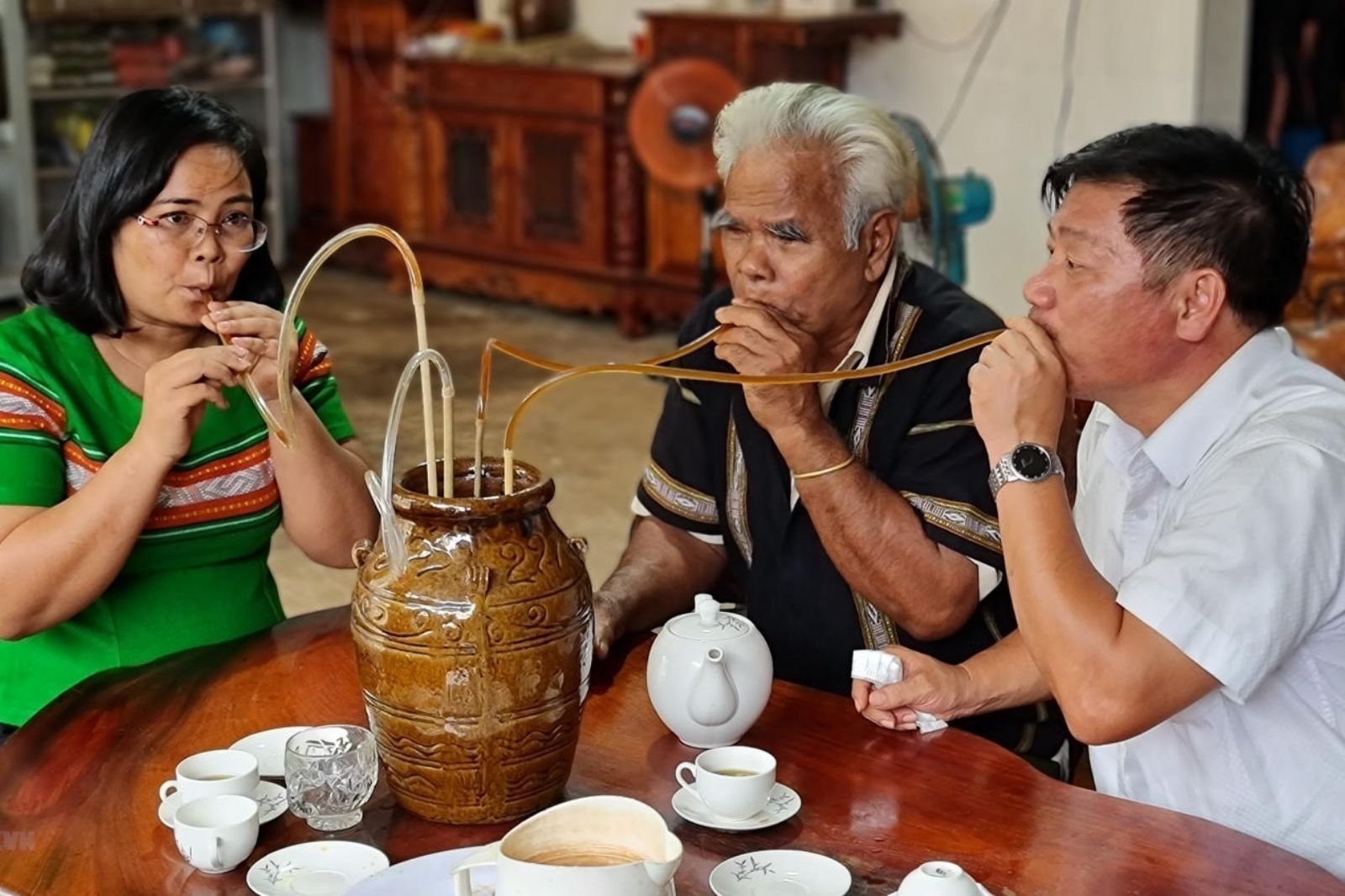
Unlike enjoying wine from small cups or glassware, Nho Quan straw wine offers a deeply communal experience. Everyone gathers around the jar, sharing stories and sipping the wine through slender bamboo or reed straws. This unpretentious ritual forms the core of Muong hospitality, where the jar of wine serves not only to welcome guests, but also as a bridge connecting family, friendships, and community solidarity.

  • Preparing the wine: Pour cooled boiled water into the jar and let it steep for about 10–15 minutes so the flavors infuse evenly. The very first pour is always the most aromatic and sweetest.

  • How to drink: Glasses and cups are not used; instead, long hollow bamboo straws are inserted straight to the bottom of the jar so everyone can drink together.

  • The setting: Straw wine is best enjoyed in a lively, communal setting, drinking while chatting to fully appreciate the gentle spice, sweet aftertaste, and delicate aroma.

  • Food pairings: Grilled skewered meats, forest greens, or lemon basil leaves help balance the drink's richness and temper its intoxicating effects.

  • Helpful tip: Start with small sips to adjust your palate; the wine gradually becomes milder as more water is added, making the initial round the most prized.

For travelers, participating in this ritual offers a vivid glimpse into the living culture of the Muong community in Ninh Binh, where time-honored heritage remains vibrant in daily routines and festive gatherings.

The straw wine drinking culture fosters community bonding

Photo: The straw wine drinking culture fosters community bonding

Nho Quan straw wine is not merely a traditional drink, but the embodiment of the heritage, customs, and spiritual life of the Muong community in the mountainous district of Ninh Binh. From natural ingredients and artisanal brewing to the deeply communal drinking ritual, it symbolizes warmth, simplicity, and enduring tradition. Amid modern life, Nho Quan straw wine retains its unique place as a distinctive feature in the regional culinary tapestry. For travelers who cherish local specialties and cultural authenticity, this is not just an unforgettable flavor, but an experience truly worth seeking out and treasuring.

Featured destinations