Returning to Hue and Visiting Lac Tinh Vien: A Sanctuary Preserving Ancient Souls Amidst the Urban Hustle

Central

Thua Thien Hue

Hue Garden Houses

Sovaba.travel

Updated at: 24/09/2026

1. Where is Lac Tinh Vien Garden House Located?

Lac Tinh Vien Hue is located at 65 Phan Dinh Phung Street, Vinh Ninh Ward, Hue City, alongside the An Cuu River and within the historical Duong Xuan village area in the southern part of the Hue Citadel. Just a short distance from the city's familiar landmarks, this place opens up a completely different space: old houses, lush green gardens, and the lingering traces of a lifestyle once associated with the royal family.

Spanning an area of approximately 2,070 m², the estate is recognized as a Provincial-level Architectural and Artistic Heritage Site under Decision No. 2235/QD-UBND dated September 28, 2007. The true value of Lac Tinh Vien lies in the relative preservation of an ancient Hue garden house, where architecture, flora, and family life coexist in the exact same space. From here, visitors can conveniently connect their journey to Dong Ba Market, Truong Tien Bridge, the Hue Imperial Citadel, or other scenic spots along the Perfume River. For those wishing to understand Hue through its courtyards, rooftops, and the traditional lifestyles of times past, Lac Tinh Vien is a destination well worth exploring.
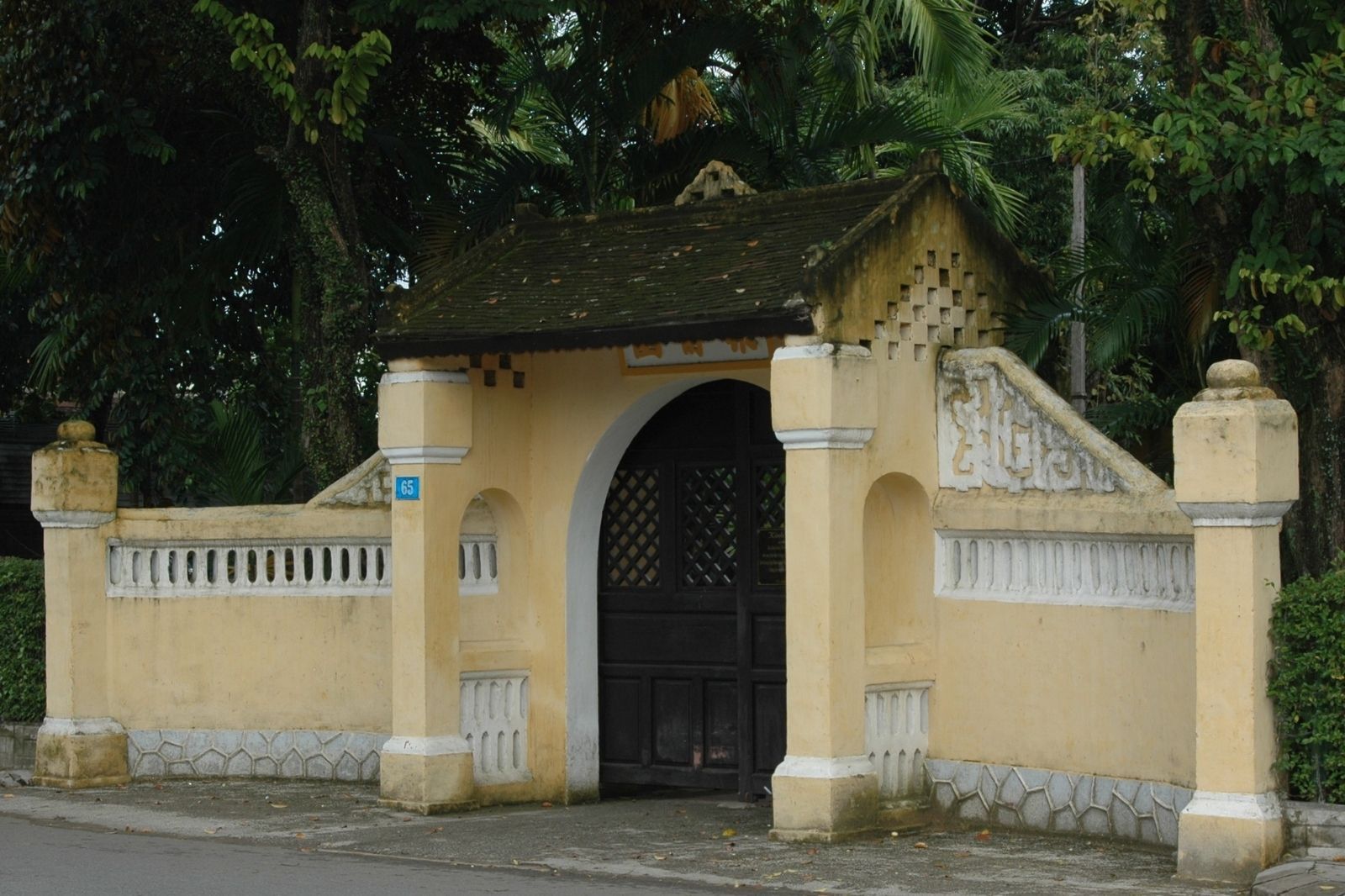
Lac Tinh Vien located on Phan Dinh Phung Street

Photo: Lac Tinh Vien located on Phan Dinh Phung Street 

2. Guide on How to Get to Lac Tinh Vien

Situated in the city center, Lac Tinh Vien Hue is quite convenient to combine with other tourist attractions. Depending on your starting point and group size, visitors can choose one of the following transportation methods:

  • Motorbike or Bicycle: This is a suitable option if you want to manage your own time and combine multiple destinations in a single day. From downtown Hue, simply travel along Phan Dinh Phung Street to reach number 65. Visitors are advised to use a map to verify the exact location before setting off.

  • Taxi or Ride-Hailing Car: The distance from many central areas is quite short, so travel time is usually brief, though the actual fare depends on your pick-up point, time of day, and traffic conditions.

  • Walking: If you are staying near the An Cuu River area or nearby streets, you can easily walk to Lac Tinh Vien. This is also an interesting way to experience the transition from city streets to Hue's characteristic garden house ambiance.

  • Combined Tour or Itinerary: Certain Hue garden house exploration programs may include Lac Tinh Vien in their itineraries. Since this is a private garden estate, visitors should check visiting hours in advance and contact them to confirm if traveling in a group.

Note: When searching for directions, be sure to enter the full name “Lac Tinh Vien, 65 Phan Dinh Phung, Hue” on your map to avoid confusion with similarly named garden houses. If you wish to visit in a more pleasant atmosphere, mornings or late afternoons are generally the ideal times, especially on hot, sunny days.

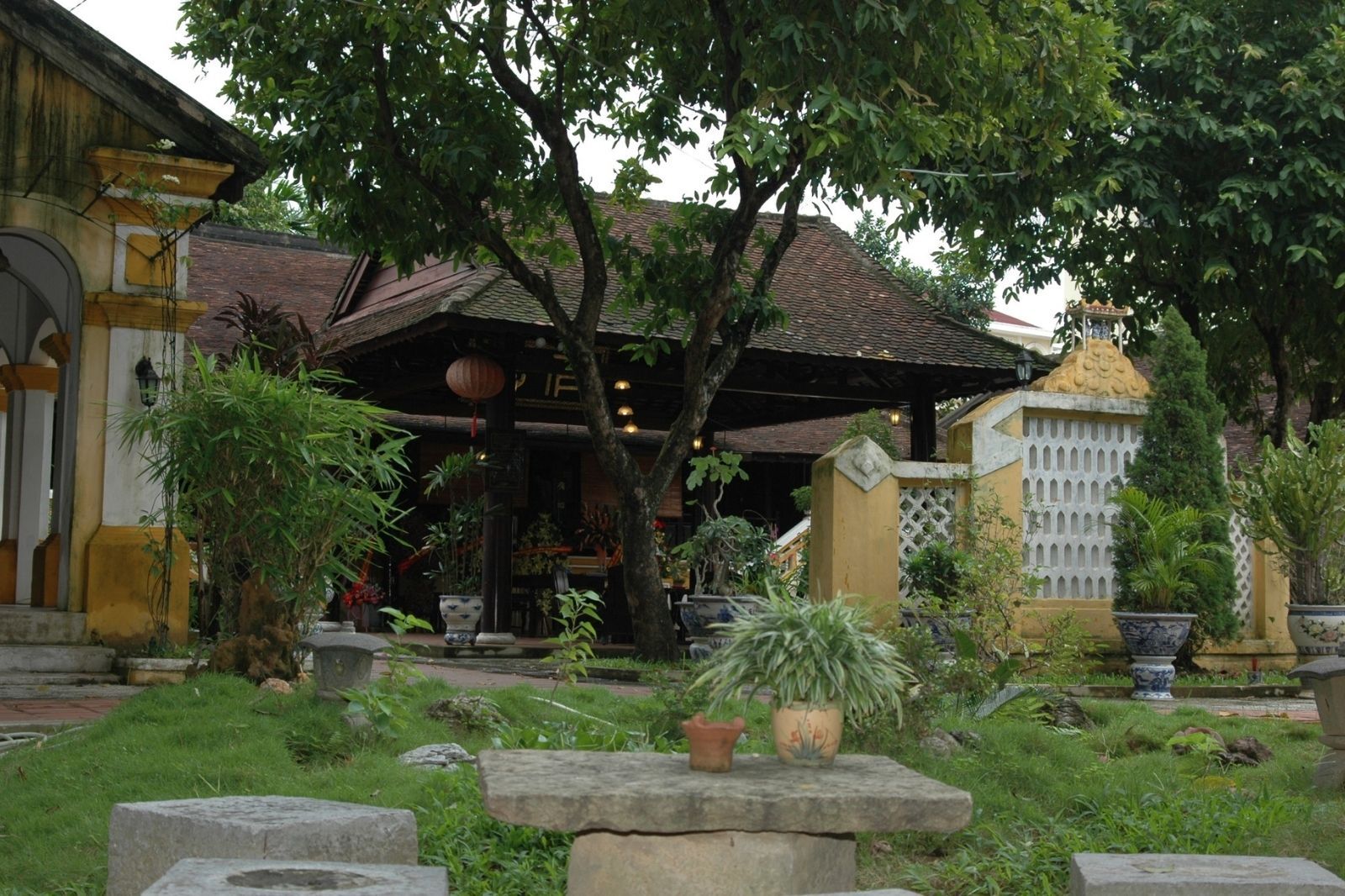
The garden house stands out with its lush green space

Photo: The garden house stands out with its lush green space 

3. The History of Lac Tinh Vien Hue and the Story Behind It

The history of Lac Tinh Vien Hue dates back to the late 19th century, associated with the life of Nguyen Phuoc Hong Khang (1861–1931), the eldest son of Tung Thien Vuong Mien Tham and a descendant of King Minh Mang. Starting from a still-untamed plot of land in Duong Xuan village, he step-by-step built a residence for his mother, later expanding it into a garden house complex with its own unique architecture, landscape, and lifestyle.

The name “Lac Tinh Vien” can be understood as a garden of peace and tranquility, perfectly reflecting the spirit that the owner imbued into this space. In 1889, Hong Khang purchased the land and erected a thatched hut for his mother, Truong Thi Thu, to live in. By 1891, the hut was replaced by a three-compartment house. Six years later, the structure was built on a grander scale in the traditional Hue ruong house style, featuring brick walls and tiled roofs. On its inauguration day, Tuy Ly Vuong Mien Trinh, Hong Khang's uncle, presented a horizontal lacquered board inscribed with three Chinese characters: “Hy Tran Trai”. This also became the name of the main house, closely tied to stories of the owner's virtue, talent, and filial piety.

More than a century has passed, and Lac Tinh Vien continues to preserve not only Hue's garden house architecture but also the refined lifestyle of a royal family. The tradition of distributing charity to the poor has been maintained across generations. Notably, Princess Cong Tang Ton Nu Khanh Nam spent many years safeguarding the estate, its landscape, and the inherent values of the garden. Consequently, today's Lac Tinh Vien is not merely an architectural and artistic heritage site, but also a beautiful tale of filial piety, elegance, and humanitarian spirit among the people of old Hue.

4. What Makes the Architecture of Lac Tinh Vien Hue Special?

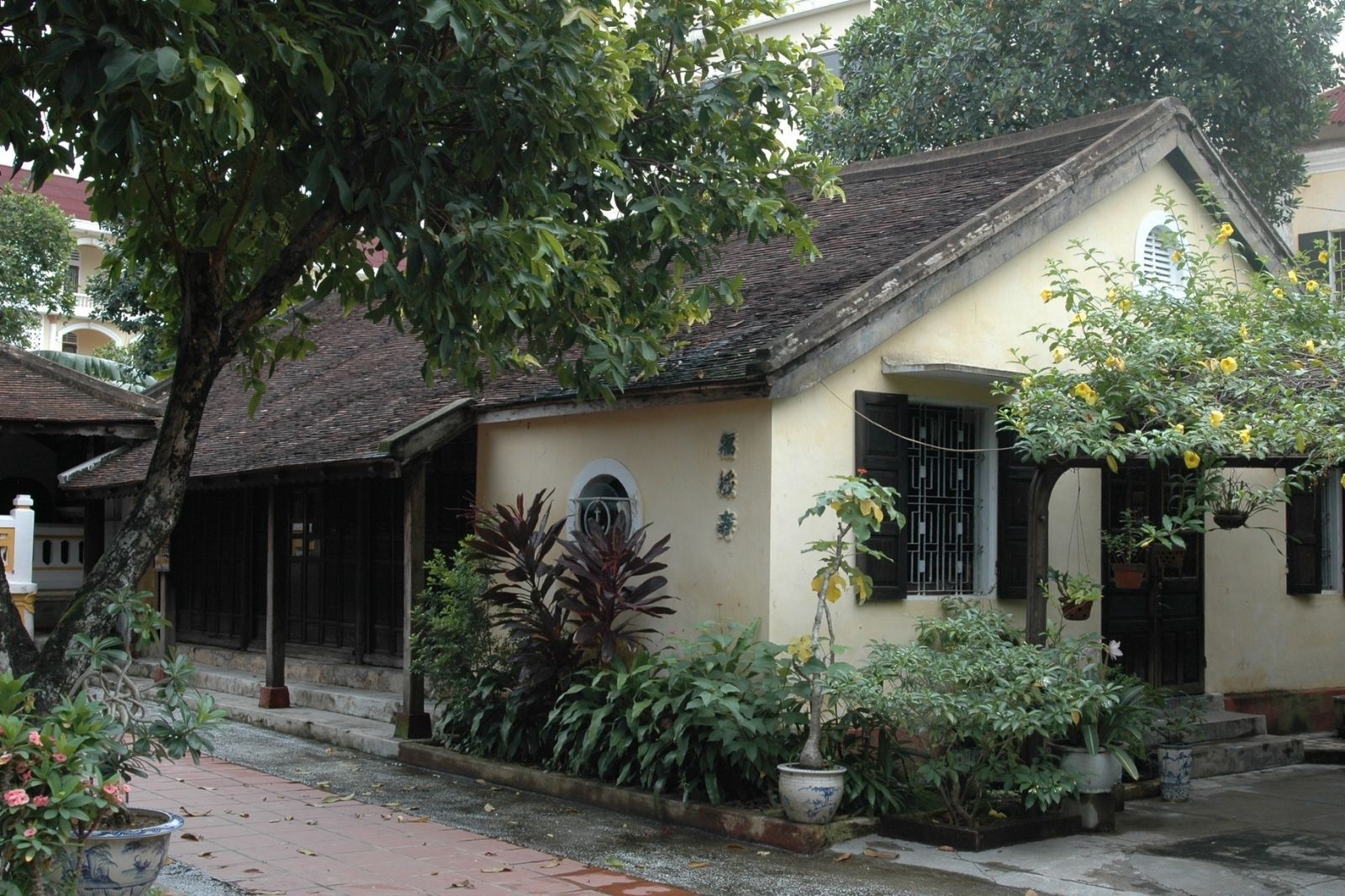
Lac Tinh Vien is a vivid testament to the exquisite beauty of Hue ruong house architecture. The entire structure utilizes sturdy ironwood, combined with robust main and secondary columns, traditional red tiled roofs, and durable brick walls. The sophisticated truss system, along with carved motifs of the four noble plants, the eight treasures, and gold-gilded red lacquered boards, creates an overall appearance that is both majestic and noble. 

  • Gate and Screen Wall: The main gate with its wooden doors and Chinese parallel sentences creates a striking impression right from the entrance. Inside stands a screen wall styled in a stylized roll-book shape, serving both as an architectural highlight and a transitional boundary between the outer world and the inner garden.

  • Hy Tran Trai: Built around 1897, this is the main structure of Lac Tinh Vien designed in the Hue ruong house style, comprising three compartments and two lean-tos featuring a system of wooden columns, tiled roofs, and numerous carved details. Horizontal boards, parallel sentences, and traditional motifs contribute to the solemn ambiance of the ancestral worship and family living space.

  • Di Tam Thich The Duong: Built in 1901, this structure is located to the left of the main house and formerly served as a living and study area for the family's descendants.

  • Van Trai: Erected in 1910 on the right side, this building features a brick structure with distinct Western influences. It once served as Hong Khang's workspace, where he composed poetry and literature and received guests.

  • Nhan Hau House: A square, open-air space on all four sides, situated amidst the garden and ornamental plants. This is a place for receiving guests, enjoying scenery, and upholding the family's tradition of charitable work.

Surrounding these structures is a lush green garden filled with various trees, flowers, and shaded resting spots. Everything is arranged just right—never overpowering the architecture, but rather complementing it to create the subtle, secluded elegance characteristic of Hue garden houses.

5. Visiting Lac Tinh Vien Hue: Experiences and Essential Tips

Visiting Lac Tinh Vien Hue is an opportunity to slow down amidst a garden estate that still retains the unique essence of ancient Hue. Visitors can admire the ruong houses, read the horizontal lacquered boards and parallel sentences, stroll through the gardens, and learn about the lifestyle of a royal family spanning multiple generations.

Some important notes when visiting:

  • Check Before You Go: Lac Tinh Vien is a private heritage site, meaning opening hours and guest reception policies are subject to change. If traveling in a group or wishing to tour the interior, it is best to contact them in advance to plan your schedule accordingly.

  • Maintain Quietness: This remains a family living and worshipping space. Visitors should dress politely, speak in moderate tones, and refrain from casually touching antiques, artifacts, or restricted areas.

  • Allocate 45–90 Minutes: This amount of time is sufficient to explore the architecture, stroll the gardens, and absorb the stories associated with Lac Tinh Vien without feeling rushed.

  • Visit Early in the Morning or Late Afternoon: The weather is more pleasant during these times, and the lighting is ideal for admiring the architecture and taking photographs.

  • Combine with Other Attractions: You can pair your itinerary with other Hue garden houses, the Perfume River, or historical monuments in the area to gain a deeper understanding of the ancient capital's architecture and lifestyle.

Lac Tinh Vien is not a large-scale tourist attraction, but it is precisely this seclusion that lends it its unique charm. Architecture, gardens, and family lore converge in a compact space, perfect for travelers seeking to discover a deeply reflective Hue rich in cultural depth.

Visitors should contact in advance if they wish to tour the garden house

Photo: Visitors should contact in advance if they wish to tour the garden house 

Amidst a rapidly developing Hue, traditional garden houses like Lac Tinh Vien are gradually becoming "treasures" in need of preservation. Beyond being merely a sightseeing destination, Lac Tinh Vien serves as a repository for cultural and historical values as well as the refined lifestyle of the people of Hue. Visiting this place not only enhances your understanding of Hue's culture but also contributes to supporting the preservation of this precious heritage. 

If you love peace and tranquility and wish to delve deeper into the culture of Hue's garden houses, do not stop at Lac Tinh Vien alone. A Hue garden house tour will take you through many other unique spaces such as An Hien, Ngoc Son Princess House, Tinh Gia Vien…, each holding its own distinct story and soul waiting to be discovered.

Loading......

Featured destinations