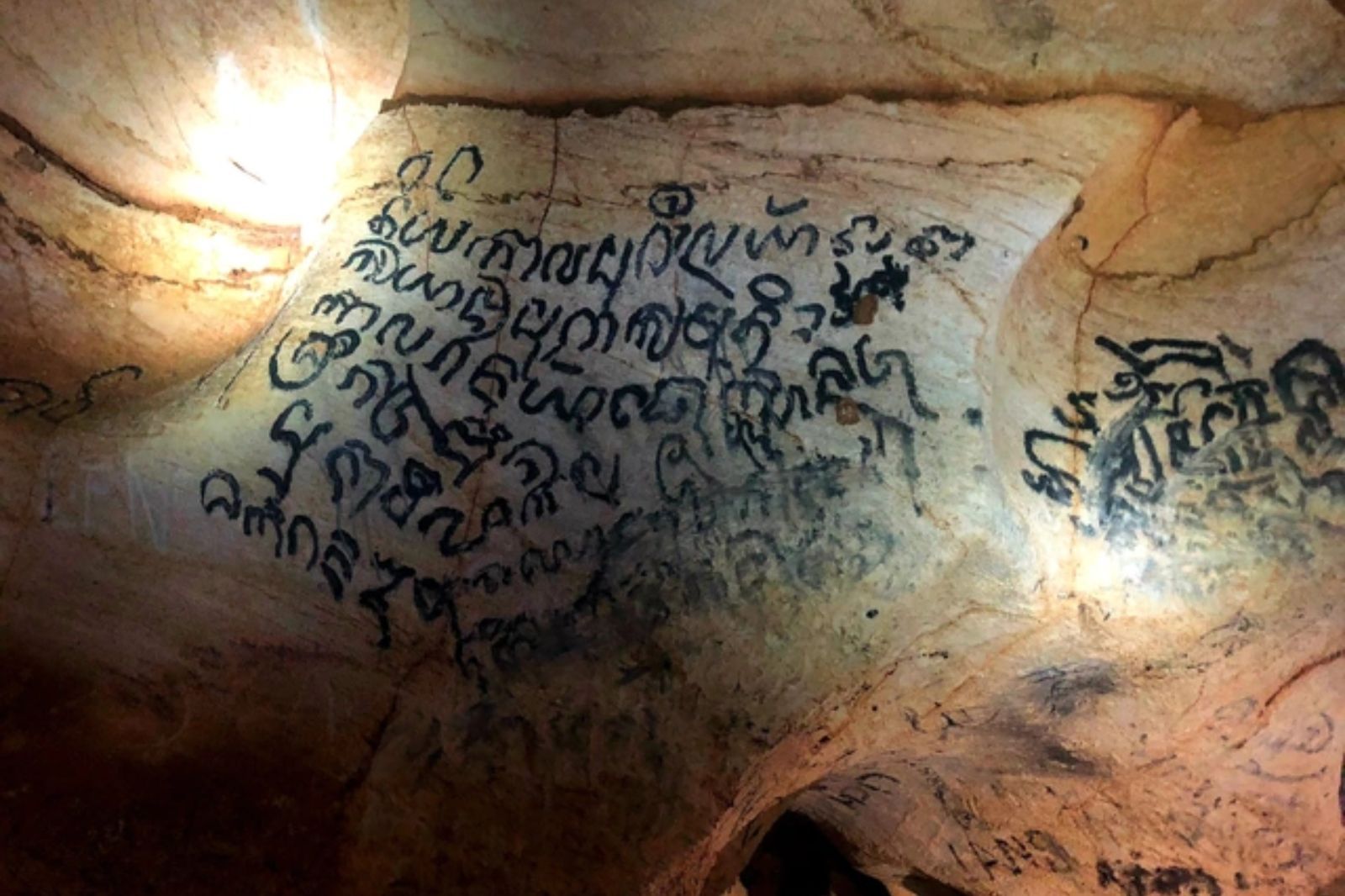
Few know that before becoming a World Natural Heritage site, Phong Nha Cave was an important religious space for the Champa Kingdom. From around the 2nd to the 11th century, the land of present-day Quang Binh was situated in the convergence zone of Champa principalities, particularly flourishing during the Indrapura Dynasty (9th–10th century). This historical context left behind many valuable cultural footprints deep within the cave.
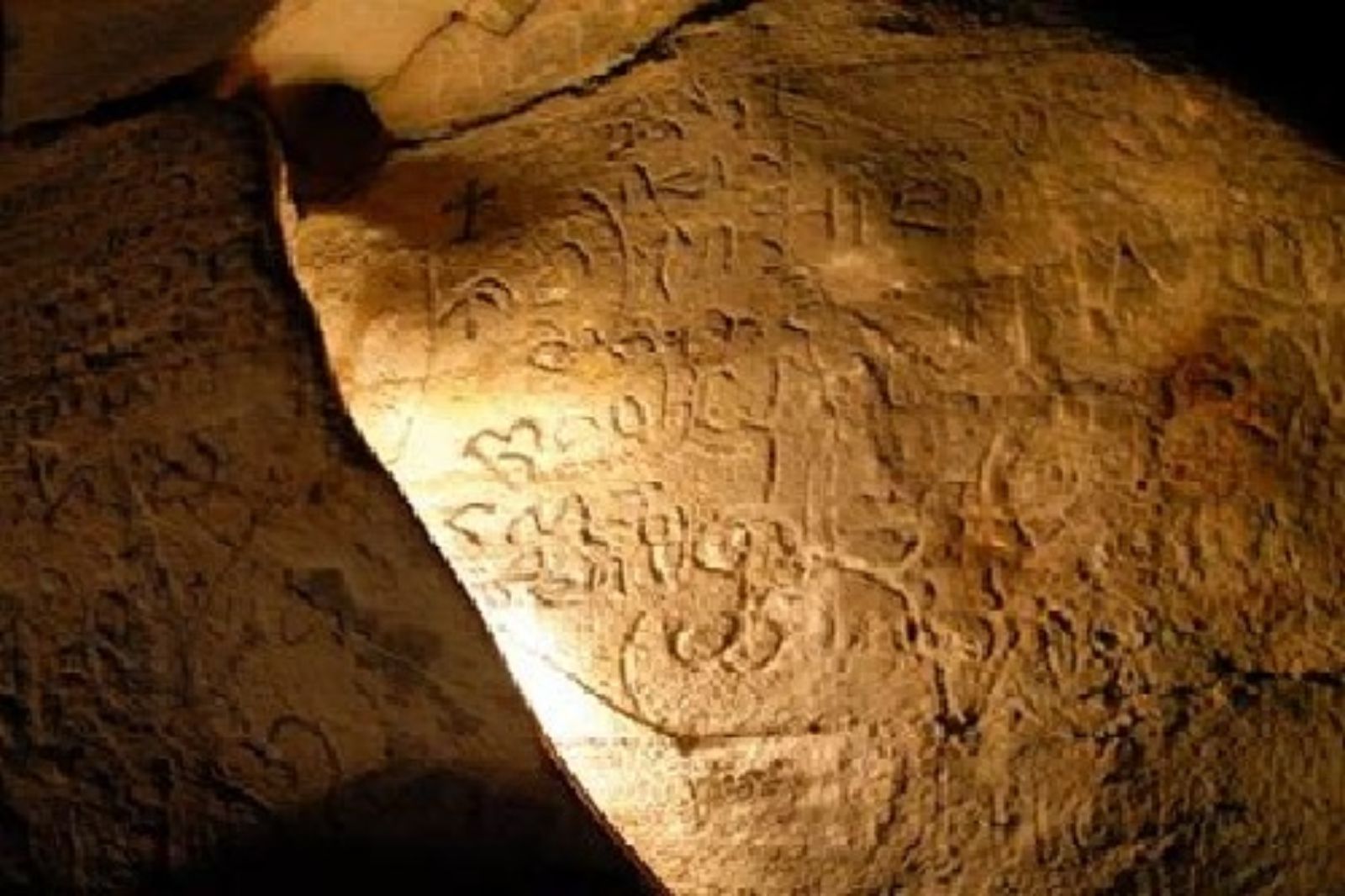
The Champa relics discovered at Phong Nha Cave mostly date back from the 9th to the early 11th century. In 1899, the French priest and scholar Léopold Cadière was the first to document these traces through scientific surveys. He discovered a brick altar, stone statues, ceramic fragments, and especially 97 ancient characters carved into the rock wall at Bi Ky Cave – a cavern branch located deep inside Phong Nha Cave.
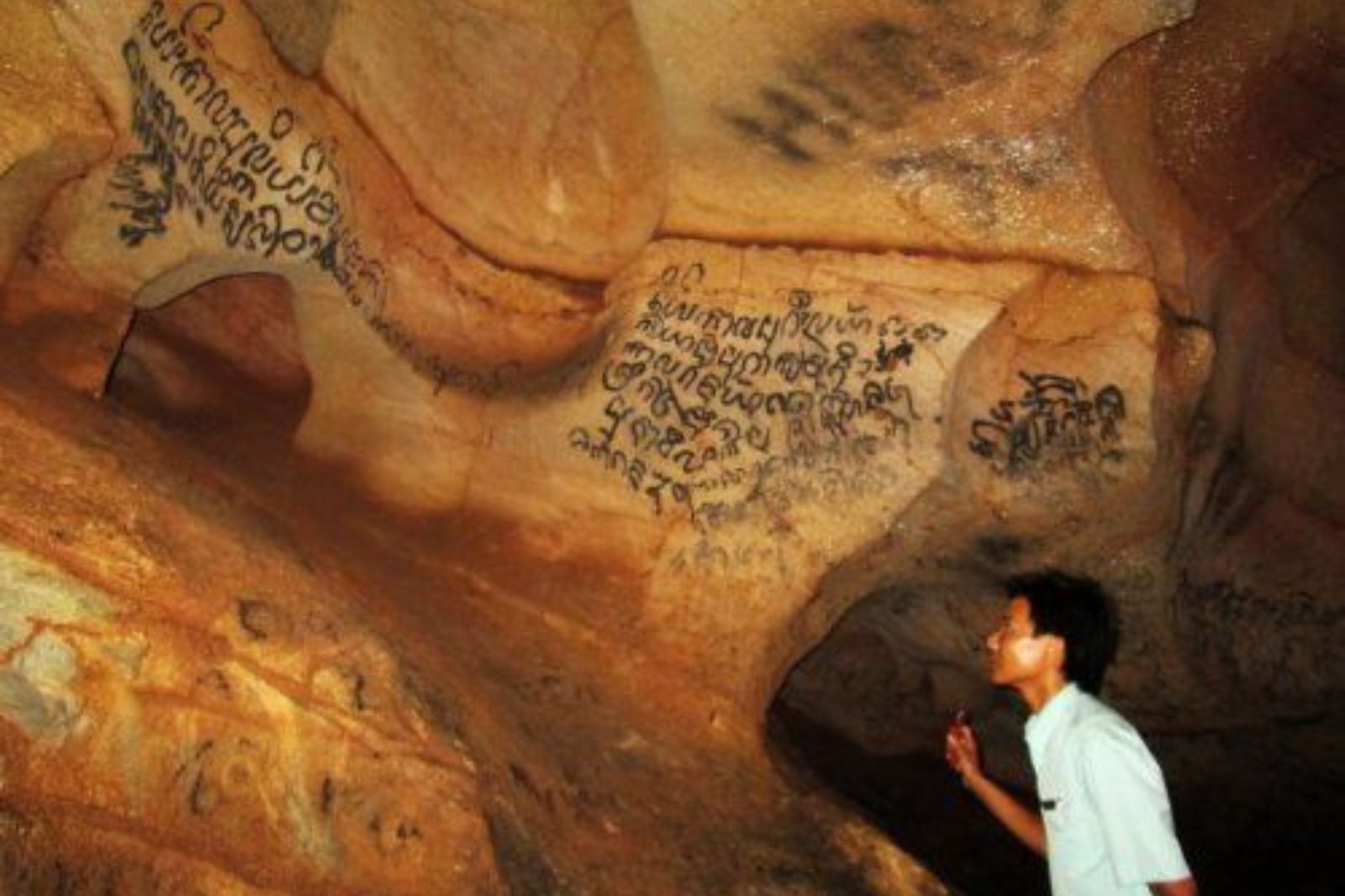
In 2015, research by expert Arlo Griffiths (French School of the Far East – EFEO) determined that these inscriptions were carved around the early 11th century (1000–1020). The inscriptions feature Sanskrit and ancient Cham scripts, reflecting the intersection of Hinduism and Mahayana Buddhism, while demonstrating the advanced cultural and religious development of the Cham people at that time.
Many researchers believe that Bi Ky Cave was once a sacred sanctuary for the Cham people, housing altars, statues of deities, and hosting religious rituals. Selecting a cave amidst a limestone mountain region as a place of worship not only reflected their distinct beliefs but also showed the Cham's deep adaptation and understanding of Quang Binh's unique karst topography. Today, these traces remain quiet witnesses of history, affirming that Phong Nha Cave is not only a renowned natural wonder but also a sanctuary preserving extraordinary cultural and archaeological values of the Champa civilization in Central Vietnam.