Visiting Xuan Dai Garden House: The Essence of Ruong House Architecture and the Soul of Hue's Countryside

Central

Thua Thien Hue

Hue Garden Houses

Sovaba.travel

Updated at: 24/09/2026

1. Where is Xuan Dai Garden House located?

Nesting in the lush green space of Thuy Bieu Village, Xuan Dai Garden House at No. 12, Alley 22 Thanh Nghi Street, Thuy Bieu Ward, Hue City offers a very different feel compared to the crowded attractions in the city center. From the Truong Tien Bridge area, it is only about 6–7 km, equivalent to a 15–20 minute drive, for visitors to find a slow-paced corner of Hue with orchards, old tiled roofs, and traditional ruong houses hidden in green foliage.

The path into Xuan Dai is quite small, winding through roads that embody Hue's countryside charm. Traveling by motorbike or taxi will make the journey more convenient, while offering a better chance to feel the peaceful simplicity of Thuy Bieu – a land famous for Thanh Tra pomelos and traditional garden houses.
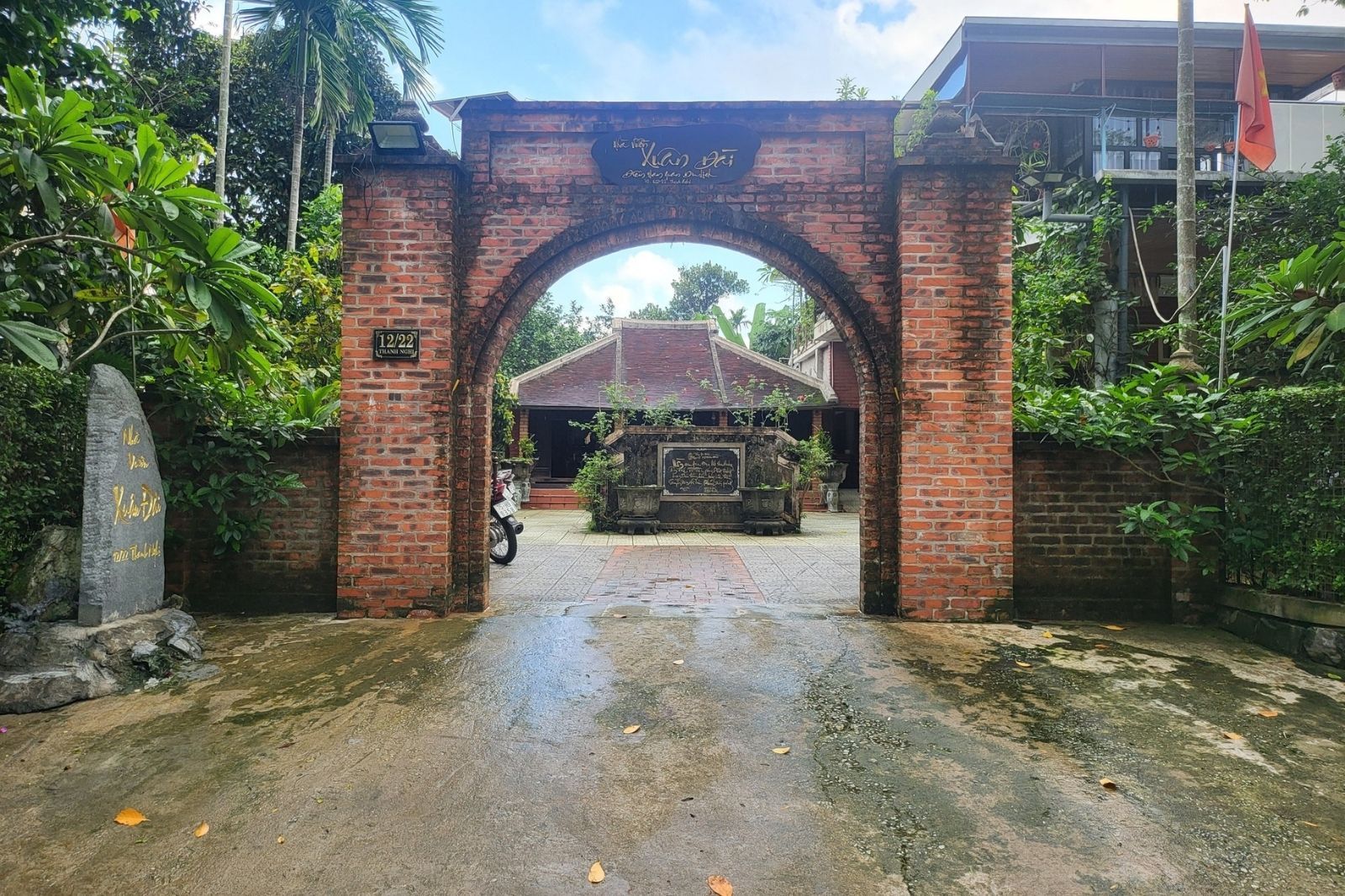
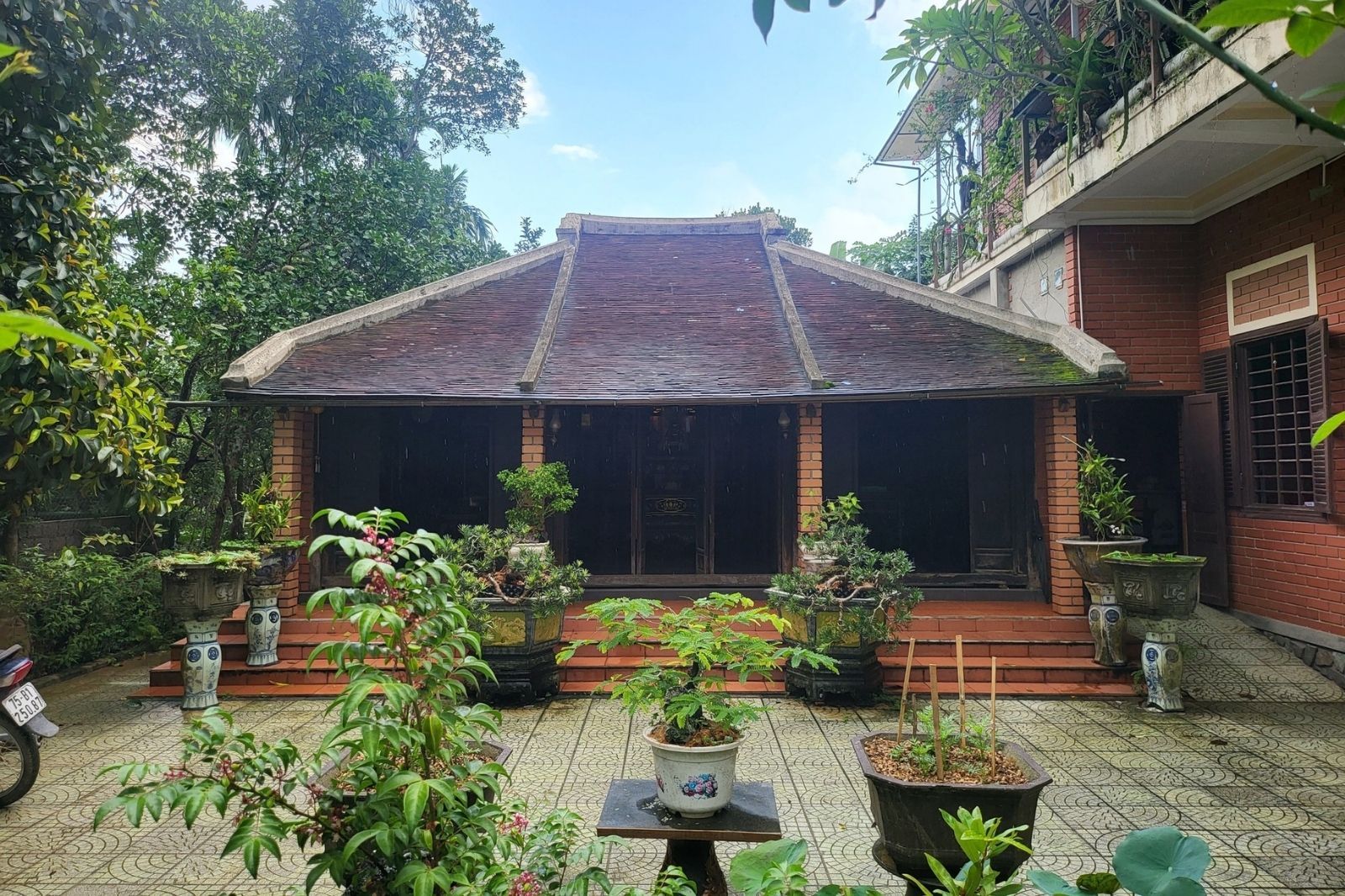
The first owner of Xuan Dai Garden House was the grandfather of Mr. Ho Xuan Dai

Photo: The first owner of Xuan Dai Garden House was the grandfather of Mr. Ho Xuan Dai 

2. History of Xuan Dai Garden House

Built in 1868 during the Nguyen Dynasty, Xuan Dai Garden House has quietly stood through more than a century and a half alongside the changes of Hue. The house originally belonged to the grandfather of Mr. Ho Xuan Dai, a former royal court official. Across many generations, the family has continued to live in and preserve this place, allowing every roof tile, row of wooden pillars, garden, and traditional way of life to be passed down. Today, Xuan Dai Garden House is over 150 years old, becoming a vivid part of the memory of Thuy Bieu land.

The house has endured not just through time, but thanks to the loving care of family members. In 1996, when termites threatened the wooden structure, Mr. Ho Xuan Dai raised the entire house by about 60 cm, treated the foundation, and applied folk methods to protect the timber. Thus, an ancient structure was not confined to the past, but continued to be nurtured to live in the present.

Since around 2012, the family began welcoming visitors to Xuan Dai Garden House. Visits often start with stories told by the host himself: stories about the family, the house, bygone years, and how Hue people preserve their lifestyle. Perhaps it is this sincerity that makes Xuan Dai special; coming here is not just to view an ancient ruong house, but also to hear a family retell over 150 years of history through very everyday memories.

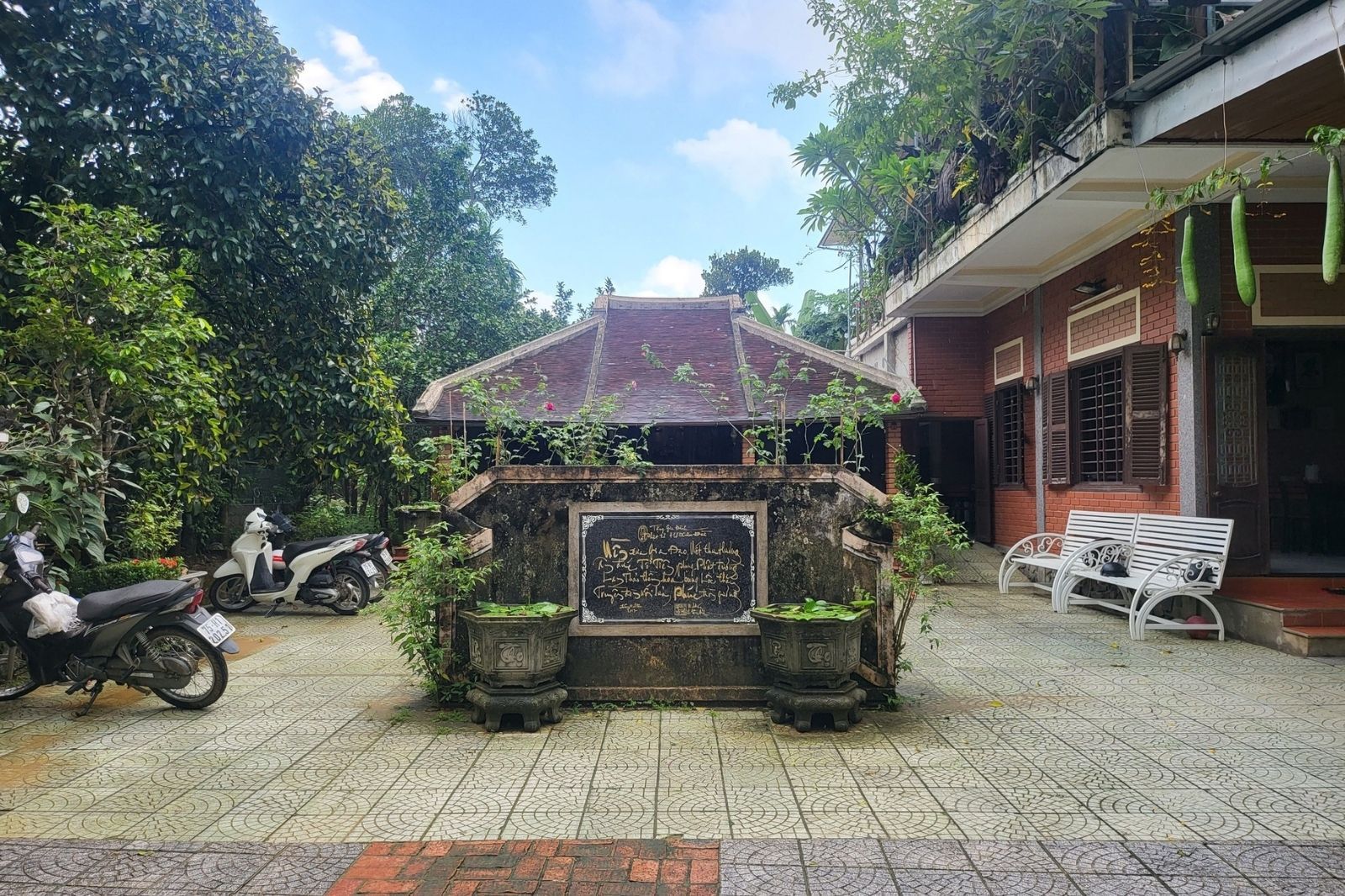
Xuan Dai Garden House stands out with traditional ruong house architecture

Photo: Xuan Dai Garden House stands out with traditional ruong house architecture 

3. What makes the Ruong house architecture at Xuan Dai Garden House so impressive?

Covering an area of about 1,125.6 m², Xuan Dai Garden House is laid out in a traditional architectural style, with the main ruong house situated at the center of the grounds, featuring a one-bay, two-wing design. This arrangement creates balance among the house, the front yard, and the surrounding garden – a defining characteristic that contributes to the elegance of Hue garden houses.

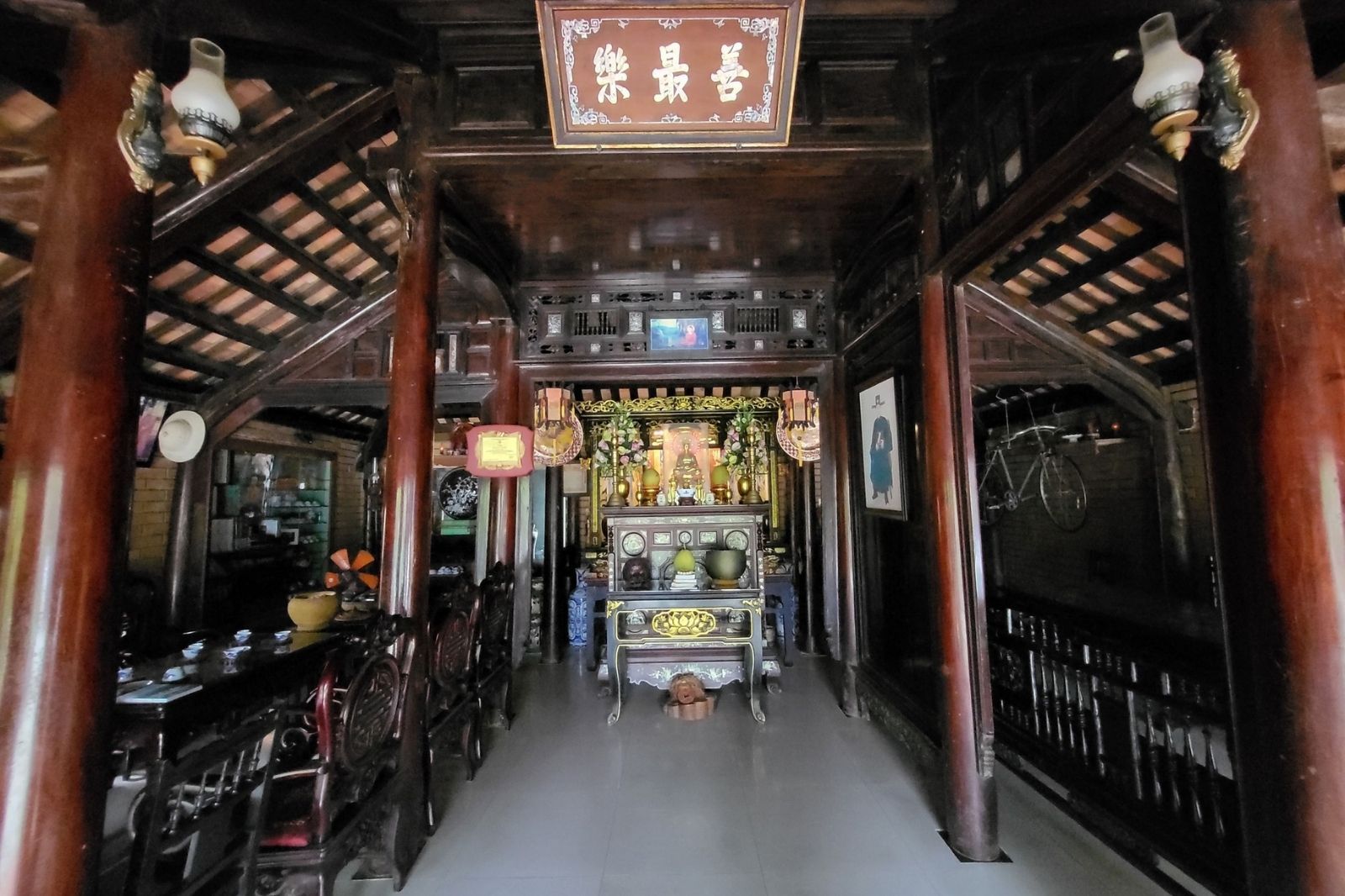
Stepping into Xuan Dai's space, what impresses visitors is not lavish complexity, but the feeling that everything retains the original look of an ancient Hue house. From the wooden frame and tiled roof to the family heirlooms inside, everything bears the marks of time.

  • Wooden frame and pillar-and-beam system: The house mainly uses jackfruit wood for pillars, tie-beams, and rafters, and kien wood for purlins. The components are joined using wooden mortise and tenon joints instead of iron nails, showcasing masterfully skilled traditional house-building techniques. According to records, the house has about 56 wooden pillars, with many components turned dark brown and lustrous over the years.

  • Ancient flat-tile roof: The roof is tiled with flat tiles (ngoi liet) at an appropriate pitch, helping drain water during heavy rains in Central Vietnam while keeping the house cool in summer. The layer of moss growing over time makes the roof even more tranquil, creating a very distinct beauty of ancient ruong houses in Hue.

  • Interior space: The altar room is the most sacred space, featuring horizontal lacquered boards, couplets, altar cabinets, wooden platforms, and long benches (truong ky). Several items have been preserved across generations, some over a hundred years old and considered family treasures. In front of the house is a screen wall (binh phong), serving as both a garden accent and an expression of traditional Hue feng shui concepts.

  • Surrounding garden: Leaving the veranda, visitors encounter a green space typical of Thuy Bieu garden houses. Thanh Tra pomelos, grapefruits, areca palms, jackfruits, bananas, alongside various fruit trees and flowers are interplanted, creating green, shade-filled spaces year-round. In particular, Hue Thanh Tra pomelo is closely tied to this land and contributes to the signature character of Xuan Dai Garden.

Amidst a Hue that changes day by day, this place still preserves its ruong house structure, heirloom items, and classic garden layout. Standing under the mossy tiled roof, looking at ancient tree trunks, and listening to stories about each household item, visitors feel as if they are walking slowly through a slice of ancient Hue. This is precisely the value that gives Xuan Dai its appeal to those wishing to delve deeper into ruong house architecture and Hue garden house culture.

Inside Xuan Dai Garden House

Photo: Inside Xuan Dai Garden House 

4. Sightseeing experiences at Xuan Dai Garden House

Visiting Xuan Dai Garden House, visitors do not just stand outside admiring an ancient ruong house. The greater pleasure lies in stepping into the living space of a Hue family, hearing stories preserved across generations, and slowly experiencing the simple lifestyle amidst a green garden.

  • Listen to stories about the house and family: The host personally shares stories about the history of Xuan Dai, heirlooms passed down through generations, along with concepts of yin-yang, traditional herbal medicine, and how ancient Hue people maintained a balanced, harmonious life.

  • Stroll through the garden: Small paths lead visitors through fruit orchards where Hue Thanh Tra pomelos are the highlight. In season, you can pick and enjoy fruit directly in the garden, amidst the fresh and peaceful atmosphere of Thuy Bieu.

  • Relax with traditional herbal treatments: A gentle experience at Xuan Dai is soaking your feet in herbal water in wooden tubs under the shade of trees. After a day of exploring Hue, simply sitting down, soaking your feet, and listening to the rustling leaves is enough to slow down the pace of life.

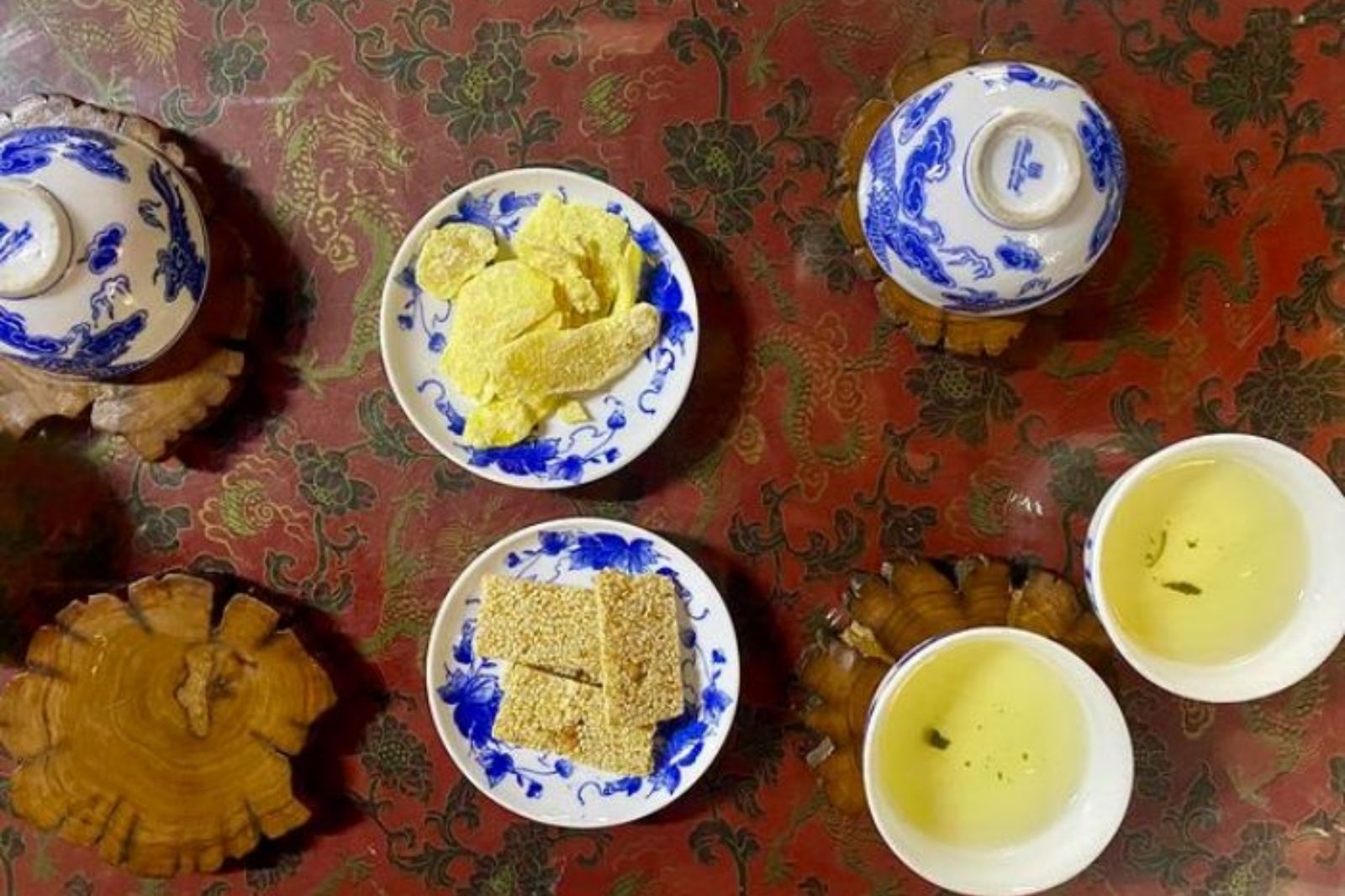
  • Enjoy a Hue countryside meal: A meal at the garden house may include rustic dishes such as fig salad with shrimp and pork, braised river fish in a clay pot, vegetable soup, and Thanh Tra pomelo salad, served with hot tea, ginger jam, or sesame candy (me xung). Ingredients are harvested from the garden and local sources, preserving the rustic comfort of a traditional Hue family meal.

  • Explore Thuy Bieu countryside village: With suitable experiential itineraries, visitors can combine cycling around the village, visiting the village communal house, learning about traditional crafts, or taking part in tree care and jam-making activities.

What makes many people remember Xuan Dai Garden House is perhaps not an overly extraordinary experience, but the warm and natural hospitality of the family. The space is uncrowded, stories are shared from real memories, and meals are served as if treating old friends. Thus, after an afternoon at Xuan Dai, the lingering feeling is usually not "having visited a tourist spot", but rather having visited an old Hue home and lived at a slower pace for a few hours in a tranquil garden.

Tea and ginger jam offered to guests at Xuan Dai Garden House

Photo: Tea and ginger jam offered to guests at Xuan Dai Garden House 

5. Ticket prices & essential info for visiting Xuan Dai Garden House

Currently, Xuan Dai Garden House usually does not charge an entrance fee for regular sightseeing. However, some accompanying experiential services may be charged separately, such as herbal foot soaks for around 50,000 – 100,000 VND or a rustic Hue meal starting from 100,000 VND per person. Operating hours are expected from 7:00 AM to 5:30 PM daily; for a smooth visit, visitors are advised to contact in advance via the Facebook page “Nhà Vườn Xuân Đài” or call the host directly to confirm schedules and services.

6. Tips for visiting Xuan Dai Garden House

To make your visit to Xuan Dai Garden House complete, here are a few small but helpful tips. 

  • From central Hue (Truong Tien Bridge area), it takes only about 15–20 minutes by motorbike or Grab to reach, with the specific address at 12/22 Thanh Nghi, Thuy Bieu Ward.
  • The ideal time to visit is early morning or late afternoon, when the weather is cool and the sunlight is not too harsh, especially during summer (May–August). If time permits, you can combine this with a Thuy Bieu village tour to explore more ancient garden houses.
  • Before going, remember to bring a hat, cap, and sunscreen, and book in advance via Facebook "Nhà Vườn Xuân Đài" if you travel in a large group. 
  • An important note: this is still a family living space, so please maintain cleanliness, refrain from smoking, and respect the natural tranquility of this place.
It is recommended to contact the host in advance before visiting
Photo: It is recommended to contact the host in advance before visiting 

If you are planning to spend 2–3 days exploring Hue, don't forget to add Xuan Dai Garden House to your itinerary. An interesting suggested itinerary could start on the first day by visiting the Imperial Citadel and key highlights within the ancient capital. On the second day, spend the morning taking a boat ride on the Perfume River, and in the afternoon visit Xuan Dai to enjoy the lush green space and savor a rustic Hue meal right in the garden. On the final day, you can wander through the majestic mausoleums of the Nguyen Dynasty to wrap up your trip.

By combining heritage sightseeing with garden village experiences, your Hue trip will be more balanced and engaging. Especially with the garden house tour organized by Sovaba Travel, you will have the chance to learn about ancient ruong house architecture, stroll through lush green orchards, and enjoy an authentic Hue meal right in a local family atmosphere. This is an ideal choice to explore culture while enjoying relaxation on your journey to the ancient capital.

Loading......

Featured destinations