Dieu De Pagoda in Hue: A Journey to Discover History, Architecture & Spiritual Values in the Ancient Capital

Central

Thua Thien Hue

Dieu De Pagoda

Sovaba.travel

Updated at: 24/09/2026

1. Location and history of Dieu De Pagoda

Dieu De Pagoda is located at 100B Bach Dang Street, Phu Cat Ward, near Gia Hoi Bridge. The pagoda enjoys a spacious, peaceful atmosphere alongside the Ho Thanh River, creating a romantic setting deeply imbued with the essence of Hue.
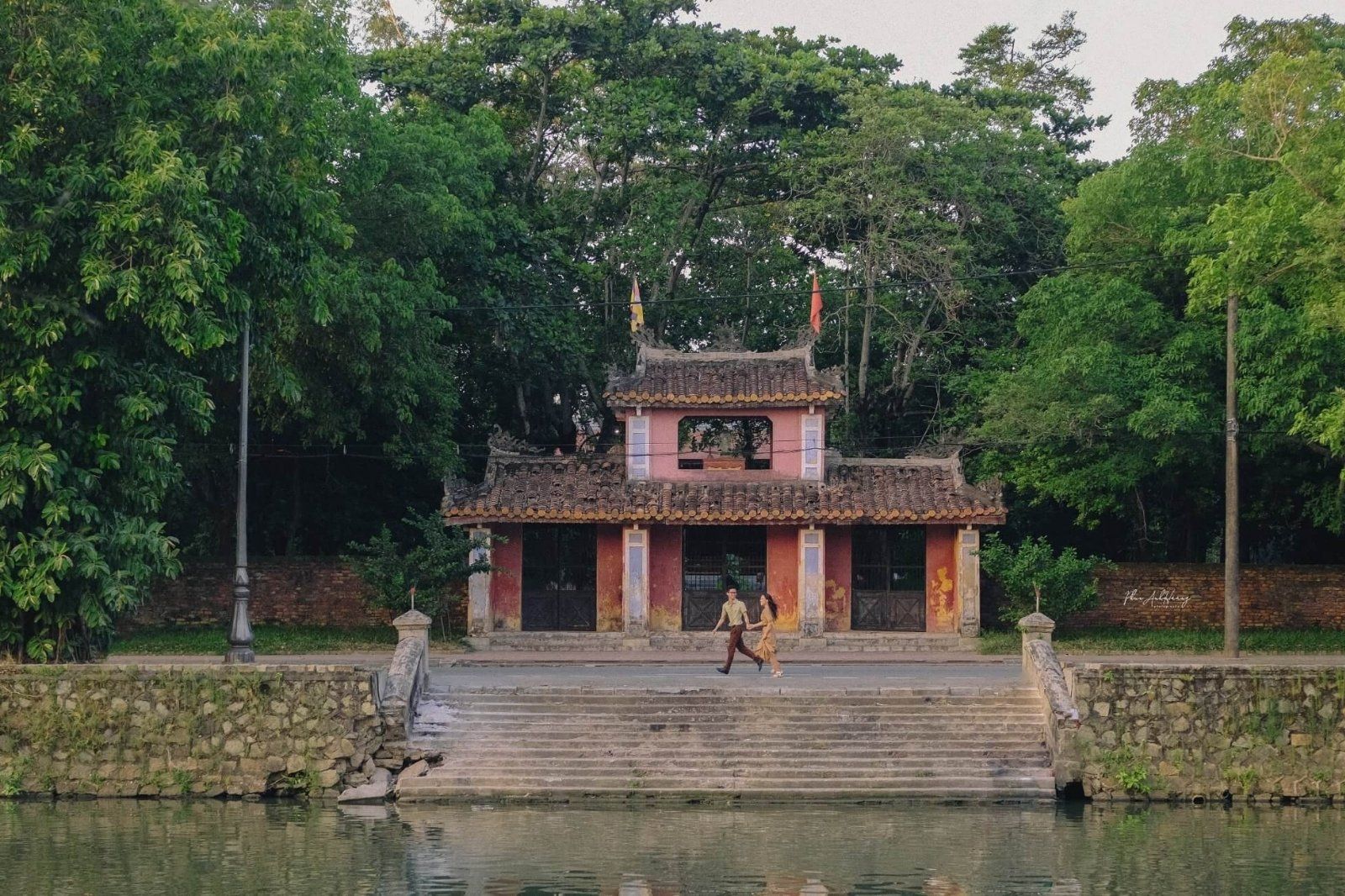
Peaceful atmosphere at Dieu De Pagoda in Hue
Photo: Peaceful atmosphere at Dieu De Pagoda in Hue

Originally the residence of Prince Thieu Tri, where he was born in 1807, in 1844, Emperor Thieu Tri ordered the construction of a grand pagoda right on the grounds of his former residence and proclaimed it a national pagoda. The pagoda experienced many historical events, especially during the fall of the capital in 1885. Many of the pagoda's structures were destroyed, leaving only a few such as Dai Giac Hall, the Bell Tower, and Dao Nguyen Pavilion. Although restored by Emperor Thanh Thai later on, the pagoda could not regain its original scale.

In 1953, with the assistance of Lady Tu Cung and Buddhist followers, Most Venerable Dieu Hoang conducted a restoration, giving it a more compact appearance while preserving its ancient charm as seen today. In 2018, Dieu De National Pagoda underwent another major restoration, with the old main hall from 1953 remaining intactly preserved.
2. Explore the architecture and prominent structures

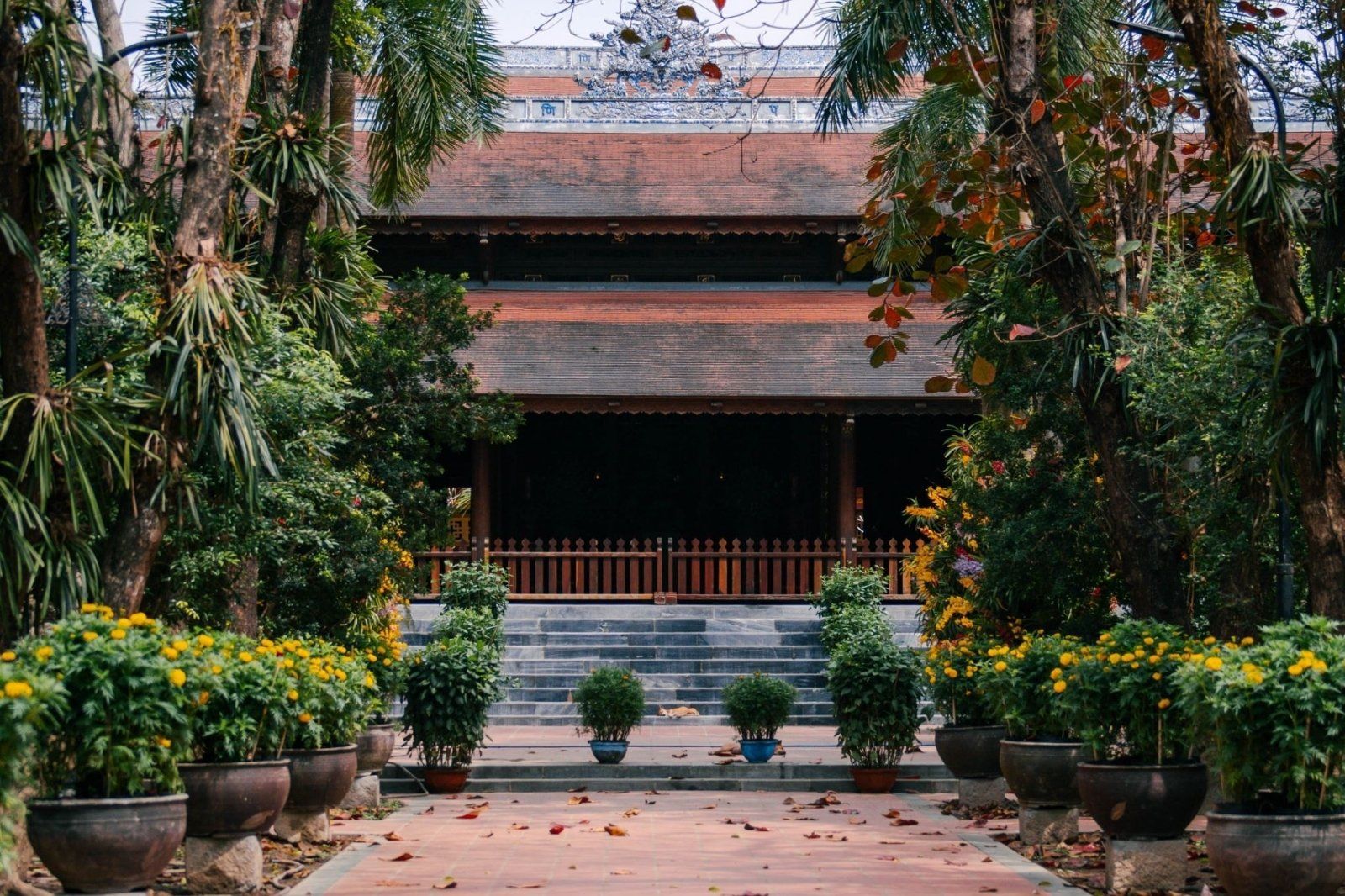
Dieu De Pagoda features a unique architectural style distinct from other pagodas in Hue. Previously, the pagoda was enclosed by a large outer wall with four main gates symbolizing the Four Noble Truths.

Architectural features bearing the strong imprint of the Nguyen Dynasty
Photo: Architectural features bearing the strong imprint of the Nguyen Dynasty

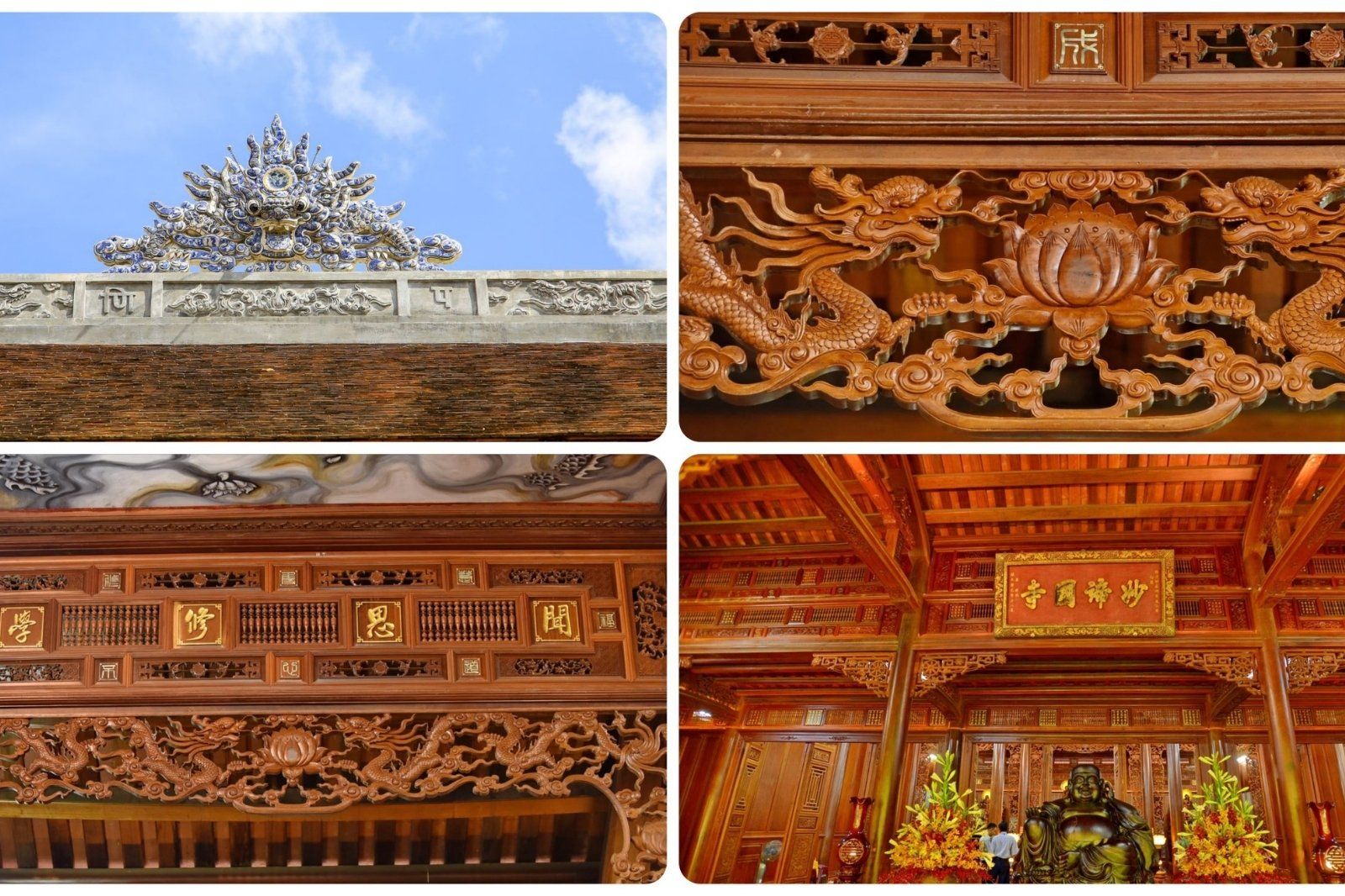
Today, the overall architecture of the pagoda has evolved, with Dai Giac Main Hall featuring an added front facade, flanked by the Bell Tower and Drum Tower. On the roof of the buildings are intricate carvings of "two dragons paying homage to the moon," influenced by the architecture of Tu Dam Assembly Hall.

Stepping into the main hall, visitors will be amazed by the four large pillars artfully carved with dragon motifs emerging from clouds. The spacious courtyard surrounding the pagoda is shaded by lush green trees, creating a pure and cool atmosphere.

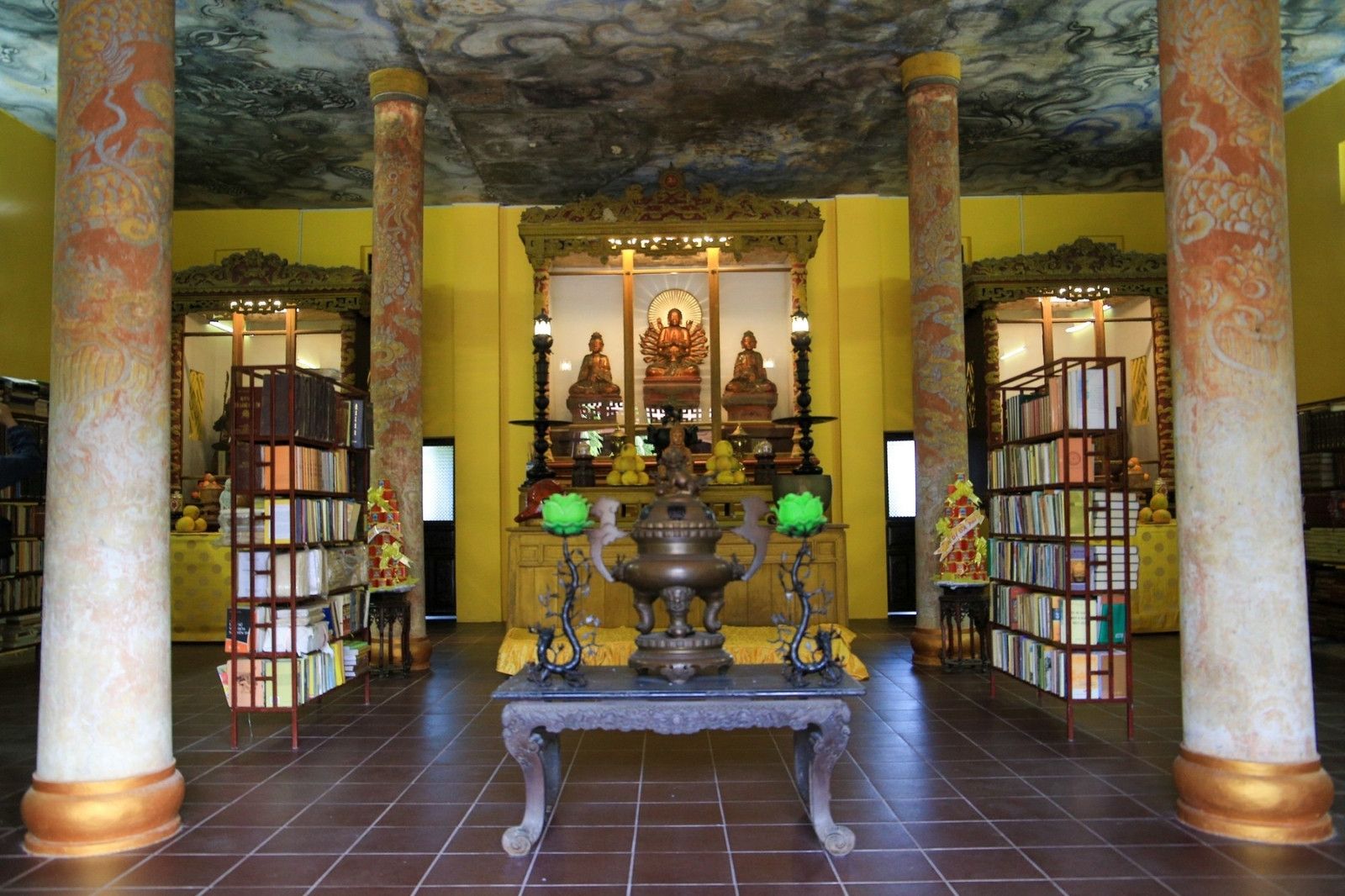
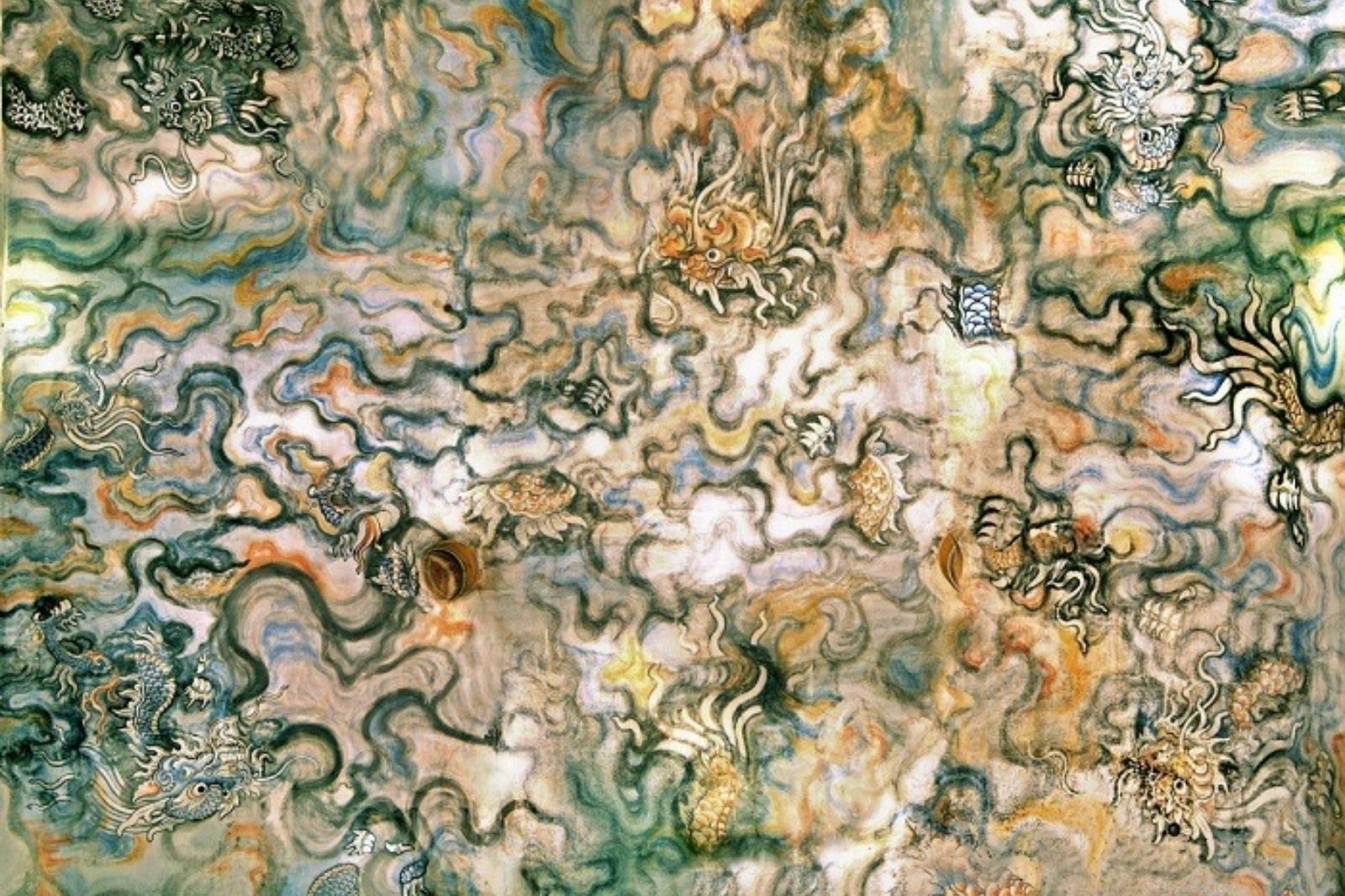
Long Van Khe Hoi: The oldest and largest main hall ceiling mural in Vietnam
Photo: Long Van Khe Hoi: The oldest and largest main hall ceiling mural in Vietnam

In addition, the pagoda houses many valuable relics bearing rich historical significance:

  • Great Sacred Bells: Two large bells cast in 1846 during the reign of Emperor Thieu Tri. These are two of the pagoda's most prominent sacred treasures.
  • Stone Stele: Housed inside the Stele Pavilion, this large stone stele is carved with inscriptions detailing the history of the pagoda's construction, statue carving, and seven poems composed by Emperor Thieu Tri.
  • "Long Van Khe Hoi" Mural: Crafted by artisan Phan Van Tanh and painted on the ceiling of Dai Giac Hall, it depicts five dragon heads emerging from clouds, combined with four dragons on the pillars. The painting was recognized in 2008 as the largest ceiling mural in Vietnam.
  • "Dieu De Quoc Tu" Horizontal Lacquered Board: Completed in 1844, this lacquered board remains preserved and solemnly hung at the main entrance of the central hall to this day.
Inside the main hall worshipping statues of the Buddhas of the Three Times
Photo: Inside the main hall worshipping statues of the Buddhas of the Three Times

With such unique architectural, artistic, and historical values, Dieu De Pagoda is not only a sacred place of worship but also a precious museum where visitors can fully feel the nostalgic beauty and cultural depth of the ancient capital.

3. Tourist attractions near Dieu De Pagoda

After exploring Dieu De Pagoda, visitors can easily travel to other famous attractions in the ancient capital of Hue:

  • Thien Mu Pagoda: An ancient pagoda situated on the banks of the Perfume River, famous for its unique architecture and poetic landscape.
  • Hue Imperial Citadel: A historical complex recognized by UNESCO as a World Cultural Heritage site, where visitors can learn about the history of the Nguyen Dynasty.
  • Khai Dinh Tomb: One of the most beautiful mausoleums in Hue, featuring a harmonious blend of traditional Vietnamese architecture and European style.

Concluding your exploration of Dieu De Pagoda, you can continue your journey by visiting the above renowned heritage sites to fully experience the beauty and cultural depth of the ancient capital of Hue.

A prominent corner of the ancient temple under the Nguyen Dynasty in the capital land
Photo: A prominent corner of the ancient temple under the Nguyen Dynasty in the capital land

On the journey to rediscover the ancient values of the capital, Dieu De Pagoda opens up a sacred space where past and present intersect. More than just a temple, Dieu De is a historical narrative, an architectural masterpiece, and a sanctuary where visitors can find peace of mind. As this trip comes to an end, the memories of nostalgic beauty and cultural depth in Hue, vividly showcased through this sacred national pagoda, will linger in every traveler's heart.

Follow Sovaba Travel to discover more fascinating stories about ancient and poetic Hue, from heritage sites and cuisine to traditional craft villages.

Loading......

Featured destinations