|

Back Home

History of Bai Dinh Pagoda: The Largest Pagoda in Southeast Asia

Northern

Ninh Binh

Bai Dinh Pagoda

Sovaba.travel

Updated at: 28/08/2026

1. The Origins and Legends of Bai Dinh Pagoda

Bai Dinh Mountain, where the pagoda is located, has long been a sacred land associated with national heroes. According to historical records, this is where King Dinh Tien Hoang (Dinh Bo Linh) set up an altar to pray to heaven and earth for favorable weather, consolidating the foundation for the Dinh Dynasty in the 10th century. Over 800 years later, in 1789, King Quang Trung - Nguyen Hue also chose Bai Dinh as the place to consecrate the flag and motivate troops before defeating the Thanh army in Thang Long, opening a heroic chapter in the nation's history.

Ancient Bai Dinh Pagoda (Bai Dinh Co Tu) was founded in 1136 under the Ly Dynasty by National Master Ly Nguyen Minh Khong (1065–1141) – a famous Zen master, physician, and sorcerer. Legend has it that while searching for medicinal plants to cure King Ly Than Tong's "tiger transformation" disease, he discovered the Dinh mountain area with beautiful caves and precious medicinal trees, so he erected a pagoda to worship Buddha and built a "herbal garden" to heal the people. He was honored by the people as "Saint Nguyen".
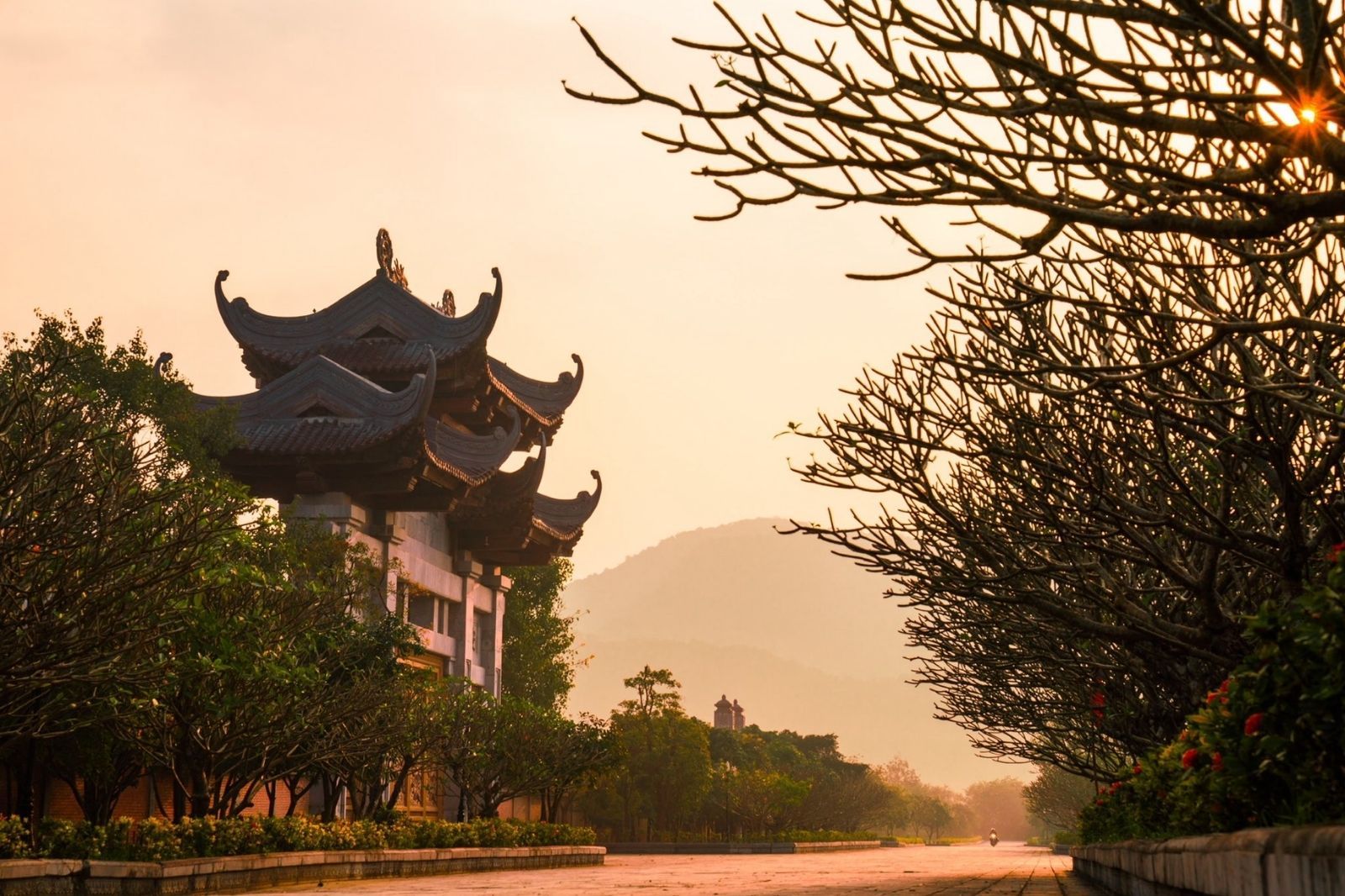
Bai Dinh Pagoda is the largest pagoda in Southeast Asia
Photo: Bai Dinh Pagoda is the largest pagoda in Southeast Asia 

But the history of Bai Dinh Pagoda truly originates from the legend of Zen Master Nguyen Minh Khong (1059-1141), a famous Ly Dynasty national master renowned for his medical talents and casting Buddha statues. Legend has it that after curing King Ly Than Tong with the "cycad plant" medicine from Bai Dinh dark cave, he decided to practice Buddhism here. In 1136, Nguyen Minh Khong founded the ancient pagoda on top of the mountain, turning Bai Dinh into a "Buddhist land" with sacred caves: Bright Cave worshipping Buddha and Cao Son deity (protector of the Hoa Lu citadel wall), Dark Cave worshipping Mother Goddess of the Forest and the Jade Well – an endless water source symbolizing longevity. These thrilling stories not only enrich the history of Bai Dinh Pagoda but also confirm the role of Buddhism as the state religion during the Ly Dynasty, contributing to the revival of national culture after the Northern domination period.
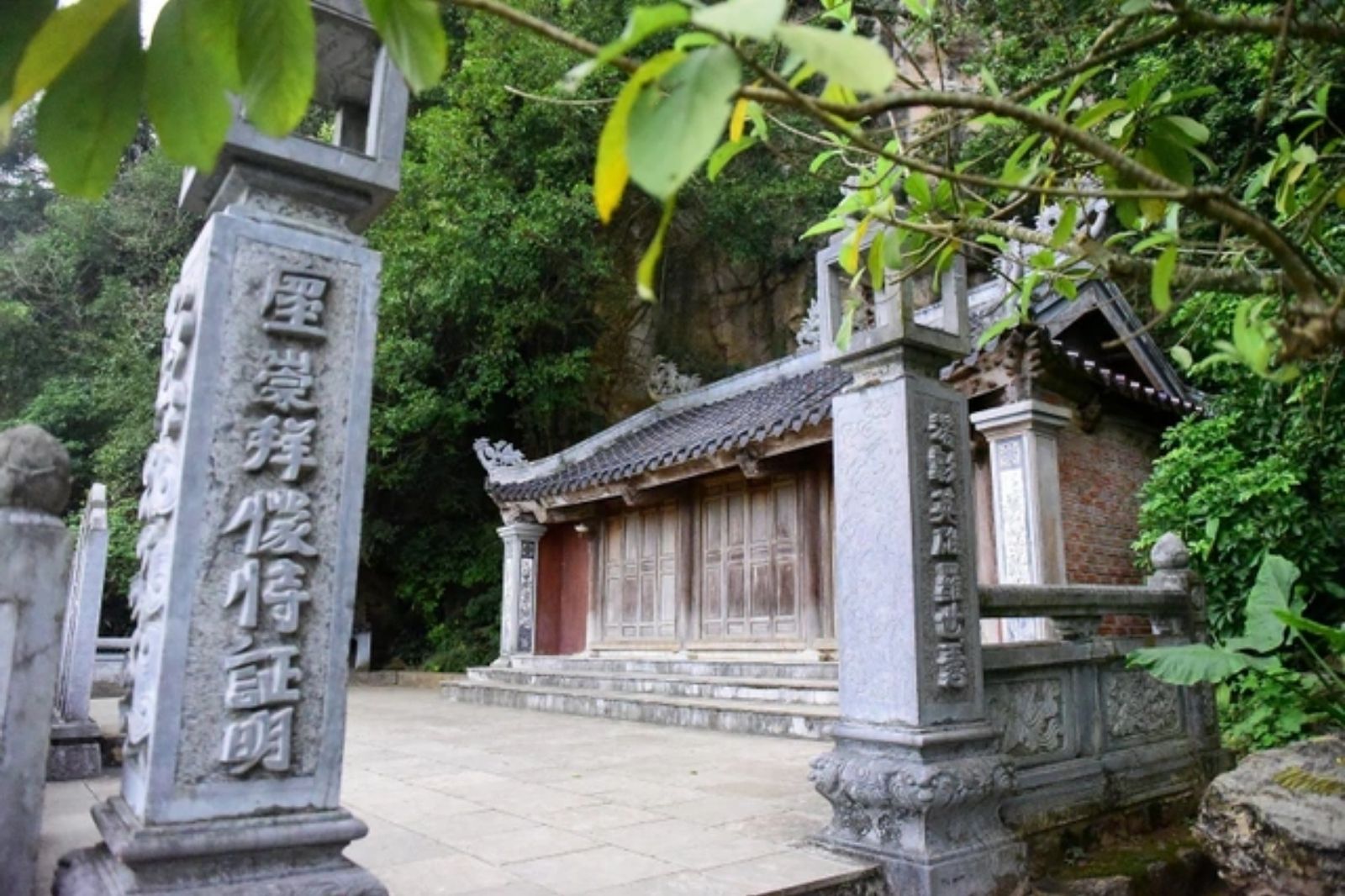
2. Ancient Bai Dinh Pagoda

Ancient Bai Dinh Pagoda, located about 800m south of the new pagoda complex, is living proof of the history of Bai Dinh Pagoda from the Dinh - Early Le to the Ly dynasties. Although only foundations and a few structures remain after being destroyed multiple times (due to war and time), it still retains its serene atmosphere atop the 181m high mountain, facing west towards the ancient capital of Hoa Lu.

Key highlights include:

  • Saint Cao Son Temple: The place worshipping the deity guarding the West of Hoa Lu capital, associated with Dinh Bo Linh.
  • Bright Cave and Dark Cave: Bright Cave is 25m long and 15m wide, where Nguyen Minh Khong practiced Buddhism; Dark Cave is vast with 7 stone chambers and the Jade Well – recognized as the largest well in Vietnam in 2007, 30m wide, 6m deep, with water that never runs dry.
  • Saint Nguyen Altar: Commemorating the merits of the Zen master who laid the foundation for the Y Yen bronze casting trade – a famous craft village in Ninh Binh.

In 1997, the ancient pagoda was recognized as a National Historical - Cultural - Revolutionary Relic, affirming its historical value through three major dynasties: Dinh, Le, and Ly. This is not only a pilgrimage site but also a "living museum" documenting the journey of Vietnamese Buddhism against foreign invaders and cultural development.

Ancient Bai Dinh Pagoda
Photo: Ancient Bai Dinh Pagoda  

3. The Establishment of the New Bai Dinh Pagoda

If the ancient pagoda represents the past, the new Bai Dinh Pagoda is the brilliant future of Vietnamese Buddhism. Construction began in 2003 by Xuan Truong Group (now FLC), a project aiming to restore and expand the relic with a budget of thousands of billions of VND and a 70-year operational term. By 2010, the pagoda was inaugurated on the occasion of the 1,000th Anniversary of Thang Long - Hanoi, becoming the largest pagoda in Southeast Asia with an area of 80 hectares (the entire complex covers 700 hectares).

New pagoda architecture was designed by architect Hoang Dao Kinh using traditional materials: Ninh Binh bluestone, ironwood, and Bat Trang tiles, creating harmony between antiquity and modernity. Main features:

  • Tam Quan Gate: 16.5m high, majestically welcoming visitors.
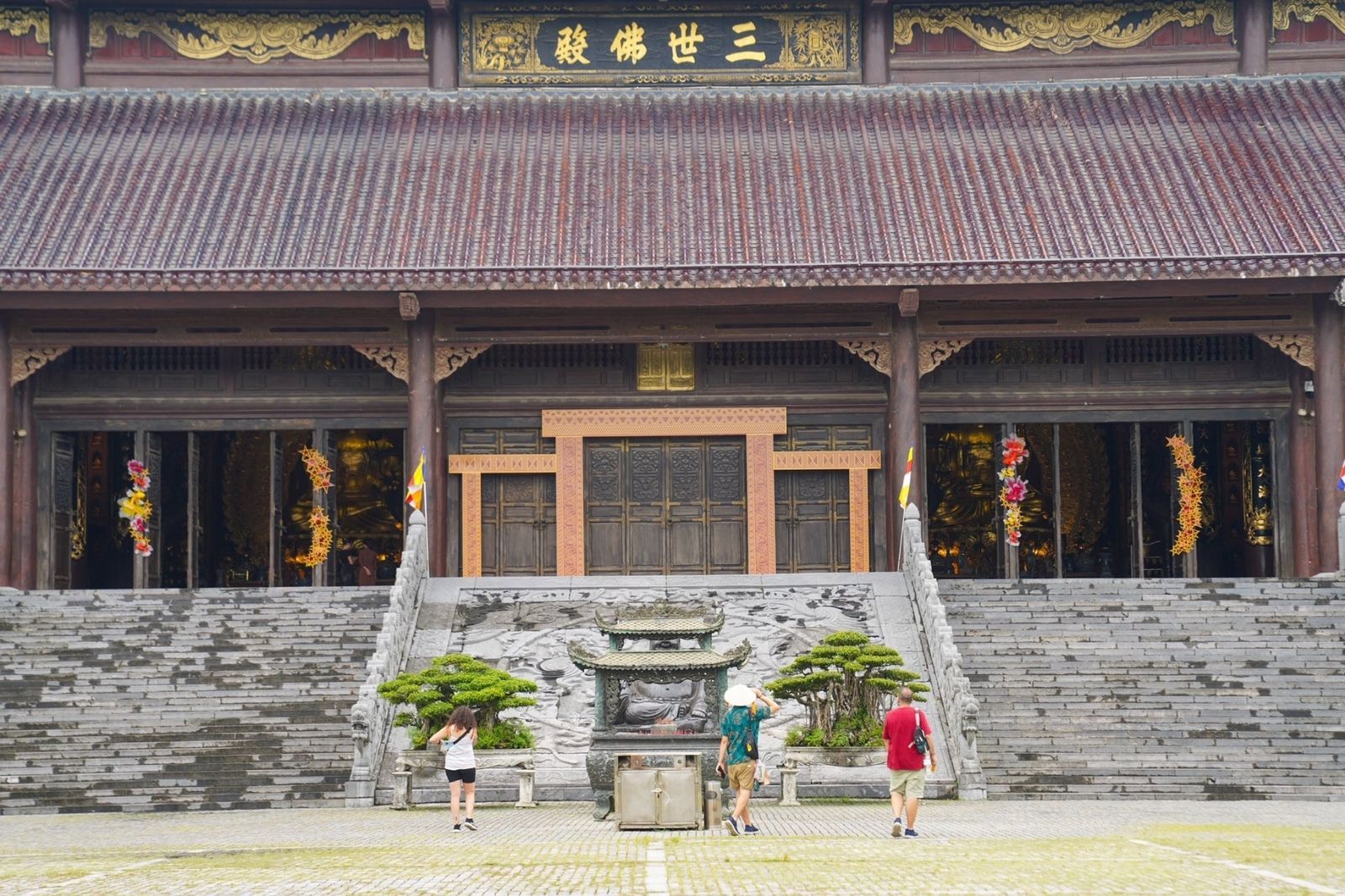
  • Tam The Hall: Covering 2,370m², worshipping the set of bronze Tam The statues weighing 50 tons each.
  • Phap Chu Hall: Housing the largest gold-plated bronze Shakyamuni Buddha statue in Asia (100 tons, 10m high).
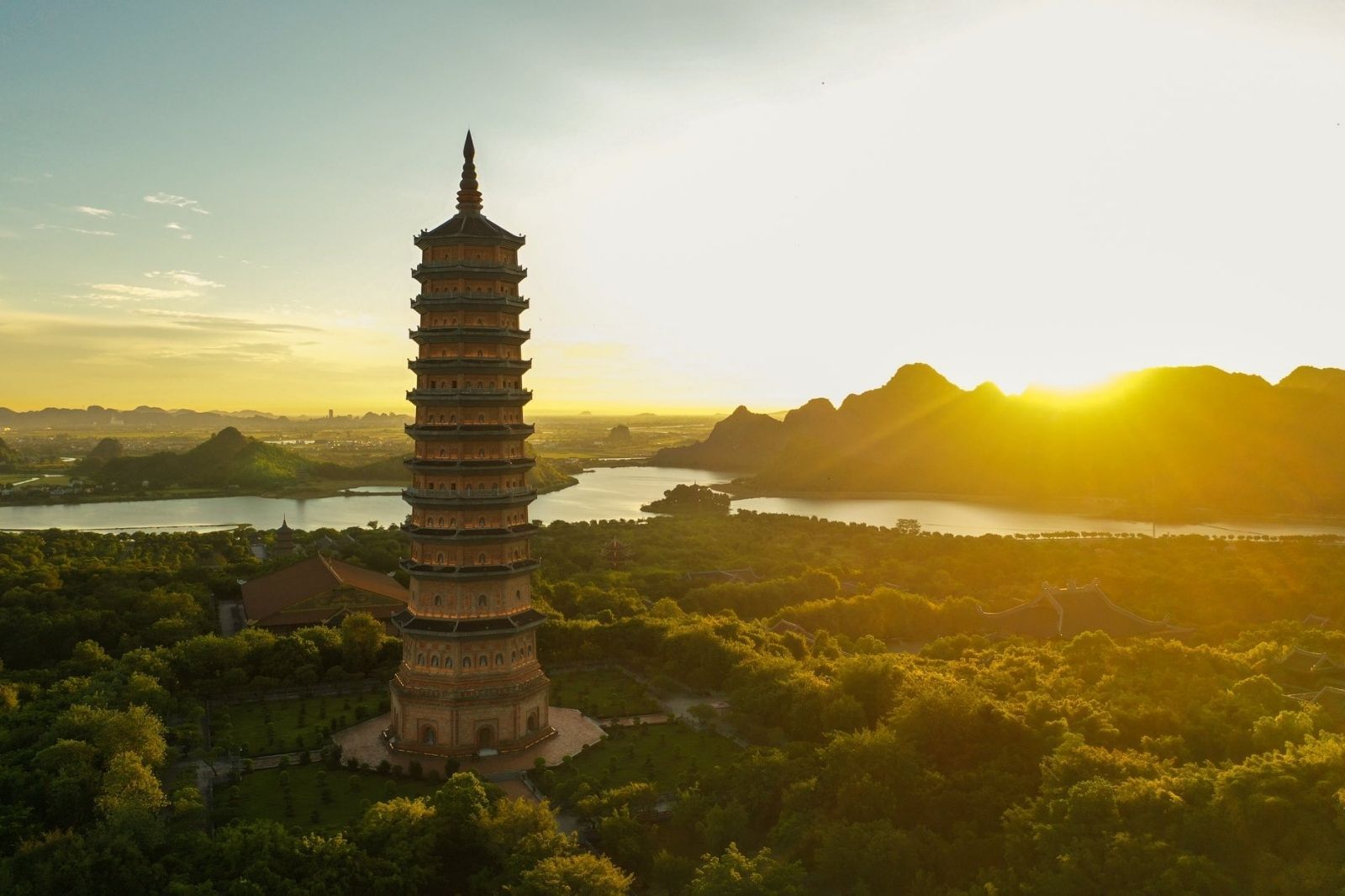
  • Stupa: 100m high with 13 stories, preserving Buddha relics from India and Myanmar.

The construction process was open for visitors, turning Bai Dinh into a vibrant spiritual tourism destination that attracts millions of visitors every year.

Tam The Hall at New Bai Dinh Pagoda
Photo: Tam The Hall at New Bai Dinh Pagoda  

4. Impressive Records of Bai Dinh Pagoda

Bai Dinh Pagoda is not only large in area but also holds many Asian and Vietnamese records, affirming its position as the "largest pagoda in Southeast Asia" in terms of overall scale:

  • Largest gold-plated bronze Buddha statue in Asia: Phap Chu (Shakyamuni) Buddha statue weighing 100 tons in Phap Chu Hall.
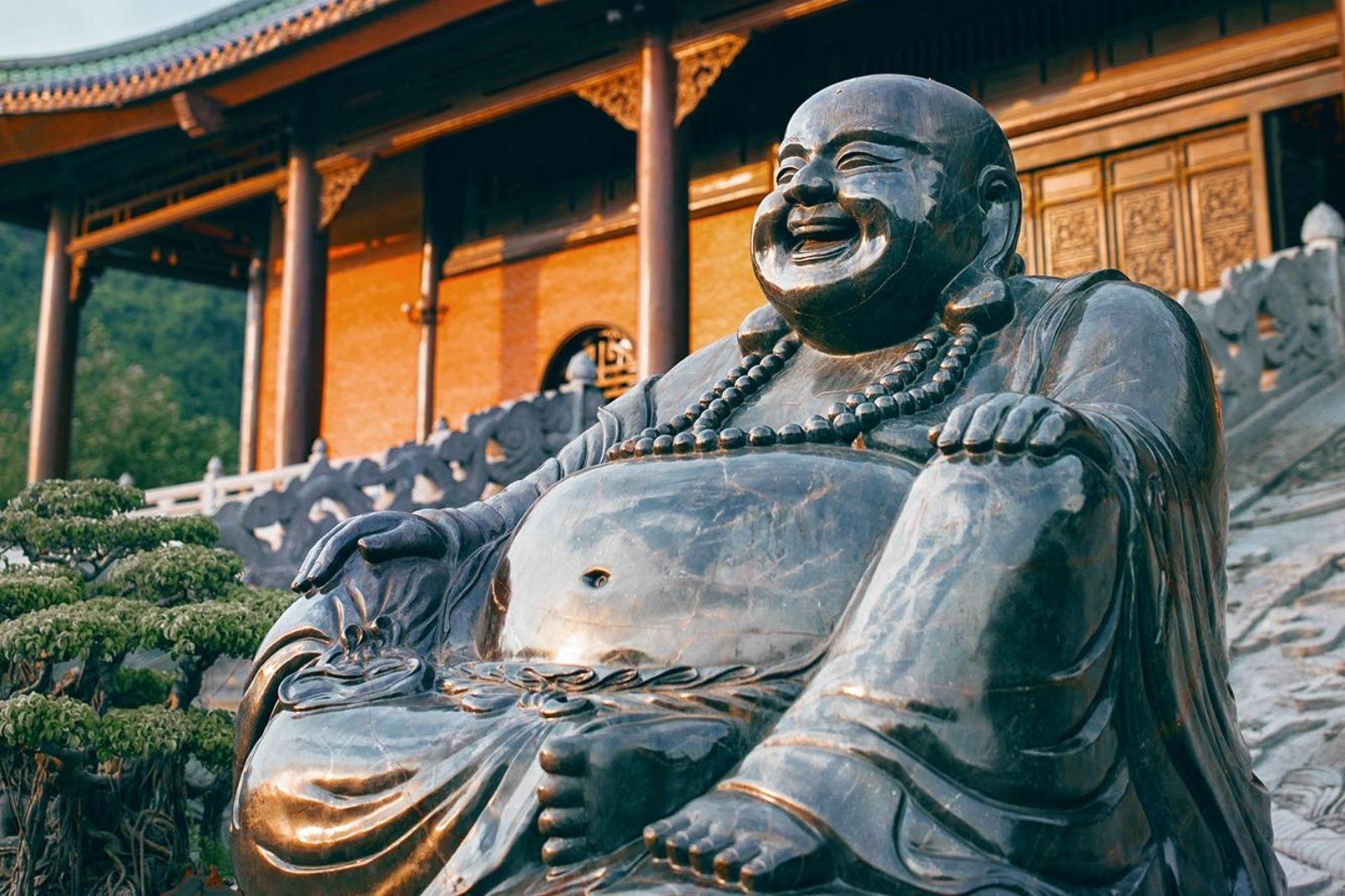
  • Largest bronze Maitreya Buddha statue in Southeast Asia: Weighing about 100 tons, placed outdoors.
  • Longest Arhat Corridor in Asia: Nearly 3 km (1,052 m), with 500 Arhat statues made of Ninh Binh bluestone (each statue is 2–2.5 m high, weighing 2–4 tons), each with a unique posture and expression.
  • Largest bronze bell in Vietnam: Great Sacred Bell weighing 36 tons in the Bell Tower.
  • Tallest Stupa in Asia: Over 100 m high, 13 stories, storing Buddha relics from India and Myanmar.
  • Largest pagoda area in Vietnam: Totaling 539 hectares.
  • Other records: Largest bronze Thousand-Armed Thousand-Eyed Avalokiteshvara statue in Vietnam, largest set of Tam The Buddha statues, highest number of Bodhi trees...

These records not only honor its scale but also emphasize its artistic value, contributing to Bai Dinh's inclusion in the Trang An World Heritage Site (UNESCO 2014).

Maitreya Buddha statue at Bai Dinh Pagoda
Photo: Maitreya Buddha statue at Bai Dinh Pagoda  

5. Cultural Values and Festivals at Bai Dinh Pagoda

Not only is it a famous large pagoda complex in Ninh Binh, but Bai Dinh Pagoda is also considered one of the important Buddhist centers in Vietnam, associated with many international cultural and spiritual events. It was the venue for the 2014 United Nations Day of Vesak, welcomed Buddha relics from India in 2010, and hosted numerous heads of state and high-level delegations for visits and worship.

In addition to its spiritual significance, Bai Dinh Pagoda is also a work of great historical, architectural, and traditional artistic value. Many items in the complex were crafted by famous trade villages such as Y Yen bronze casting or Ninh Van stone carving, contributing to a majestic beauty that remains deeply imbued with Vietnamese cultural identity. With the combination of a sacred spiritual space and unique cultural values, Bai Dinh Pagoda is a must-visit destination on any journey to explore Ninh Binh.

Stupa at Bai Dinh Pagoda
Photo: Stupa at Bai Dinh Pagoda 

It can be said that the history of Bai Dinh Pagoda is the very soul creating the eternal charm of this landmark. The grandeur of the largest pagoda in Southeast Asia will surely leave anyone stepping foot here overwhelmed and proud. This is an unmissable destination on a lifetime travel map. If you want a relaxed trip without worrying about prices and being taken care of "from A to Z", trust Sovaba Travel. With an in-depth and dedicated Bai Dinh Pagoda tour itinerary, Sovaba Travel promises to bring you the most emotionally fulfilling pilgrimage. 

Loading......

Featured destinations