Ho Chi Minh Museum in Hue: History, Artifacts & Visitor Guide

Central

Thua Thien Hue

Sovaba.travel

Updated at: 14/10/2026

1. Where is the Ho Chi Minh Museum Located in Thua Thien Hue?

Located along the Perfume River at 07 Le Loi Street, the Ho Chi Minh Museum in Hue City is a cultural and historical destination preserving valuable records of President Ho Chi Minh’s deep bond with the ancient capital. It is one of the premier destinations for visitors seeking a better understanding of his youth, the years he lived and studied in Hue, and the historical context that forged the patriotism of the young Nguyen Tat Thanh.

The museum is a member of the nationwide system of museums and commemorative sites dedicated to President Ho Chi Minh. The research, collection, preservation, exhibition, and promotion of heritage related to him in connection with Hue are carried out through various professional activities, from presenting archival documents and artifacts to organizing thematic exhibitions. In addition, the institution manages, preserves, and promotes commemorative relics dedicated to President Ho Chi Minh across the region, including sites associated with his youth.

Visitor Information for Ho Chi Minh Museum in Hue City

  • Address: 07 Le Loi, Thuan Hoa Ward, Hue City.

  • Reference Opening Hours: Tuesday to Sunday, morning from 07:30–11:30, afternoon from 13:00–17:00.

  • Admission: Free

  • Contact Phone: 0234 3845217 – 0234 3822152.

With its convenient central location, visitors can easily combine a trip to the museum with nearby attractions such as the Perfume River, Trang Tien Bridge, and other cultural landmarks in the city. Before your visit, it is advisable to contact the museum to confirm opening hours and the latest visiting details.

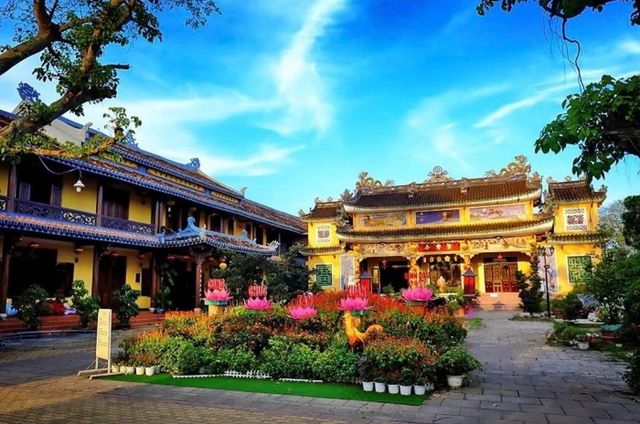
Outside the grounds of the Ho Chi Minh Museum

Photo: Outside the grounds of the Ho Chi Minh Museum

2. History and Development

Throughout President Ho Chi Minh's life journey, Hue holds extraordinary memories of his childhood and youth. Living here with his family for nearly ten years across two periods (1895–1901 and 1906–1909), he gained profound experiences in a land rich in cultural tradition, history, and patriotic spirit. Those years became an inseparable chapter in the coming-of-age journey of the young Nguyen Tat Thanh before he stepped out into the world to seek national liberation.

From that historical connection, the Ho Chi Minh Museum in Hue City was established as a place to safeguard memories and preserve his legacy in the ancient capital. Over time, the museum has continuously been built, expanded, and developed, ensuring that stories of Uncle Ho continue to be told through documents, photographs, and artifacts for present and future generations.

  • 1979–1980: The Binh Tri Thien Provincial Party Committee decided to establish an Exhibition House on the life and career of President Ho Chi Minh. On September 16, 1980, the museum was officially established under Decision No. 486/QD-TU, marking the beginning of the collection, preservation, and presentation of documents about him in the locality.

  • June 30, 1982: The museum became an official member of the nationwide system of Ho Chi Minh Museums and Commemorative Sites. This was an important milestone, facilitating the preservation and promotion of his heritage in Hue in close coordination with museums and memorial sites across the country.

  • 1989: Following the administrative split of Binh Tri Thien Province, the institution was renamed the Ho Chi Minh Museum of Thua Thien Hue. The new name reflected the museum's scope of operations within the administrative boundaries of that period.

  • 1998–2000: Reconstruction of the museum commenced on May 19, 1998, and was inaugurated on May 19, 2000, commemorating the 110th anniversary of President Ho Chi Minh's birth. This event ushered in a new era in organizing exhibition spaces, serving the public, and enhancing historical preservation efforts.

  • 2007: The museum was recognized as a Class II museum, honoring the institution's growth and development within the specialized network of Ho Chi Minh museums.

  • From January 1, 2025: In line with administrative adjustments, the museum was named the Ho Chi Minh Museum of Hue City, continuing its mission of conserving and promoting the heritage of President Ho Chi Minh associated with the region.

The Bronze Statue of President Ho Chi Minh

Set within the solemn atmosphere of the museum, the full-body statue of President Ho Chi Minh stands as a deeply meaningful centerpiece. Standing 1.95 meters tall and weighing approximately 400 kg, the statue was cast in 2000 from bronze donated by the people, cadres, and Party members of Thua Thien Hue during the “Each Person, A Drop of Bronze” campaign.

Crafted by sculptor Nguyen Vu An and cast by artisans of the Hue Bronze Casting Village, the artwork took shape from metal contributions offered with heartfelt reverence, embodying the deep affection of the people of Hue for the beloved leader. The statue's value lies not only in its form and sculptural artistry, but also in the united spirit of the community gathered to create a dignified memorial space.

Selected artifacts inside the museum

Photo: Selected artifacts inside the museum

3. Exploring Exhibition Spaces and Precious Artifacts

Entering the Ho Chi Minh Museum in Hue City, visitors have the opportunity to trace the milestones of President Ho Chi Minh's life and revolutionary career through photographs, documents, and artifacts preserved across generations. Each exhibition space presents a distinct historical chapter, from the years he lived with his family in Hue to his journey searching for national salvation, leading the revolution, and the profound affection that the people held for their beloved leader.

Permanent Exhibitions

The permanent display is curated chronologically, helping visitors clearly visualize the evolution of a patriotic young man into the preeminent leader of the Vietnamese revolution.

  • Childhood and Youth (1890–1911): The period when Uncle Ho began his patriotic activities.

  • Finding the Path to National Liberation (1911–1920): The journey across the world, discovering the path for national salvation based on Marxism-Leninism.

  • Founding the Communist Party of Vietnam (1920–1945): Revolutionary activities and leading the general uprising to establish the People's Democratic State.

  • Leading the Resistance Wars (1945–1969): Guiding the nation to victory in the resistance wars against French and American forces.

  • Uncle Ho's Enduring Legacy (1969 to present): The influence and timeless value of Ho Chi Minh's thought in building modern Vietnam.

Thematic Exhibitions

The museum regularly hosts thematic exhibitions that enrich the visitor experience:

  • Ho Chi Minh – Portrait of a Man: Portraying Uncle Ho from multifaceted perspectives, thereby fostering the movement to learn and follow his style and moral example.

  • Hue Folk Artisans and President Ho Chi Minh: Showcasing exquisite artworks created by Hue artisans dedicated to Uncle Ho, reflecting the deep reverence of the ancient capital's people.

Notable Artifact Collections

The appeal of the museum also lies in artifacts intimately tied to President Ho Chi Minh's life and his devotion to the people. Each conserved relic holds distinct value, making history tangible through physical remnants of the past.

Notable collections and displays include:

  • Collection of gifts from President Ho Chi Minh to the people of Hue: Approximately 154 items dating from 1945–1969, reflecting Uncle Ho's care and affection for the local community.

  • Collection of postcards and photographic prints of Uncle Ho: Around 250 items, helping reconstruct the portrait of President Ho Chi Minh across various historical periods and documentary angles.

  • Relics associated with memories of Uncle Ho: Badges, embroidered scarves bearing the words “Uncle's Gift”, embroidered portraits, a K59 pistol, a solo tea set, and a wooden bed platform in the central bay of the Duong No Memorial House.

Statue of Uncle Ho exhibited inside the museum
Photo: Statue of Uncle Ho exhibited inside the museum
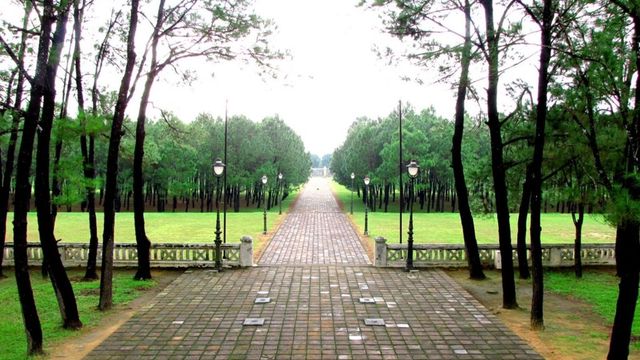
To gain a deeper appreciation of President Ho Chi Minh's formative years in Hue, visitors can combine their museum tour with sites once marked by his and his family's footsteps. Each monument tells its own story, from the everyday life in the ancient capital to his school years, the evolution of his ideals, and the coming of age of the young Nguyen Tat Thanh.

Depending on your schedule and departure point, you can consider the following two itineraries:

  • Itinerary 1: Ho Chi Minh Museum > Quoc Hoc Hue High School > 112 Mai Thuc Loan Historical Site > Duong No Monument Complex > Burial site of Madame Hoang Thi Loan.

  • Itinerary 2: 112 Mai Thuc Loan Historical Site > Duong No Monument Complex > Former French Residency Superior of Annam Site (Hue University of Education) > Quoc Hoc Hue High School > Ho Chi Minh Museum.

These itineraries typically take half a day, allowing you to explore significant historical landmarks where Uncle Ho lived, studied, and engaged in activities.

Visiting Tips:

  • Dress neatly and respectfully.

  • Leave large luggage at the reception/security desk.

  • Comply with all museum rules and staff instructions.

  • Group visitors should register in advance for the best assistance.

The Ho Chi Minh Museum in Thua Thien Hue is not merely a sightseeing destination, but also a center for patriotic education and national pride. It is an unmissable destination for anyone wishing to gain deep insights into the extraordinary life of Uncle Ho and modern Vietnamese history.

Artifacts and stories associated with Uncle Ho's life

Photo: Artifacts and stories associated with Uncle Ho's life

A stop at the Ho Chi Minh Museum in Hue offers visitors not only the chance to admire invaluable artifacts and historical documents, but also to relive heroic historical chapters of the nation intertwined with Uncle Ho's life. This journey is more than an inquiry into the past; it serves as a profound reflection on patriotism, resilient will, and President Ho Chi Minh's lifelong dedication to the country and its people. The museum stands as an inspiring beacon of national pride, reminding each visitor of the noble values and path charted by the revered leader.

Featured destinations