Top 5 "timeless" traditional craft villages in Hoi An you must visit

Central

Da Nang

Hoi An

Sovaba.travel

Updated at: 24/09/2026

1. Thanh Ha Pottery Village

Thanh Ha Pottery Village is one of the oldest traditional craft villages in Hoi An, with a history of over 500 years dating back to the mid-16th century. The village developed strongly as the Hoi An trading port prospered, and on August 7, 2022, it was recognized as a National Intangible Cultural Heritage. Located along the banks of the Thu Bon River, the village specializes in producing raw terracotta pottery from clay, molded and crafted entirely by hand, including items such as household utensils, roofing tiles, and unique artistic works.

When visiting, you can tour the workshop facilities, try hands-on pottery making at the terracotta park, and take check-in photos along the baked brick path or under ancient roofs. This is a wonderful opportunity to understand the handcrafted production process, from gathering clay to firing the finished products.

  • Location and how to get there: The village is located on Pham Phan Street, Block 5, Thanh Ha Ward, Hoi An City, about 3 km west of the ancient town. You can travel by bicycle, motorbike, or taxi from central Hoi An, taking only about 10-15 minutes. 
  • Opening hours: 8:30 AM – 5:30 PM, entrance fee is around 15,000 – 30,000 VND/person, which includes hands-on activities.
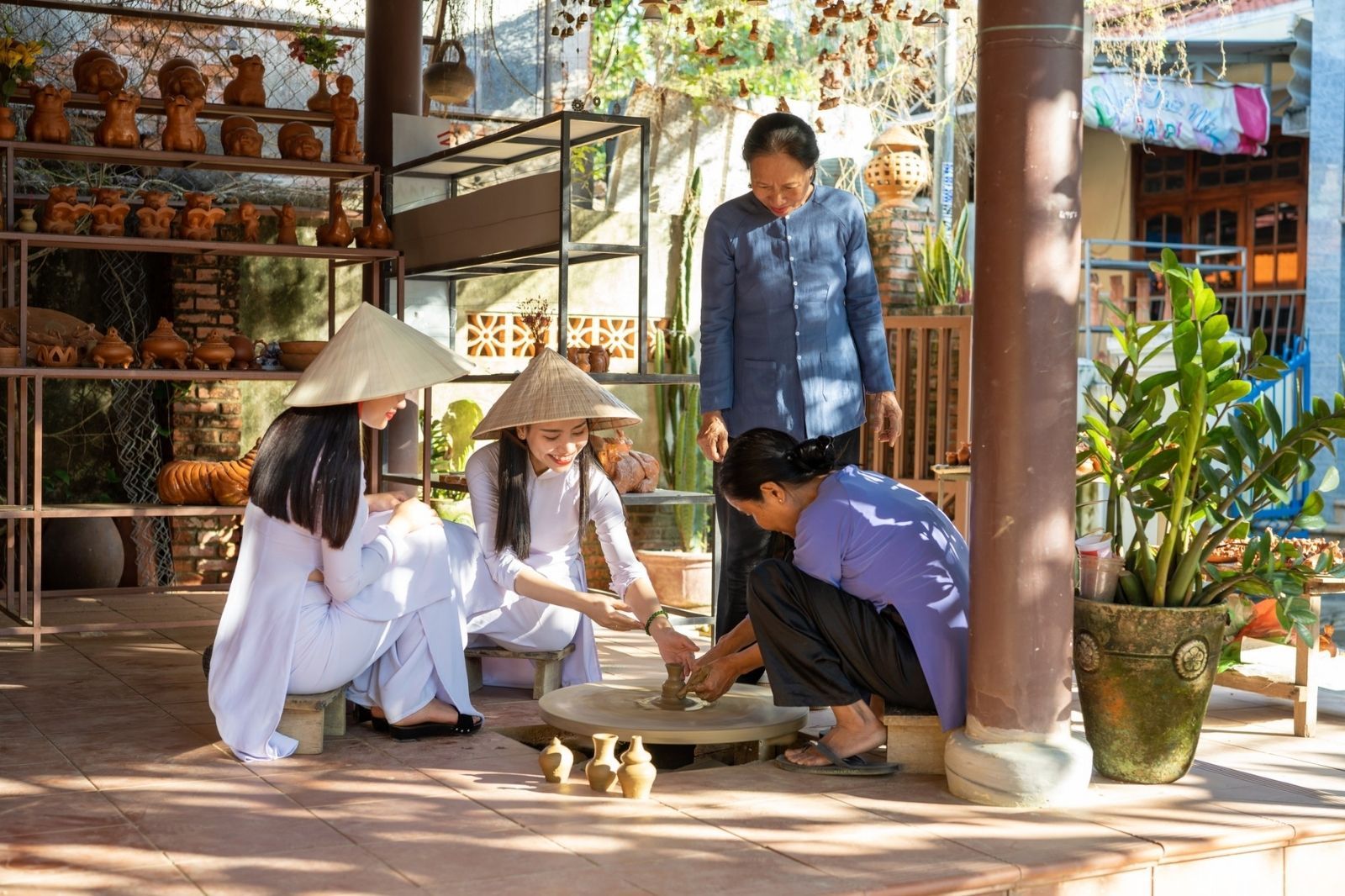
Thanh Ha Pottery Village
Photo: Thanh Ha Pottery Village 

2. Kim Bong Carpentry Village

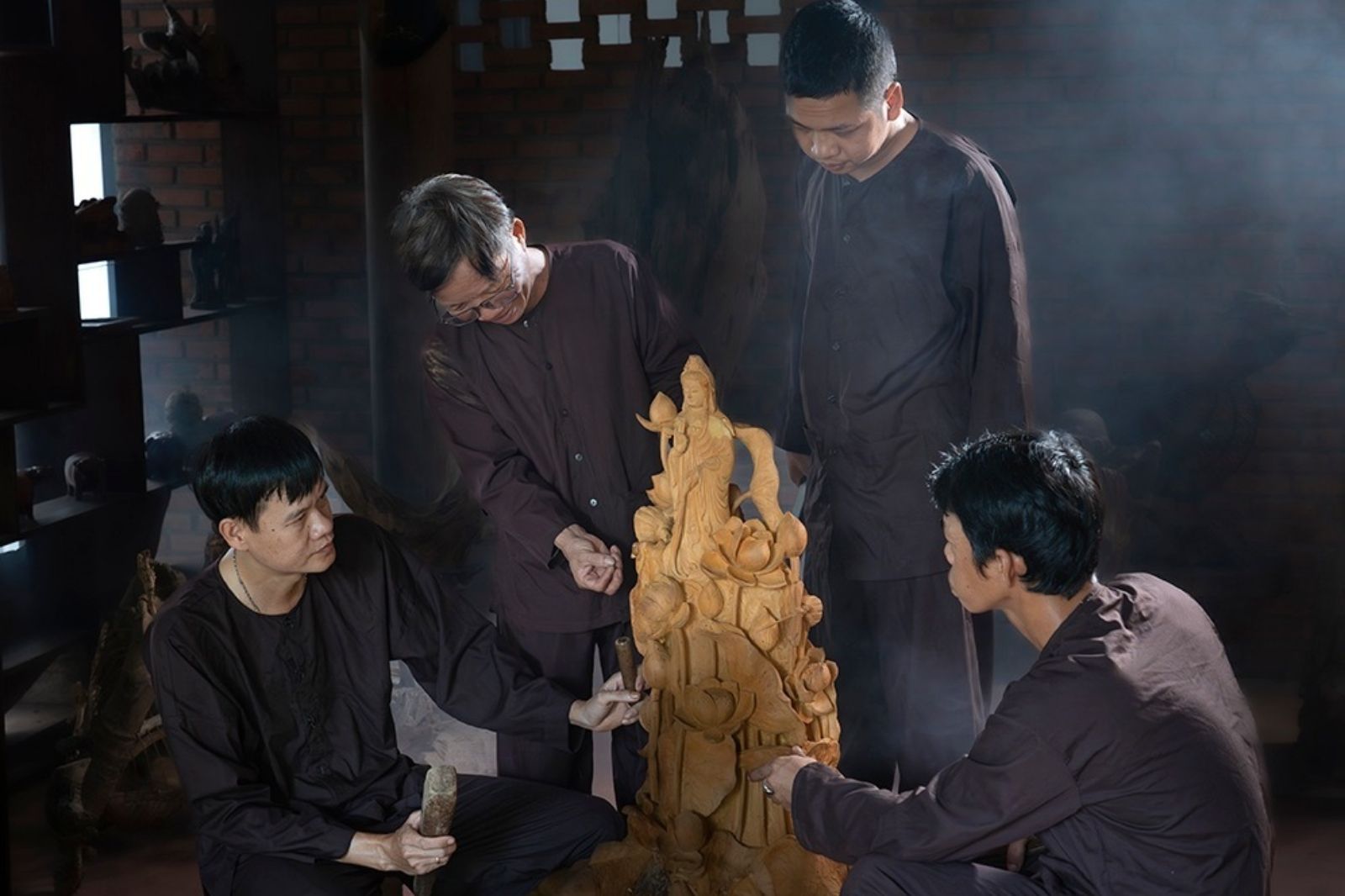
Kim Bong Carpentry Village (formerly known as Kim Bong Chau) dates back to the 15th century, when artisans from the North migrated here and developed the woodworking craft thanks to its favorable location along the Thu Bon River. Carpentry here once contributed to building the imperial capital of Hue under the Nguyen Dynasty, with wood products renowned for their light, rustic yet sophisticated style, little influenced by feudal constraints.

Main products include furniture, timber frame houses, boats, and fine handicrafts. The village was once famous throughout Dang Trong (Cochinchina) through trade via the Hoi An commercial port. Visitors can visit woodworking workshops, witness artisans carving, and shop for wooden items as souvenirs. This is an ideal place to learn about traditional woodworking techniques and feel the fusion of Eastern and Western cultures.

  • Location and how to get there: Address at Nong Thon Street, Trung Ha Hamlet, Cam Kim Commune, Hoi An City, located on the right bank of the lower Thu Bon River, opposite the ancient town. You can take a boat across the Hoai River or go by motorbike, about 2-3 km from the center. Opening hours: 7:00 AM – 5:00 PM.
Kim Bong Carpentry Village
Photo: Kim Bong Carpentry Village 

3. Tra Que Vegetable Village

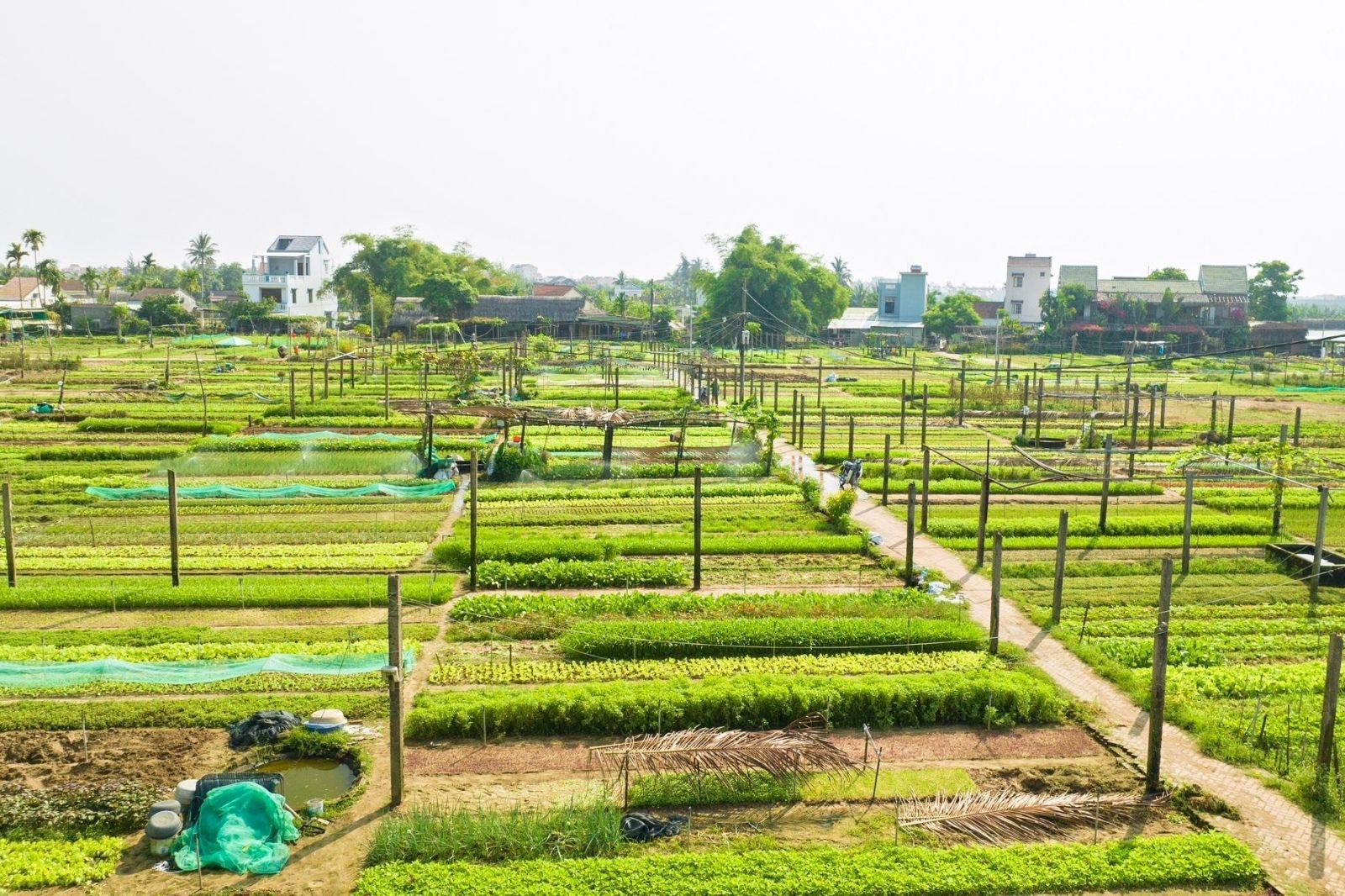
With a history of over 400 years, Tra Que Vegetable Village was recently recognized as a National Intangible Cultural Heritage. The village spans approximately 18-40 hectares, with over 130-200 households growing rotated crops using organic seaweed fertilizer from the Co Co River, creating unique sour, spicy, sweet, bitter, and astringent flavors.

The highlighted products are more than 20 types of leafy vegetables and herbs, which once supplied merchant sailors in the past and today serve as a source of clean vegetables for Hoi An and neighboring areas. Experiential activities include walking through vegetable rows, learning traditional farming methods, harvesting vegetables, and even joining a cooking class with fresh ingredients. This is an ideal destination for lovers of ecotourism and healthy cuisine.

  • Location and how to get there: Tra Que Hamlet, Cam Ha Commune, Hoi An City, about 3 km from the ancient town. Getting there by bicycle or motorbike is very convenient, especially in the morning to enjoy the fresh air.
Tra Que Vegetable Village
Photo: Tra Que Vegetable Village 

4. Hoi An Silk Village

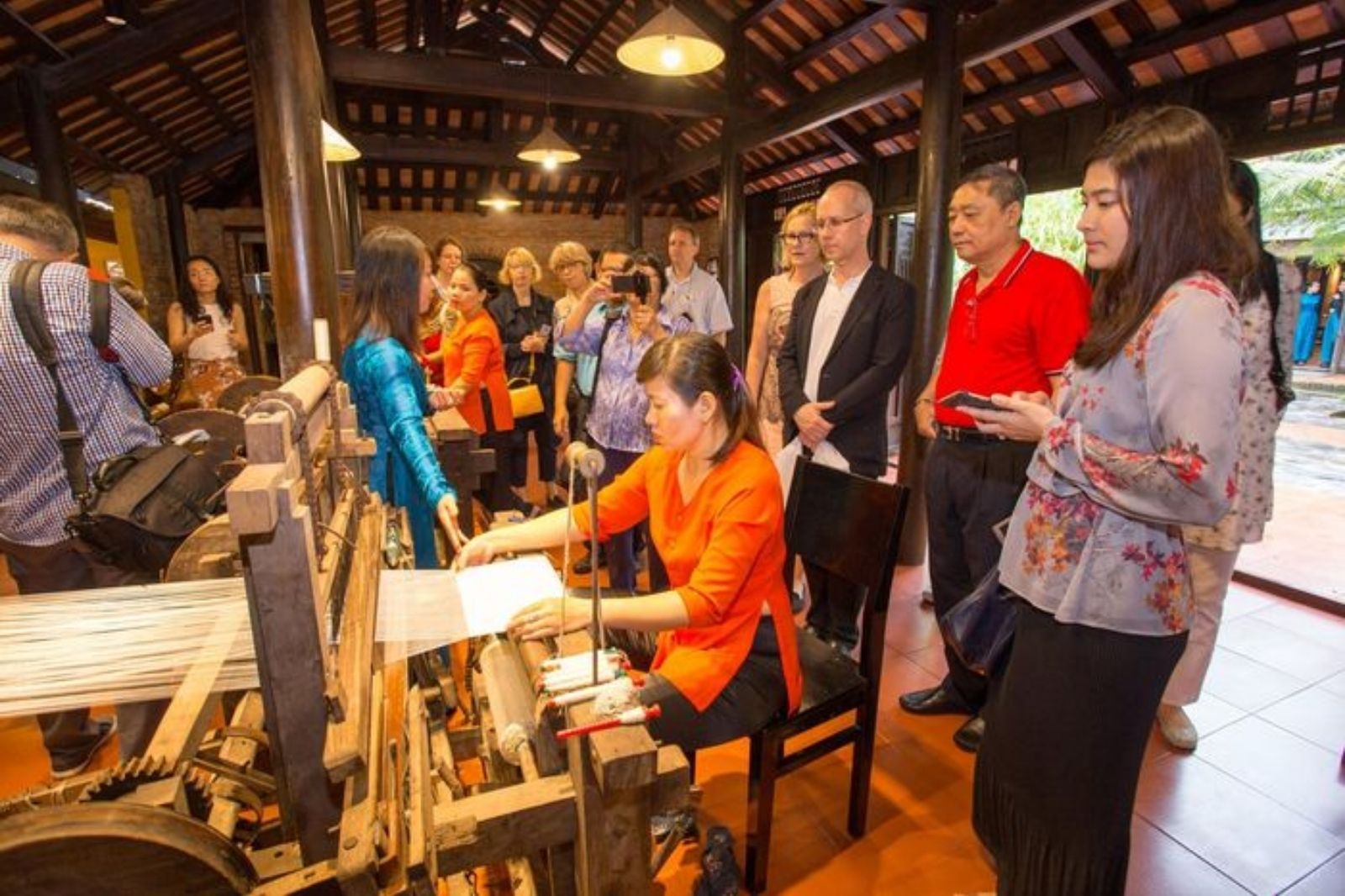
Hoi An Silk Village is a living testament to the ancient Vietnamese art of sericulture and silk weaving, with a history tied to the era of international trade. It is not only a production facility but also a museum showcasing silkworm breeds, mulberry trees, and traditional handweaving tools.

Main products are soft, smooth, durable, and beautiful silks, used to tailor clothes, scarves, and fashion items. The village still uses traditional looms to weave every meter of fabric. Visitors can experience picking mulberry leaves, feeding silkworms, handweaving silk, and wearing traditional silk garments to stroll around the village. The village often hosts cultural festivals featuring cultural experts, helping you gain deep insights into its cultural values.

  • Location and how to get there: No. 28 Nguyen Tat Thanh, Hoi An City, located right within the ancient town area. You can walk or ride a bike from the center, which is very easily accessible.
Hoi An Silk Village
Photo: Hoi An Silk Village 

5. Hoi An Lantern Making Village

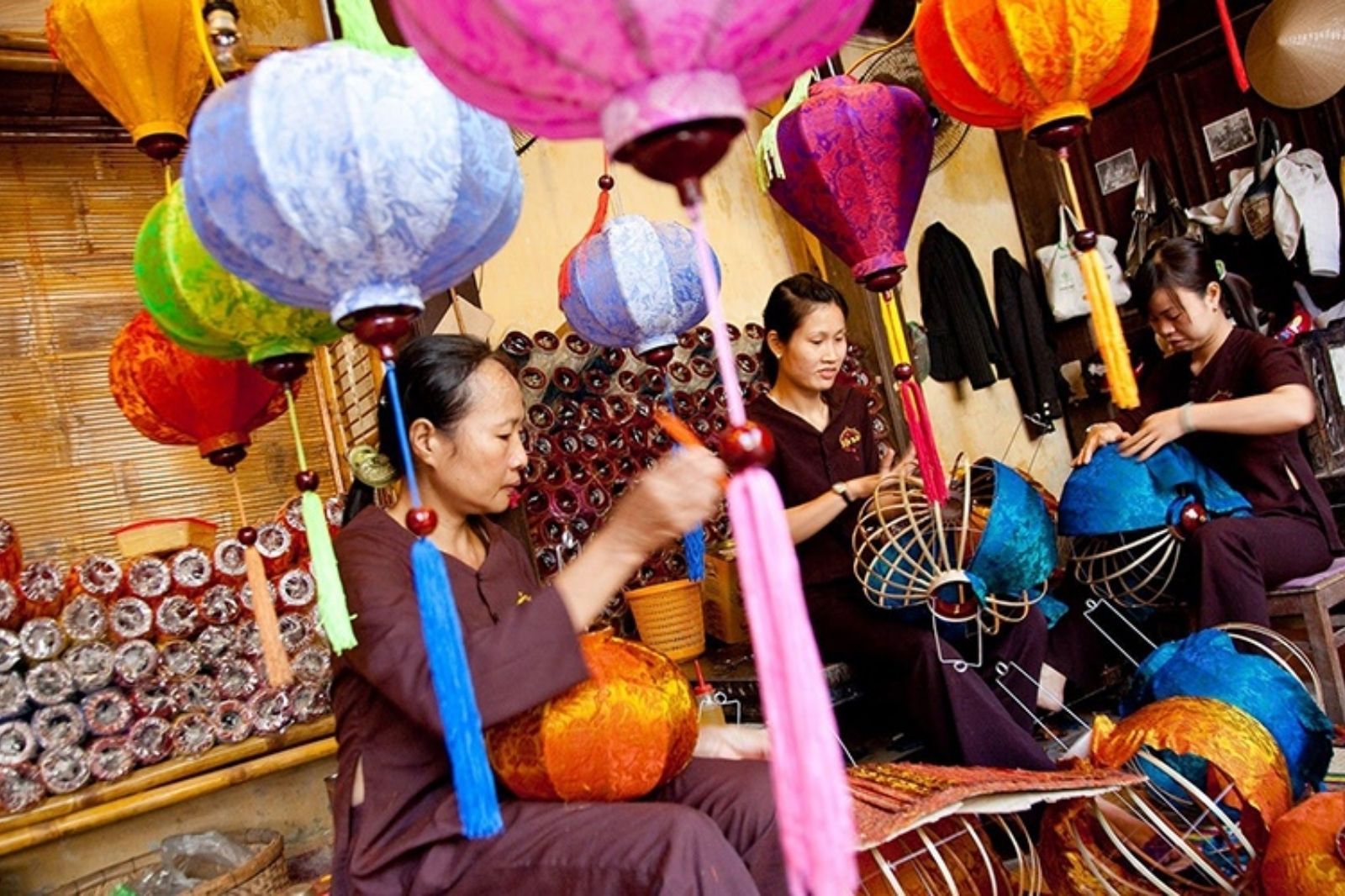
The craft of Hoi An lantern making has a history spanning over 400 years, originating in the 17th century and recognized as a typical Vietnamese craft village in 2011. Through the ups and downs of time, lantern making is still preserved and developed with around 32 production facilities, contributing to the iconic image inseparable from Hoi An Ancient Town. Lanterns appear during Tet holidays, weddings, and cultural events, symbolizing good luck and family reunion.

Lantern products stand out for their variety of shapes, such as spheres, teardrops, cylinders..., combined with vibrant colors and delicate patterns on silk fabric. Each lantern is the result of a meticulous crafting process, from selecting bamboo, bending frames, stretching fabric to finishing details. Visitors can visit workshops, learn to make lanterns firsthand, and purchase products as souvenirs. The popular experience cost is around 100,000 VND/person, including the finished product.

  • Location and how to get there: Scattered throughout the ancient town, such as Ha Linh Workshop at 72 Tran Nhan Tong or Huynh Van Ba at 15A Phan Dinh Phung. Easily walkable from anywhere in Hoi An.
Hoi An Lantern Making Craft
Photo: Hoi An Lantern Making Craft 

The traditional craft villages in Hoi An are not just sightseeing destinations, but also a journey back in time—where you can clearly feel the cultural essence, the dexterity of artisans' hands, and the spirit of preserving heritage through generations. Each craft village has its own story, contributing to the depth and unique identity of Hoi An, making your trip more than just "sightseeing," but an experience of discovery and understanding. To fully explore these craft villages conveniently, efficiently, and richly, you can choose an all-inclusive Hoi An tour with Sovaba Travel. The itinerary is thoughtfully designed, combining visits to the ancient town, traditional craft villages, and special local experiences alongside knowledgeable local culture guides. With Sovaba Travel, your trip to Hoi An will not only be complete in terms of destinations, but will also leave lasting value and unforgettable emotions.

Loading......

Featured destinations