Hue Royal Court Culture: Precious Heritage and Pride of the Nguyen Dynasty

Central

Thua Thien Hue

Hue Imperial Citadel

Hue Royal Antiquities Museum

Sovaba.travel

Updated at: 24/09/2026

1. Unique architectural heritage

The Complex of Hue Monuments, recognized as a UNESCO World Cultural Heritage site in 1993, is a clear testament to the remarkable development in architecture and urban planning under the Nguyen Dynasty. Structures such as the Hue Citadel, the Imperial City, the Forbidden Purple City, along with the system of royal tombs, all possess refined and majestic beauty, reflecting Eastern Feng Shui philosophy and supreme architectural artistry.

Admire the golden architecture of the Hue Citadel
Photo: Admire the golden architecture of the Hue Citadel

Hue Citadel: The Citadel was built according to French Vauban architecture while still retaining traditional Vietnamese royal court architectural features. With a total area of over 500 hectares, enclosed by a system of ramparts and moats, the Citadel housed royal court offices, shrines, and residences for royal family members. It served as the political, cultural, and social center of the entire dynasty.

Royal Tomb System: Each royal tomb is a unique architectural masterpiece, reflecting the personality and life philosophy of the resting emperor.

  • Minh Mang Tomb features a majestic and imposing beauty, showcasing the emperor's deep understanding of Confucianism.
  • Tu Duc Tomb boasts a romantic, poetic beauty, harmonizing with nature and reflecting the poetic soul of this monarch.
  • Khai Dinh Tomb is a unique fusion of Eastern and Western architecture, featuring exquisite carvings and mosaic work made of ceramic and glass.

It is the uniqueness and sophistication of these structures that turn the Ancient Capital of Hue into an unmissable destination, where visitors can immerse themselves in the atmosphere of a golden dynasty and fully appreciate the beauty of Vietnamese royal court architecture.
2. Hue Imperial Court Music

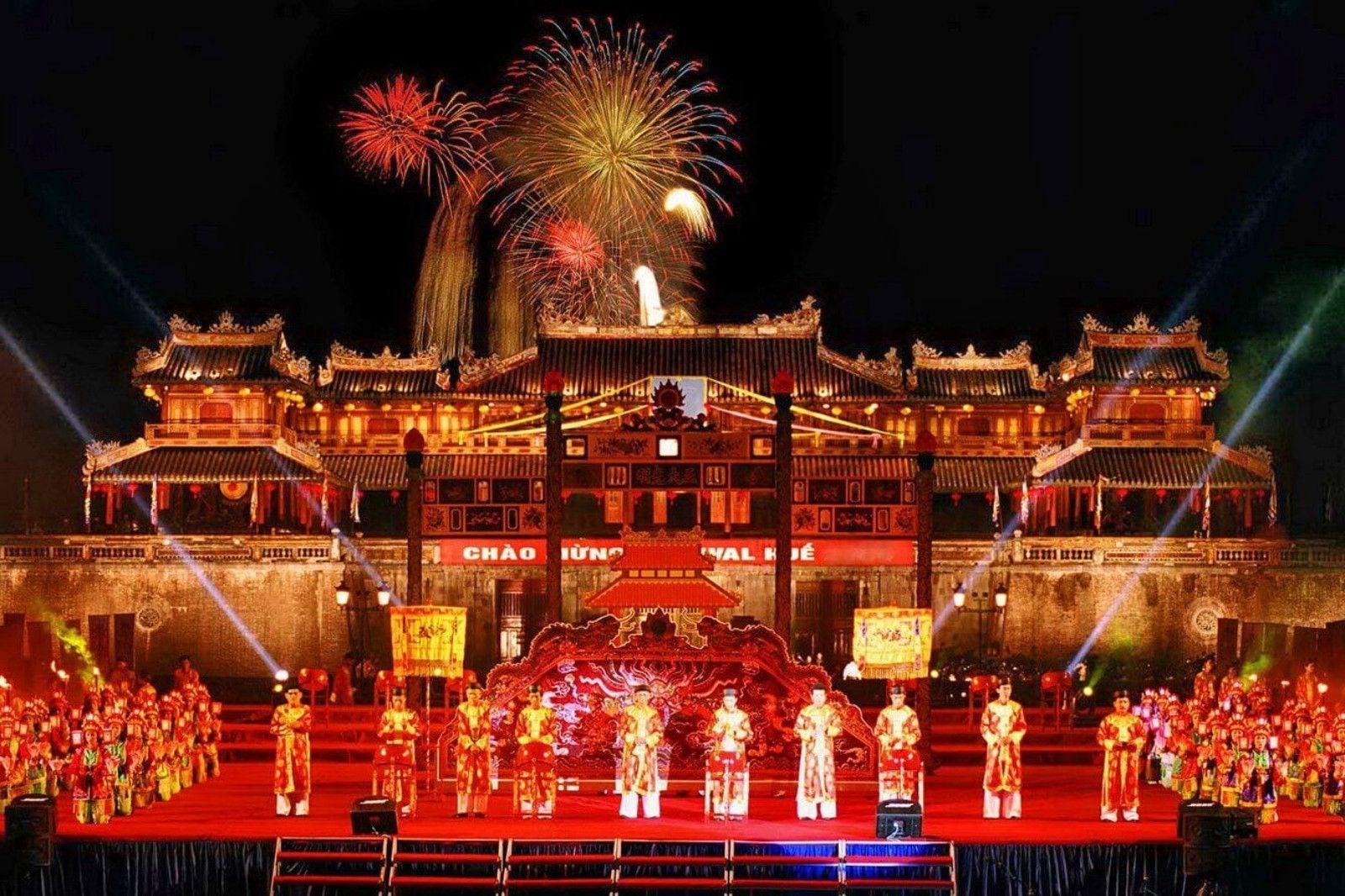
Recognized by UNESCO as an Intangible Cultural Heritage of Humanity in 2003, Hue Royal Court Music (Nhã nhạc) is one of the most unique cultural features of the Nguyen Dynasty. This genre of music was performed during royal festivals and major court ceremonies, conveying a solemn and elegant atmosphere. Nhã nhạc repertoire was composed and performed very elaborately, combining various traditional musical instruments such as the ty ba (pipa), nhị (two-stringed fiddle), bamboo flute, drums...

Hue Royal Court Music - Echoes from Ancient Times
Photo: Hue Royal Court Music - Echoes from Ancient Times

Today, royal court music is still preserved and performed at the Duyet Thi Duong Royal Theater inside the Imperial City, offering visitors an opportunity to experience a piece of ancient royal ambiance. It is a wonderful way to feel the cultural depth of a dynasty that once flourished on this land.

3. Imperial and folk cuisine

Hue is not only famous for its elaborate and refined royal court cuisine but also attracts visitors with flavorful local folk dishes.

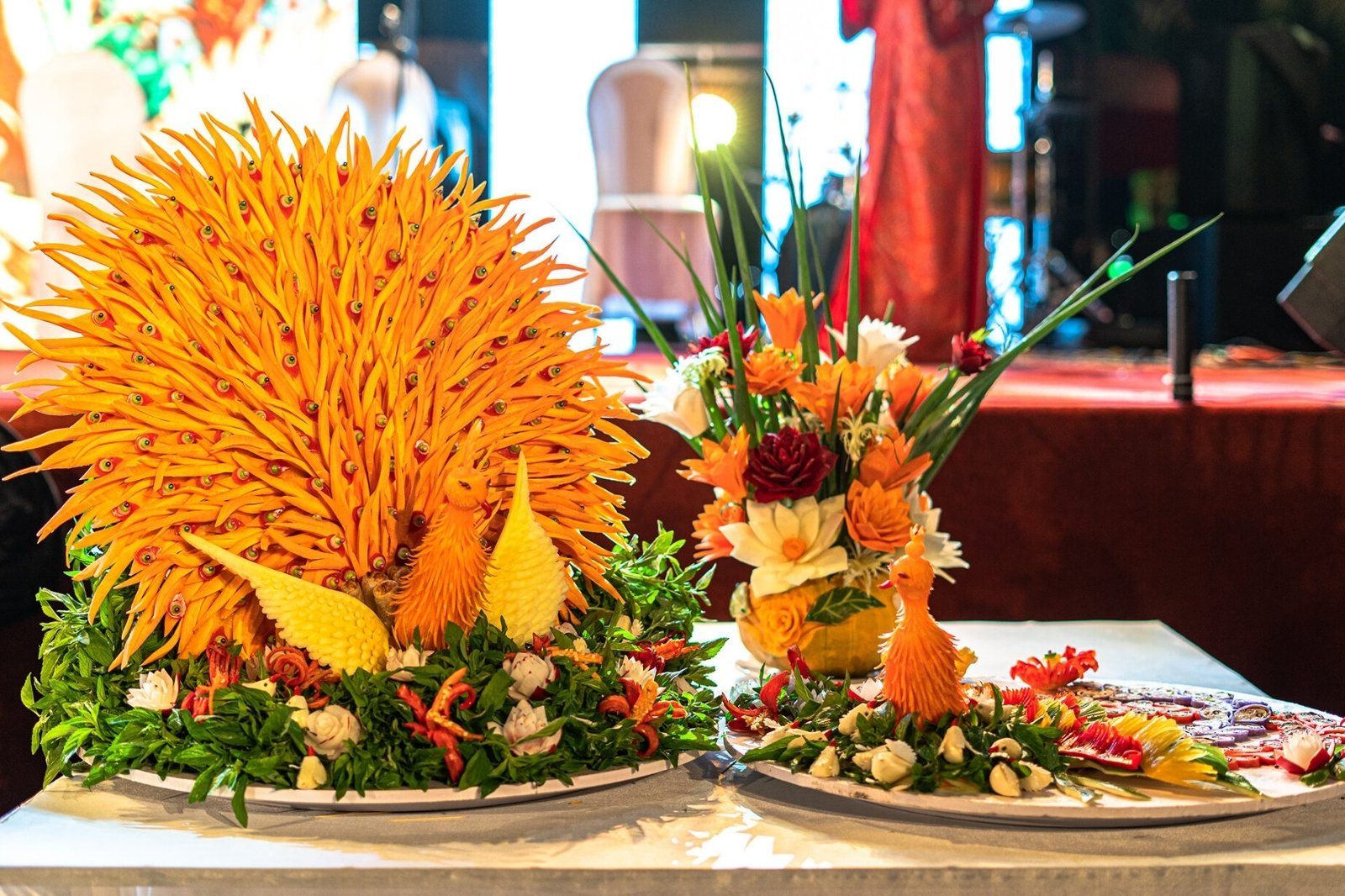
  • Royal Court Cuisine: Each dish is meticulously prepared and presented, demonstrating the luxury and nobility of royalty. Dishes like peacock spring rolls, phoenix sausage, or longan lotus seed sweet soup have become legendary.
  • Folk Cuisine: Dishes such as Bun Bo Hue (Hue beef noodle soup), clam rice, banh beo (steamed rice cakes), and banh bot loc (tapioca dumplings) have conquered countless international travelers with their unique flavors and delicate presentation.
Essence of Hue Royal Cuisine
Photo: Essence of Hue Royal Cuisine

Hue cuisine is a perfect harmony between royal court culture and rustic daily life, creating a distinctive feature found nowhere else.

4. Nguyen Dynasty heritage

In addition to the tangible and intangible heritage mentioned above, the Nguyen Dynasty also left behind a vast body of heritage recognized by UNESCO:

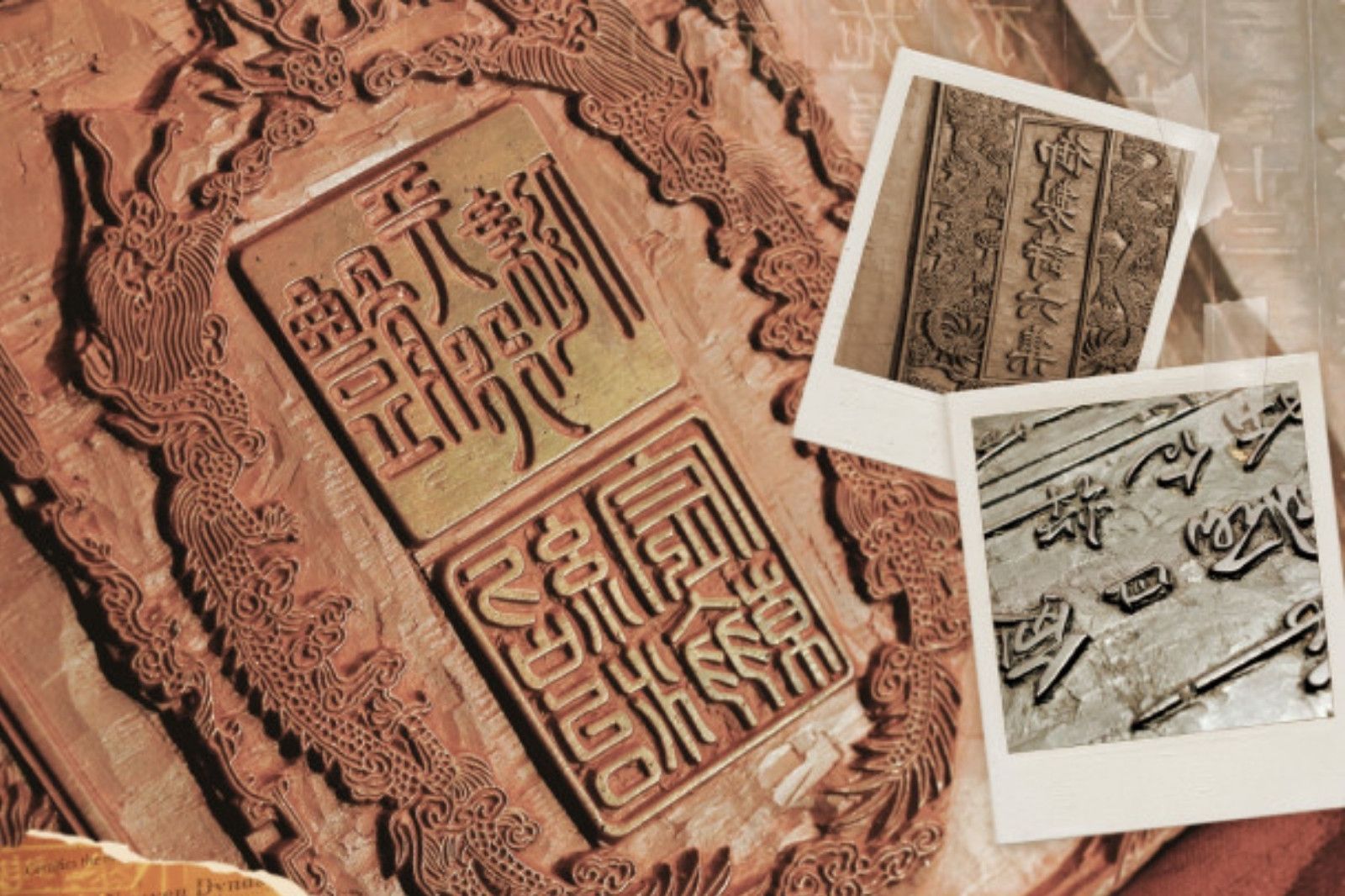
  • Woodblocks of the Nguyen Dynasty (2009): A collection of woodblocks used for printing books and documents, reflecting the history, culture, and society of the Nguyen Dynasty.
  • Imperial Records of the Nguyen Dynasty (2014): Administrative documents of the royal court, providing valuable sources of information on policies and historical events of that era.
  • Poetry on Hue Royal Architecture (2016): Thousands of poems, parallel sentences, and prose carved or inlaid with ceramics on architectural structures, showcasing the literary mastery of the emperors and mandarins.

These heritage items are not only invaluable assets of the Vietnamese people but also part of humanity's heritage. The blend of tradition and modernity in Hue creates a unique destination that leaves an unforgettable impression on visitors. With its timeless values, Hue is gradually affirming its position on the international tourism map, becoming a unique cultural symbol of Vietnam.

Woodblocks of the Nguyen Dynasty
Photo: Woodblocks of the Nguyen Dynasty

Looking back, Hue royal court culture is not confined to rituals, palaces, or performing arts, but is also a vital part of the soul of the Vietnamese nation, where the past remains alive in every breath of the present. Preserving and promoting the heritage values of the Nguyen Dynasty is not only the responsibility of the people of Hue, but a shared duty and pride of the entire nation. Every traveler visiting Hue—whether standing before Ngo Mon Gate just once, hearing the sound of the royal drum beat, or enjoying the melodies of Royal Court Music—contributes to continuing a cultural story spanning over two centuries. For heritage truly lives only when it is loved, understood, and preserved with the heart.

Loading......

Featured destinations