Top 10 Famous Tourist Spots in Hoi An You Must Check-In

Central

Da Nang

Hoi An

Sovaba.travel

Updated at: 24/09/2026

1. Phố Cổ Hội An

Hoi An Ancient Town is the heart of the city, an area perfectly preserved from the 15th century when it served as a bustling trading port. With its wooden-framed houses, vibrant yellow walls, and thousands of colorful lanterns, this place bears the mark of cultural exchange. At night, the ancient town becomes magical with shimmering lights, making it ideal for taking stunning photos.

This area was once a center for silk and spice trade with merchants from Japan and China. Visitors can stroll down streets like Tran Phu and Nguyen Thai Hoc, visit old houses and assembly halls, and participate in the monthly lantern festival (on the 14th day of the lunar month). Entrance fee: 80,000 VND for Vietnamese visitors (includes 5 sightseeing spots).

Note: Visit early in the morning to avoid crowds and enjoy the soft lighting. Rent a bicycle for easier exploration. If visiting during the rainy season (October to January), bring a raincoat as the streets can flood.
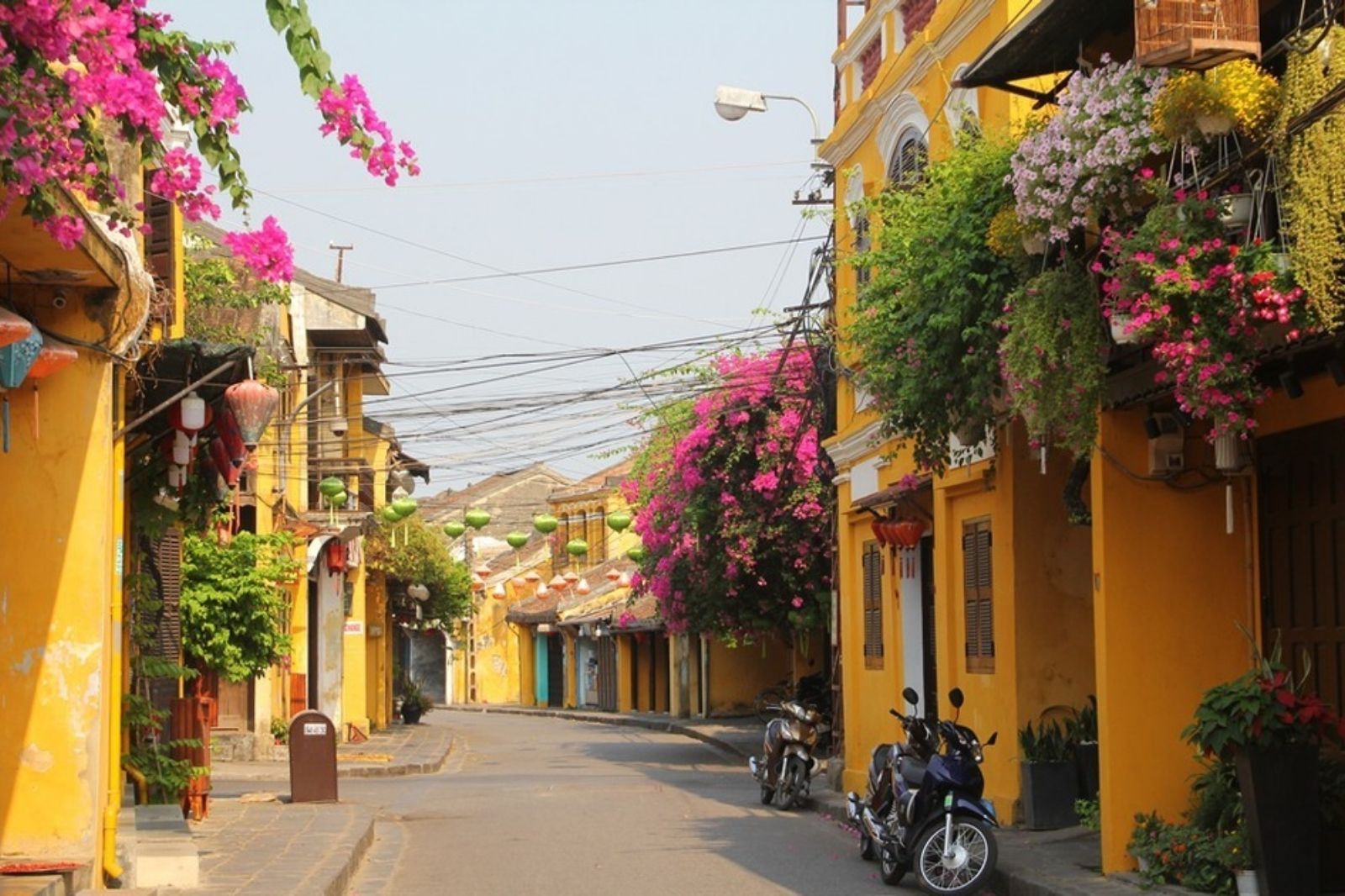
Hoi An Ancient Town
Photo: Hoi An Ancient Town  

2. Chùa Cầu

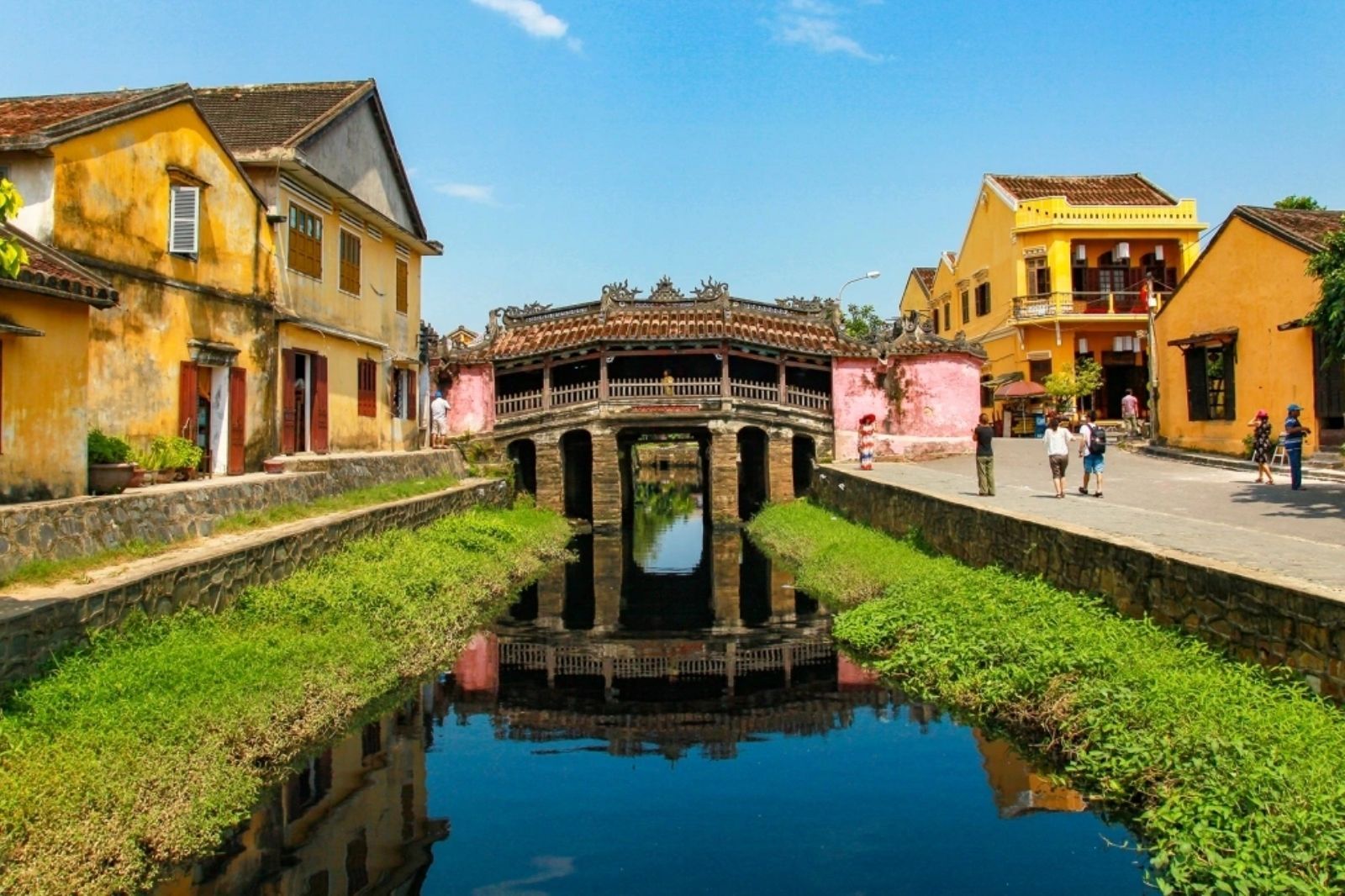
Japanese Covered Bridge (also known as Lai Vien Kieu) is the most famous and recognizable landmark in Hoi An. The bridge was built around the 18th century by the Japanese community living and trading here, with the purpose of connecting two neighborhoods. The bridge features a curved roof and harmonious architecture, decorated with familiar carvings such as dragons and dogs, creating a very distinct characteristic. In the middle of the bridge is a small temple where locals worship the Northern Deity Tran Vu to pray for peace. Beyond its historical significance, the Japanese Covered Bridge is a symbol of cultural exchange among the communities that once lived in Hoi An. The image of this bridge once appeared on the 20,000 VND banknote, demonstrating its special value in Vietnamese cultural life. Visitors can walk across the bridge for free, while the temple area requires a Hoi An Ancient Town sightseeing ticket. This is also one of the most beloved check-in spots, especially when photographed from the Hoai River side.

Note: Take photos at sunset for beautiful lighting. Avoid peak hours (10:00 AM - 3:00 PM) as it gets crowded. The bridge was restored in 2024, so the structure is very solid.

Hoi An Japanese Covered Bridge
Photo: Japanese Covered Bridge 

3. Hội Quán Phúc Kiến

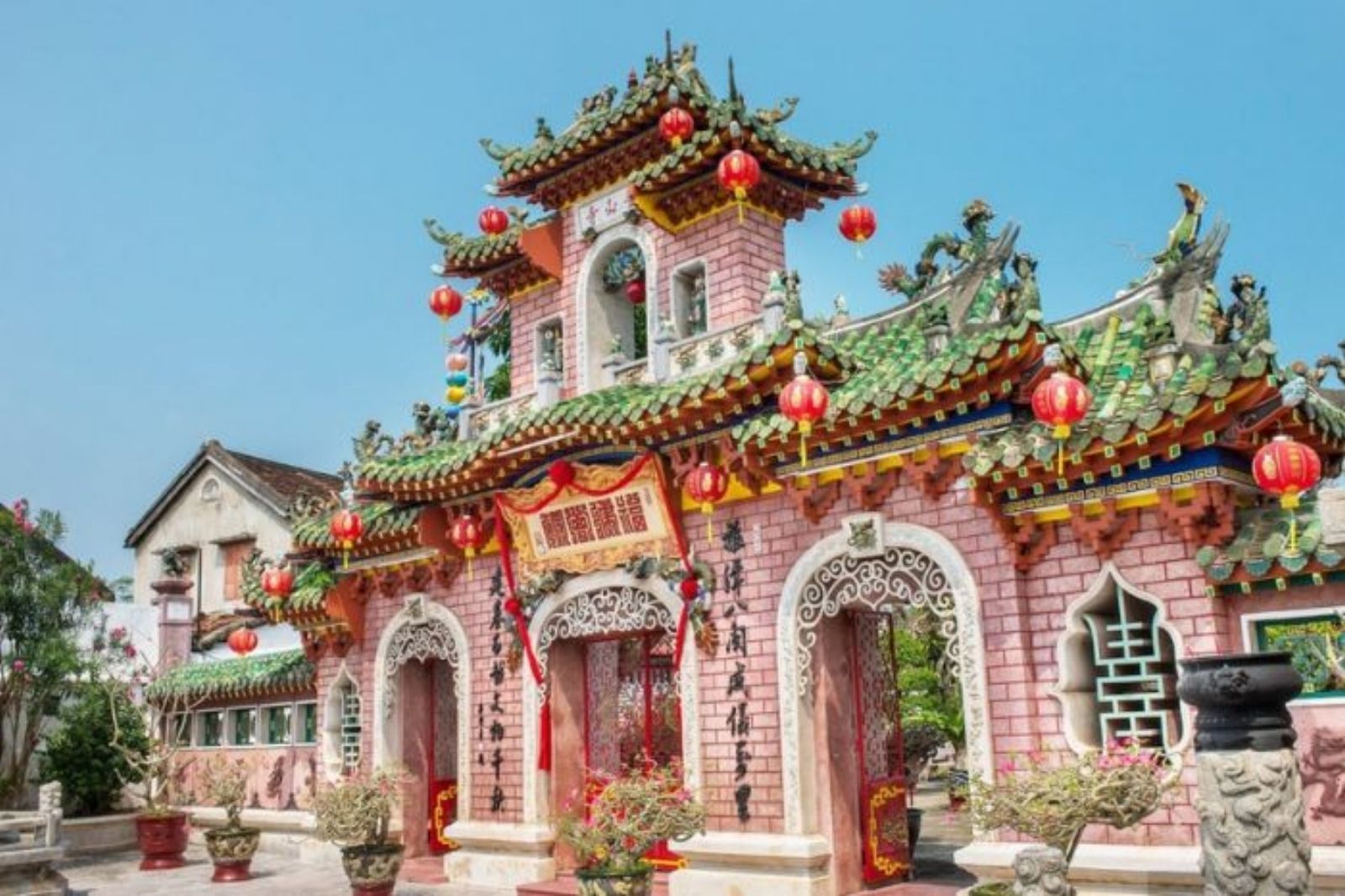
Fujian Assembly Hall is one of the most prominent and largest architectural works of the Chinese community in Hoi An. The structure was built in the late 17th century by merchants from Fujian (China) to serve as a communal gathering place and to worship Thien Hau Thanh Mau (A-Ma) – the goddess believed to protect sailors and those doing business far from home. The most striking feature of the assembly hall is its large triple-gate entrance, leading into a courtyard decorated with dragon and phoenix motifs symbolizing luck and prosperity. Inside, the space is dominated by red tones, combined with intricate carvings, bas-reliefs, and solemnly arranged altars, creating a sacred yet ancient atmosphere.

Note: This is a suitable location to learn about the history of the overseas Chinese community and their role in the formation of the Hoi An trading port.  

Fujian Assembly Hall
Photo: Fujian Assembly Hall  

4. Nhà cổ Tấn Ký

Tan Ky Old House is one of the most nearly intact preserved ancient houses in the Hoi An ancient town. Built more than 200 years ago, it belonged to the Le family and once served as a combination of family living quarters and bustling trading activities when Hoi An was a major port. The house is situated in a convenient location, facing the street on one side and the river on the other, clearly reflecting the lifestyle and business mindset of ancient town residents.

In terms of architecture, Tan Ky Old House is a harmonious blend of Vietnamese, Chinese, and Japanese styles, showcased through its wooden structure, spatial layout, and delicate decorative details. The entire house frame is made of precious timber, elaborately carved with various auspicious patterns. Despite standing right by the river, the house was cleverly designed to resist moisture and floods, demonstrating the long-standing living experience of the people of Hoi An.

5. Chùa Bà Mụ

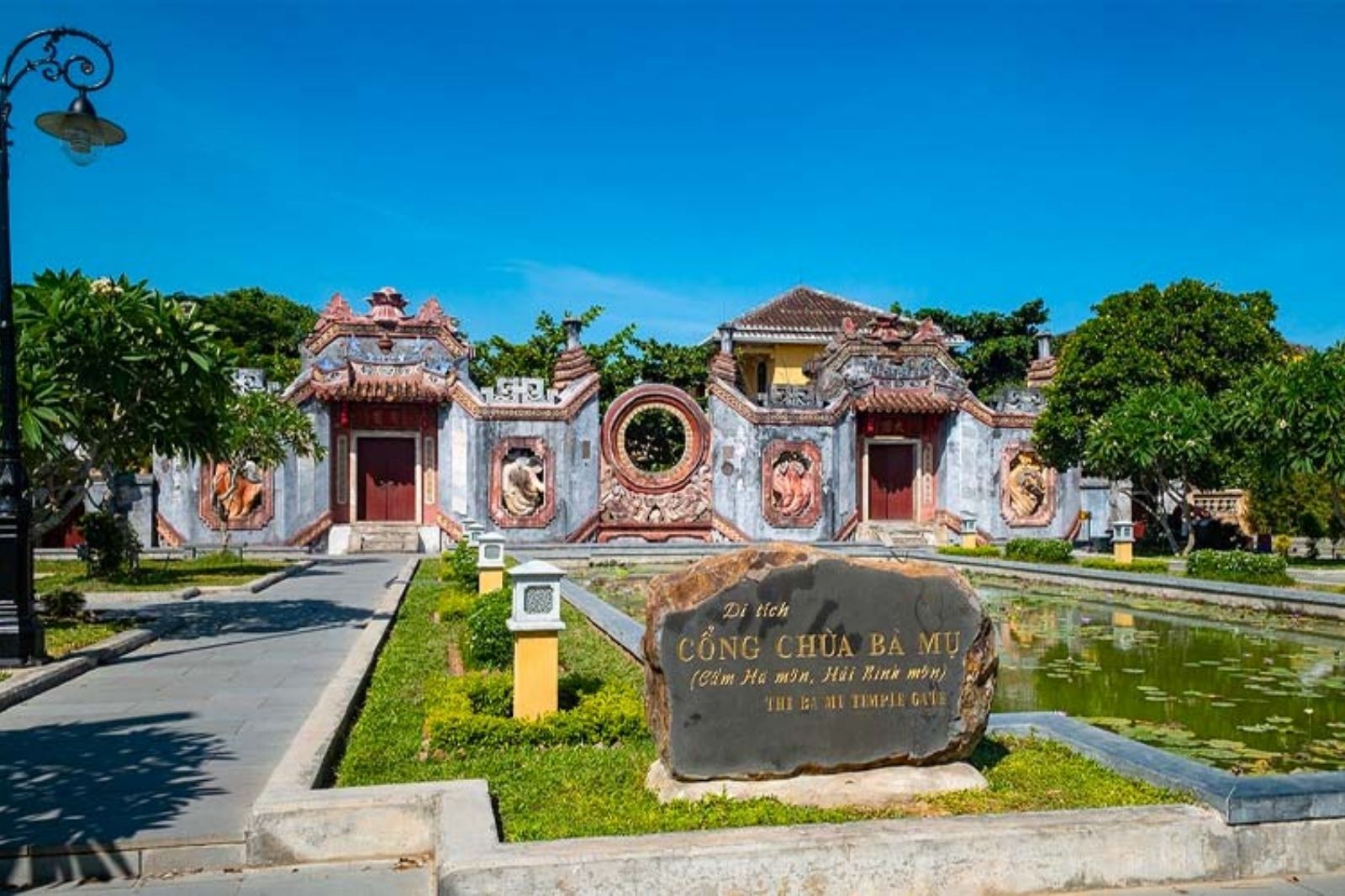
Ba Mu Temple (Tam Vi Thanh Mau Temple) is a destination attracting many travelers when visiting Hoi An in recent years. The structure has been recently restored and reconstructed, making a strong impression with its unique round gate, open layout, and meticulously finished decorative details. Thanks to its airy space and iconic design, Ba Mu Temple has quickly become a favorite photography spot for young travelers.

Spiritually, the temple worships three Mother Goddesses, associated with beliefs of praying for peace, fertility, and family happiness. Although not too large, Ba Mu Temple offers a solemn yet gentle ambiance, perfect for stopping by to sightsee, take photos, and learn about local spiritual culture. Currently, this attraction is open for free, and no Ancient Town ticket is required.

Ba Mu Temple
Photo: Ba Mu Temple 

6. Hội Quán Quảng Đông

Cantonese Assembly Hall is a representative architectural work of the Cantonese-Chinese community in Hoi An, built in the late 19th century. It served as both a spiritual space and a community gathering point for Chinese merchants who used to trade in the ancient port of Hoi An. The structure impresses visitors with its wide facade, entrance gate decorated with numerous reliefs, and carvings bearing strong Chinese cultural imprints.

Inside the assembly hall is an open courtyard with miniature landscapes, incense burners, and traditional decorations featuring dragons, unicorns, and patterns. The main altar is dedicated to Guan Yu (Quan Cong) – a symbol of loyalty, righteousness, and business protection. In the past, the assembly hall was where the Cantonese gathered, resolved common affairs, and organized rituals. Today, it is a cultural and architectural attraction visited by many tourists exploring the ancient town. Admission is included in the Hoi An Ancient Town sightseeing ticket.

7. Chợ Hội An

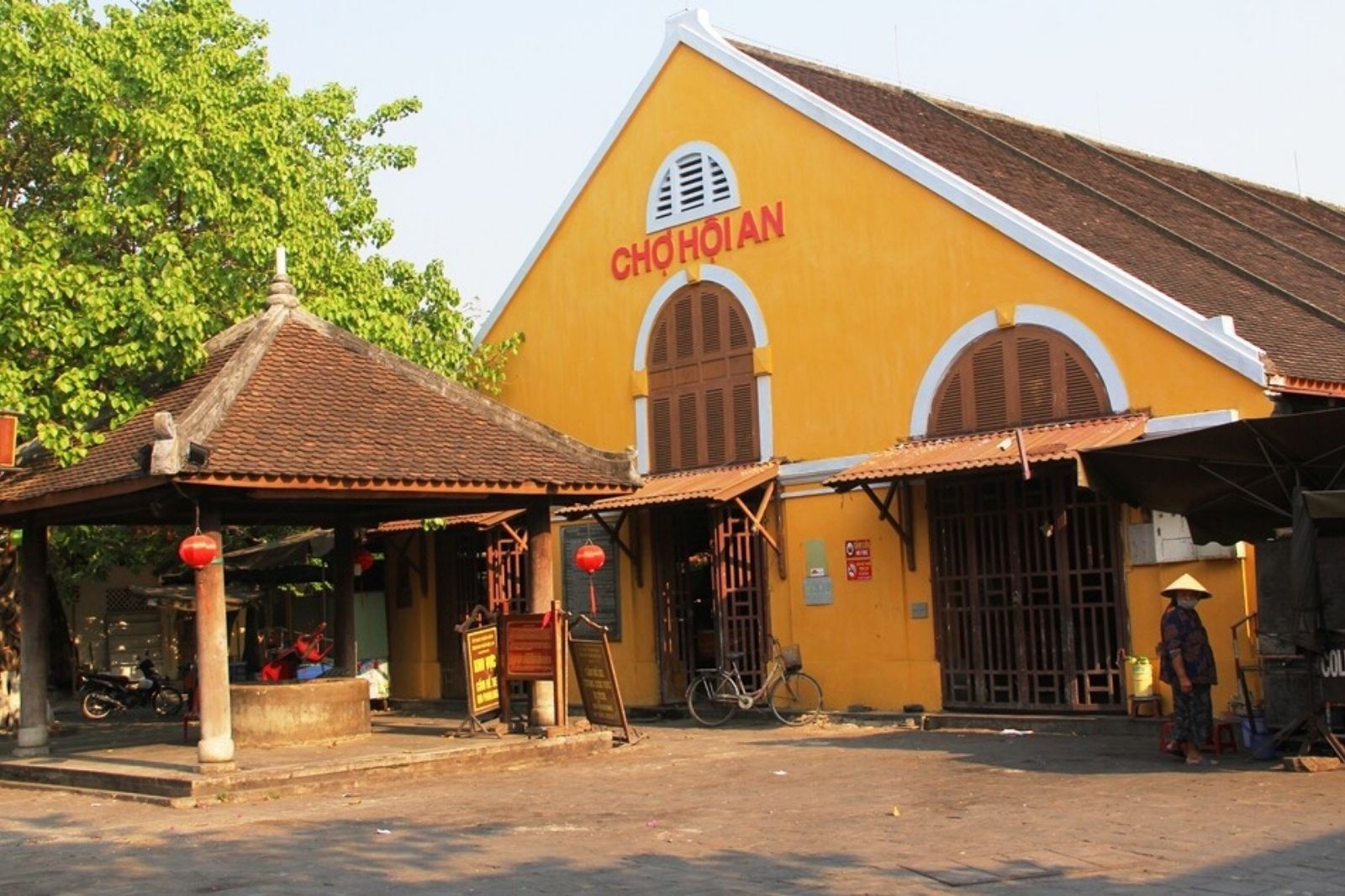
Hoi An Market is one of the most vibrant and intimate living spaces in the ancient town, clearly reflecting the daily life of locals. Located near the banks of the Hoai River, the market has existed for centuries, closely tied to the exchange of goods when Hoi An was a major trading port. The market space is not overly modern, but it is always bustling, colorful, and deeply imbued with local breath.

Inside the market, visitors can easily find fresh food stalls, spices, local specialties, and a food court. This is an ideal place to enjoy familiar Hoi An dishes such as cao lau, mi Quang, banh beo, banh dap, or buy local gifts and dried goods as souvenirs. The market has no entrance fee; visitors can freely wander around, observe, and experience the distinct trading atmosphere of the ancient town.

Hoi An Market
Photo: Hoi An Market 

8. Nhà cổ Phùng Hưng

Phung Hung Old House is one of the most typical and large-scale ancient houses in Hoi An Ancient Town, built in the late 18th century. The house once belonged to a wealthy merchant family specializing in trading agricultural products, cinnamon, and handicrafts. Located near the Japanese Covered Bridge, Phung Hung Old House was both convenient for past commerce and played an important role in the ancient town's architectural landscape. In terms of design, the house carries an architectural style combining Vietnamese, Chinese, and Japanese elements, clearly demonstrated through its wooden structure, wide balconies, and sturdy pillar system. The entire house is built from precious timber, featuring two airy floors that help combat heat and adapt to the central climate. Although it has passed through many generations, Phung Hung Old House still retains its traditional shape and living space.

Currently, Phung Hung Old House welcomes visitors as a living heritage site, preserving many household items and ancient ancestral altars of the family. Visitors can tour the house, listen to introductions about its history, and observe the spatial arrangement of ancient Hoi An merchants' residences. Admission is included in the Hoi An Ancient Town ticket.

9. Làng gốm Thanh Hà

Thanh Ha Pottery Village is located on the banks of the Thu Bon River, about 3km from the center of Hoi An Ancient Town, and is one of Quang Nam's long-standing traditional craft villages. Pottery making here dates back to the 16th century, closely associated with the daily life and construction of ancient Hoi An residents. The village atmosphere is rustic and peaceful, contrasting sharply with the bustling ancient town.

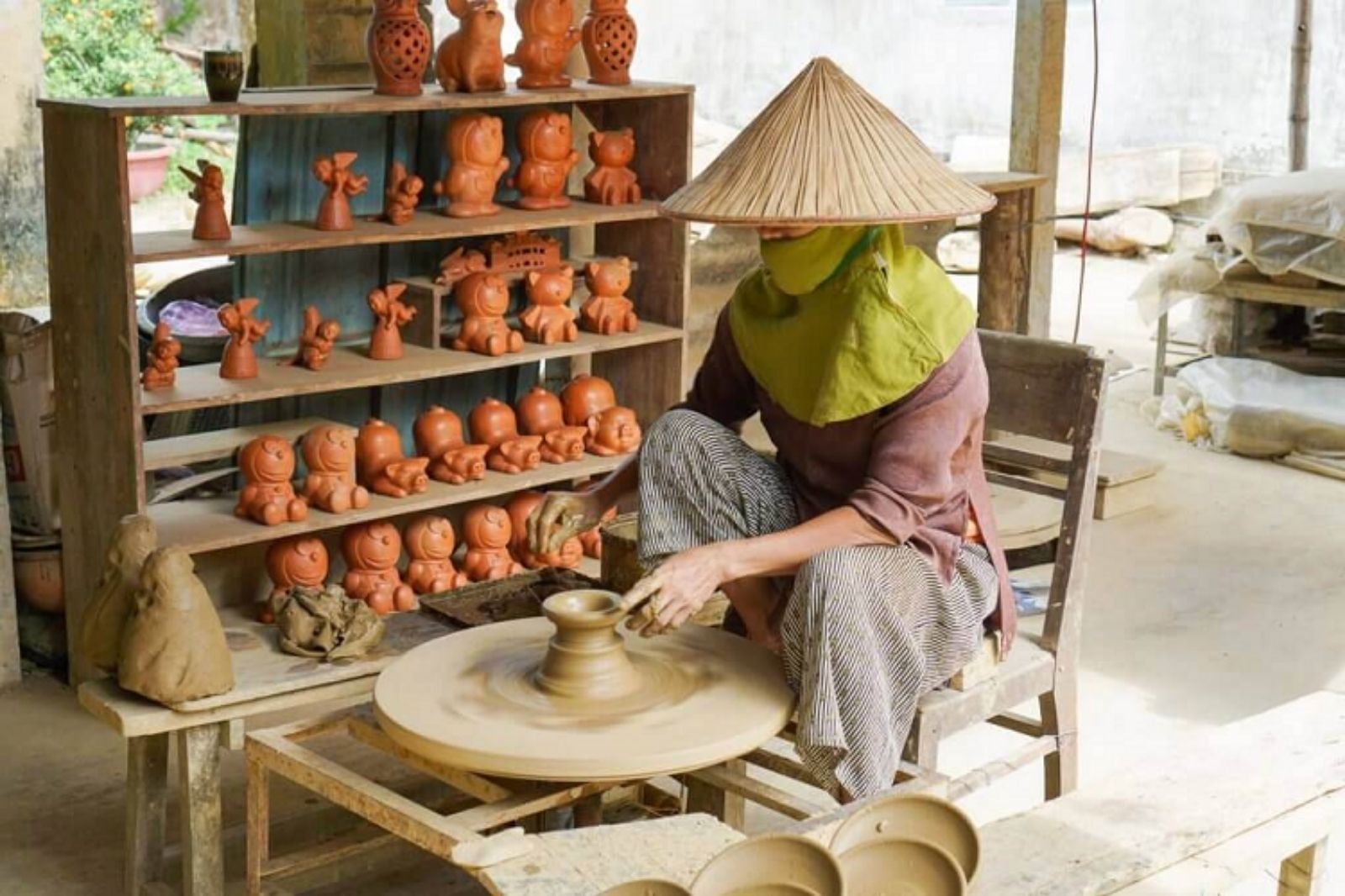
Thanh Ha pottery products stand out with their natural terracotta colors, simple designs, and completely handmade craftsmanship. Visitors to the village can watch artisans shape pottery, try making pottery with their own hands, or visit the Thanh Ha Terracotta Park with its many unique miniature architectural models. This is not just a sightseeing spot but also a place that helps visitors better understand the value of traditional craft villages. Admission tickets are sold separately and are not included in the Hoi An Ancient Town ticket. 

Thanh Ha Pottery Village
Photo: Thanh Ha Pottery Village 

10. Làng mộc Kim Bồng

Kim Bong Carpentry Village is situated on the banks of the Thu Bon River in Cam Kim commune, about 2km from Hoi An Ancient Town. This is one of the famous traditional craft villages of Quang Nam, established in the 16th century and closely linked to the development of the Hoi An trading port. Kim Bong carpentry once played a vital role in boat building, constructing ancient houses, and religious structures in the region.

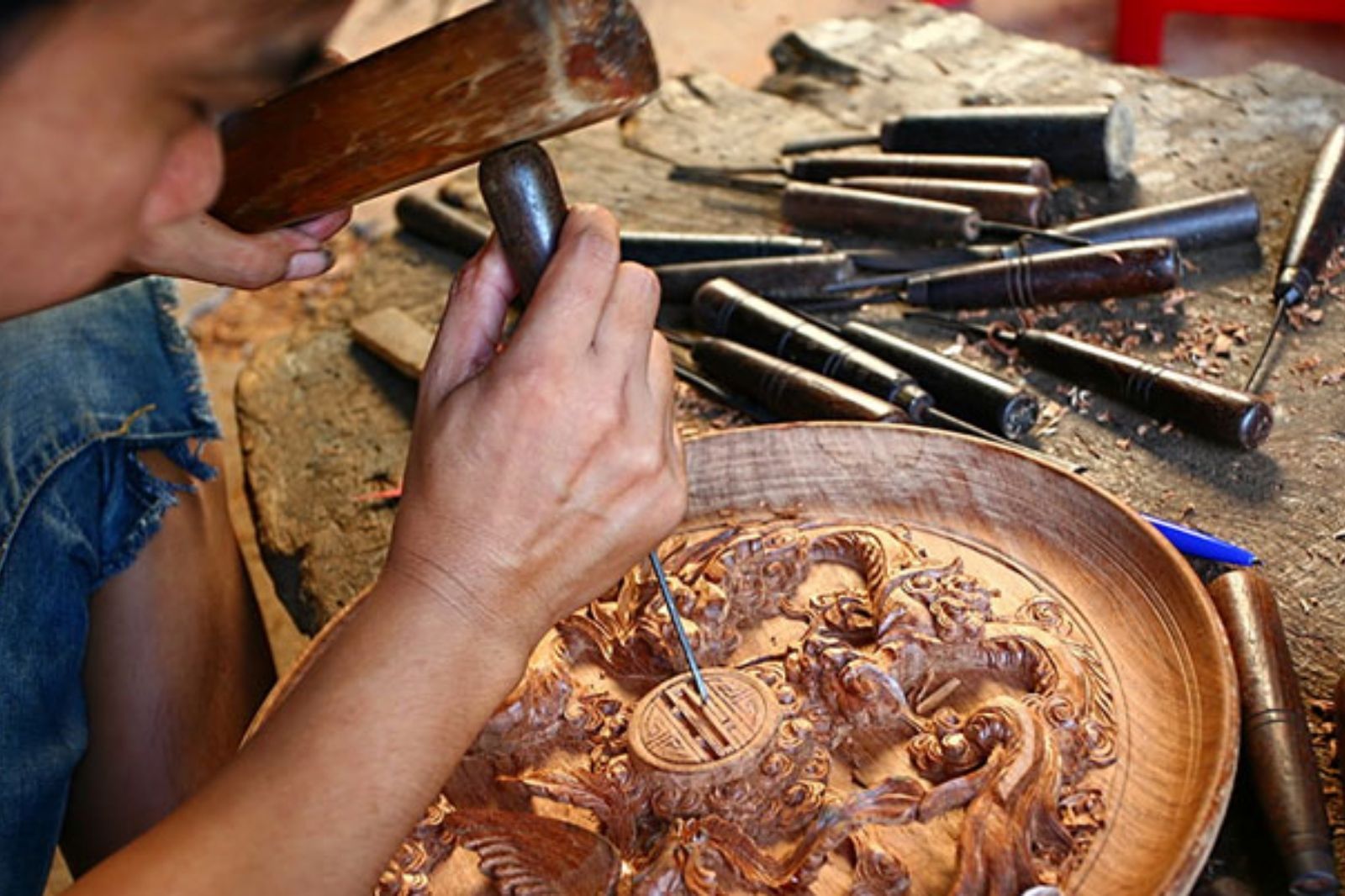
Coming to Kim Bong carpentry village, visitors can observe artisans carving and sculpting wood right in the workshops, with products featuring traditional, delicate, and sturdy patterns. The village ambiance is peaceful and rustic, perfect for those wanting to explore craft village life and long-standing manual techniques. Currently, Kim Bong carpentry village does not charge an entrance fee, and visitors can combine this experience with local cultural activities.

Kim Bong Carpentry Village
Photo: Kim Bong Carpentry Village 

Exploring the Top 10 famous tourist spots in Hoi An is not only a journey to check in at familiar landmarks, but also a way to fully experience the rhythm of life, cultural depth, and enduring beauty of a heritage city. Every destination – from the ancient town, old houses, and assembly halls to riverside craft villages – contributes to painting a picture of Hoi An that is both ancient and intimate, enough to make visitors want to return again and again. If you want to save time planning, travel conveniently, and understand the stories behind each landmark, the all-inclusive Hoi An tours with Sovaba Travel are a fitting choice. The tours are scientifically designed, combining sightseeing, experiences, and cuisine, accompanied by local tour guides, making your trip effortless yet full of depth.

Loading......

Featured destinations